

Vet’s Views
Dr Kaushlendra Kumar
The doctor has been practising in Lucknow for the past 20 years in canine and other pet animal medicine and surgery
Q: There is a major surge of ticks in our neighbourhood, and I am terrified of tick fever. What is the most effective preventative treatment to protect my young female Spitz? — Amit Sharma, Delhi
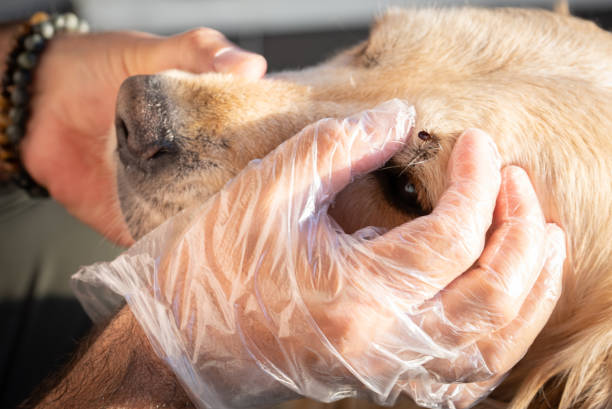
A surge in the number of ticks in this rainy season is a natural phenomenon. Moisture and humidity help ticks breed faster. A huge number of ticks will definitely do harm to your pets if timely preventive measures are not taken and, at worst, cause tick fever sequel to many pathological consequences. Anti-tick liquid baths (outdated), spot-on treatments, tablets, anti-tick collars, etc. are available to prevent tick infestations in pets for a minimum of one month to a maximum of three months. Once ticks are prevented, chances of tick fever become very low. Ticks in high numbers not only cause fever but also many medical pathologies, such as anaemia, lameness, vomiting, hair loss, jaundice and, in extreme cases, can cause death. Prevention is better than cure. Use preventive drugs that are suitable for your pet and provide a healthy diet to fight any such problems.
Q: My independent indie cat has suddenly started spraying urine outside his litter box around the house. How can I tell if this is a medical issue or just behavioural stress? — Priya Nair, Kochi
Spraying urine in a male cat is very much a normal, good and healthy reproductive sign. This is also called as marking of the area. This is absolutely a healthy sign. However, if this urine gives a strong uremic odour, is dark in colour and has increased frequency, then it can be considered a medical issue, and consultation is required. If this is occurring for a very long duration, examination of urine for microscopic study and culture may be done. Less water consumption and wet food may excite the bladder to void urine frequently. All these need to be seen before declaring a normal spraying.
Q: Because of the heavy rains and constant high humidity, my Persian cat’s long coat is staying damp, and she has developed flaky, itchy patches. How can I treat her skin without over-bathing her? — Rahul Verma, Nagpur
Rainy season/ Monsoon is always good for agriculture in many parts of the country but is extremely bad for skin and hair, leading to many dermatological conditions. Dampness of hair invites fungal and bacterial infections in general. If it is ignored for long, lead to patchy loss and bad odour of the body. This also attracts parasitic infestations. Keep combing the hair; grooming with dusting powder is also justified. Using both kinds of talc: anti-parasitic and anti-fungal. Dry skin will not invite infection. Use of wet wipes is also recommended to keep your pet cat healthy and infection-free.
Q: My 8-month-old puppy keeps eating mud and stones from the garden pots during her walks. Does this signify a nutritional deficiency, and how do I stop it? — Ananya Das, Kolkata
Puppies in the age group of 6 to 12 months are in the state of high growth period, having a maximum basal metabolic rate (BMR). High BMR leads to a faster digestion rate. This, in turn, requires lots of good-quality food having all essential minerals, vitamins and protein primarily in balanced quantities. Lack of these nutrients results in a condition called as PICA; thereby, puppies eat all kinds of inanimate things. Giving quality balanced feed will slowly and gradually solve this problem. Puppies like protein in the form of chicken, eggs and pulses. Milk protein doesn't satisfy their hunger, and therefore they always feel hungry. Commercial pet foods from good brands also have balanced nutrition. If homemade food is being given, additional top-ups with multivitamins and minerals are a big necessity to avoid pica-like conditions.
Q: I want to transition my senior dog to a homemade diet of rice, dal, and vegetables. Is a vegetarian diet safe for older dogs, or will he miss vital nutrients? — Vikram Mehta, Mumbai
The nutrition of a body is dependent on many factors such as physiological conditions- age, sex, breed, climatic conditions, and conditions other than maintenance. Unlike puppies, old dogs have fewer requirements, have less activity, and hence demand is decreased. The body's BMR also reduces, slowing down the overall digestive processes. A sluggish intestine requires more fibre-rich diets and less protein. Less activity leads to less excretion and loss. All of the above can be met either by homemade food or any commercial food. The only things to be kept in mind are his or her body's need for fibre and hygienic water.



Leave a comment