

Green Business
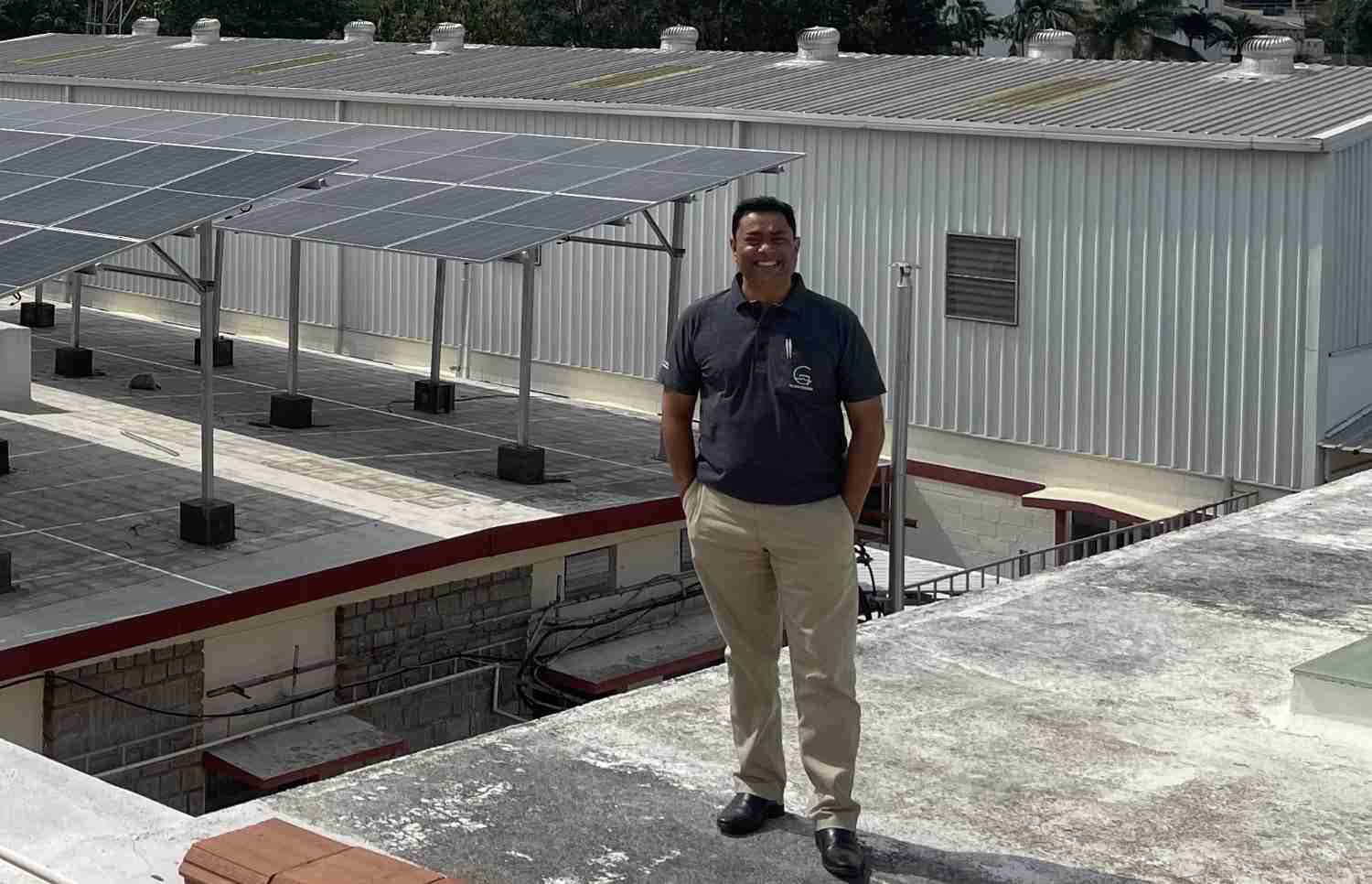
Jagan B.Gupta, Managing Director, Glowtronics, says when properly engineered, sustainability can become a source of efficiency and competitive advantage rather than a burden on profitability…
Q: What inspired you to merge the highly regulated medical device industry with a 100% eco-friendly, zero-pollution manufacturing model?
At Glowtronics, sustainability was never seen as something separate from manufacturing. It was a responsibility that came naturally from our philosophy of building a company that creates value not only for customers and employees but also for society and the environment. We operate in highly regulated industries such as medical devices, aerospace and defence, where precision, quality and traceability are non-negotiable. We asked ourselves a simple question: if we can achieve such high standards of precision in our products, why can’t we apply the same discipline to our environmental footprint? That question led us to progressively invest in renewable energy, rainwater harvesting, resource conservation and cleaner manufacturing practices. For us, being environmentally responsible is not a marketing exercise. It is about creating a manufacturing ecosystem where “Made in India” also means responsibly made in India.
Q: Switching entirely to solar energy can come with baseline power challenges. How do you ensure an uninterrupted, reliable power supply for manufacturing precise medical equipment?
Precision manufacturing requires stable and reliable power. Even a momentary interruption can affect sensitive equipment, processes and production schedules. Our approach has, therefore, been to build solar power as an integral part of our overall energy infrastructure rather than simply installing solar panels and considering the job complete. We have progressively increased our solar-generation capacity and are moving towards a plant that can operate predominantly on solar energy. At the same time, we maintain appropriate power back-up and electrical-management systems for critical manufacturing operations. The objective is simple: sustainability cannot come at the expense of quality or reliability. Our machines, clean-room operations, inspection systems and other critical processes must continue to operate within their required parameters. Therefore, energy security and renewable energy have to be designed together.
Q: Water purity is critical in medical manufacturing. How does your team treat and harvest rainwater to meet strict medical-grade cleanliness standards?
Water management is an important part of our sustainability programme. We have developed rainwater-harvesting systems within our campus, including collection and storage infrastructure. The rainwater is treated according to the intended application, with appropriate filtration and purification processes before it is used. Our philosophy is to conserve water wherever possible. We see our campus not merely as a factory, but as an ecosystem where water is captured, conserved and managed scientifically. Achieving zero effluents and zero pollution is incredibly rare in industrial manufacturing.
Q: What unique waste-management or recycling systems did you have to design to make this possible?
The first principle we adopted was “reduce before you recycle.” Instead of looking at waste only after it is generated, we examine our manufacturing processes to identify where consumption, scrap and waste can be reduced at source. Where waste is generated, we segregate materials and identify opportunities for recovery, reuse or recycling. Different materials and process wastes require different treatment and we work with appropriate authorised channels wherever external processing or disposal is required. Our objective has been to minimise hazardous and non-hazardous waste, prevent uncontrolled discharge and continuously improve our resource efficiency. We come under the Green category in pollution control. The biggest system we have built is, therefore, not only a machine - it is a culture of responsibility across the organisation.
Q: Many business owners worry that green infrastructure drastically hurts the bottom line. How has this sustainable setup impacted your production costs and long-term profitability?
There is certainly an initial capital investment involved in becoming more sustainable. Solar infrastructure, water-harvesting systems, energy-efficient equipment and waste-management systems all require investment. However, we view sustainability as a long-term business investment rather than an additional operating expense. Renewable energy reduces our dependence on conventional electricity over the long term. Efficient use of water and materials reduces resource consumption. Better process control improves manufacturing efficiency. There are also less visible benefits: greater energy independence, reduced exposure to rising energy costs, improved employee pride, stronger customer confidence and a more resilient business model. For a manufacturing company with a long-term outlook, profitability should not be measured only by what happens this financial year. We need to ask: what kind of company are we building for the next 20 or 30 years? Sustainability, when properly engineered, can become a source of efficiency and competitive advantage rather than a burden on profitability.
Q: What advice do you have for other traditional manufacturers who think that going completely green is impossible in their sector?
I would tell them: don’t try to become green overnight - start becoming greener today and take small steps to achieve it. Every manufacturing company has a different process, energy requirement and environmental footprint. There is no single solution that works for everyone. Start by measuring where your energy, water and materials are being consumed. Invest in renewable energy where it makes economic and technical sense. Harvest rainwater. Improve segregation. Train employees. Most importantly, sustainability should be treated as an engineering and business challenge, not just an environmental initiative. At Glowtronics, we believe manufacturing and environmental responsibility do not have to be opposing ideas. India can build world-class precision manufacturing while simultaneously building cleaner, more responsible factories. Our journey is continuing. We don’t claim that the journey ends with achieving a particular percentage of solar power or a particular waste-reduction number. The goal is continuous improvement. We want Glowtronics to demonstrate that a manufacturing company can be precise in its products, responsible in its processes and conscious of its impact on the planet. That, to us, is the future of Indian manufacturing.



Leave a comment