

TreeTake Network
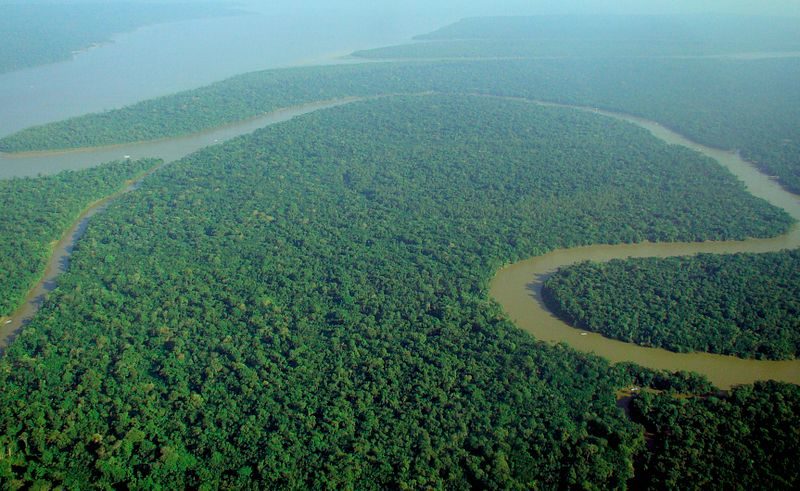
Accelerating climate anomalies and sustained regional drying patterns have triggered an unprecedented environmental emergency across the South American river basin. On 7 October 2026, the Brazilian Geological Survey issued an urgent hydrological bulletin confirming that the Rio Negro had officially dropped to its lowest depth since systematic measurement records began over a century ago. The catastrophic receding of the primary Amazonian tributary has completely isolated remote municipal sectors, halted commercial navigation corridors, and triggered widespread mortality indices among vulnerable aquatic species.
Critical subsidence and transport disruption metrics
The latest telemetry data recorded at major port facilities reveals a dramatic collapse of baseline water levels across the entire northern hydrographic network. Official measurements compiled on 7 October 2026 show that the river depth at the Port of Manaus reached a record low of exactly 12.11 metres, bypassing the previous absolute historic threshold recorded during the extreme dry spell of the preceding year. Hydrological engineers tracking the crisis explained that the sustained lack of precipitation across the headwaters in Colombia and Peru has prevented the seasonal replenishment of the main stem. The rapid drying has stranded hundreds of cargo vessels and forced regional administrators to ration municipal water usage due to intense mud accumulation near extraction pipes.
Ecosystem degradation and community isolation frameworks
The severity of the prolonged drought introduces immediate hazards for both human populations and the surrounding biological canopy. Over one hundred thousand individuals residing in riverbank settlements have been left entirely without access to traditional transport networks, requiring emergency airlifts to distribute essential medical provisions and food supplies. Civil protection units noted that the combination of shallow water and elevated surface temperatures has caused localised dissolved oxygen levels to drop precipitously. They argued that the resulting environmental stress threatens to replicate previous mass die-offs of pink river dolphins and migratory fish populations if regional temperatures continue to exceed historical seasonal averages.
Editor's Note: The historic depletion of the Amazon River basin serves as a stark warning regarding the accelerating destabilisation of the planet's primary tropical hydrological regulator. Moving forward, transnational environmental bodies must transition from reactive emergency aid to permanent, climate-resilient water infrastructure planning across the continent. The brief analysis suggests that as deforestation actively compromises the moisture-recycling capacity of the forest canopy, these extreme dry spells will become increasingly permanent, requiring fundamental changes to regional trade routes and conservation frameworks.



Leave a comment