

TreeTake Network
Subterranean carbon containment systems across northern upland ecosystems face critical degradation following widespread structural alterations to natural saturation networks. On 7 October 2026, the Department for Environment, Food and Rural Affairs released its comprehensive national performance index, confirming that widespread historic drainage networks continue to undermine peatland restoration targets. The updated field audits indicate that dry and altered landscapes across England's primary moors are aggressively releasing greenhouse gases, converting vital terrestrial carbon stores into active atmospheric threats.
Drainage impacts and carbon degradation metrics
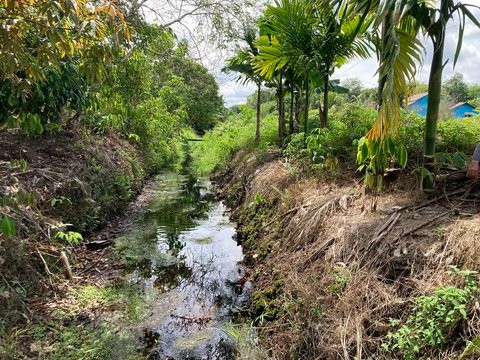
The latest spatial evaluation targets the widespread degradation of peat-forming bogs that historically served as massive terrestrial carbon reservoirs. Audit records indicate that approximately eighty per cent of the national peatland extent remains in a modified or dry state, contributing roughly two per cent of the country's total greenhouse gas emissions inventory. Environmental researchers analysing the field assessments confirmed that localised artificial drainage systems have caused soil oxidation rates to escalate, triggering a twelve per cent spike in localised carbon release across northern moors. The data manual highlights that deep subterranean moisture levels must be artificially managed and stabilised to prevent microscopic organisms from rapidly decomposing historical organic matter.
Restoration capacity and workforce shortages
The statutory review emphasises that current environmental funding initiatives face immense structural backlogs due to critical execution deficits within rural operational sectors. While the multi-million-pound Nature for Climate Peatland Grant Scheme has successfully financed targeted restoration projects across twenty-three thousand hectares, the department failed to hit its headline target of thirty-five thousand hectares for the five-year performance block ending in 2025. National tracking reports indicate that the restoration shortfall stemmed from a lack of technical capacity, delayed administrative guidance, and a shortage of professional contractors skilled in block-ditching techniques. To address these operational constraints, environmental policy managers have initiated a dedicated capacity grant scheme running through 2030 to train specialised rural workforces and deploy optimised hydrologic infrastructure.
Editor's Note: The failure to hit baseline peatland restoration targets reveals a profound disconnect between ambitious national net-zero pledges and actual field delivery capacity. Moving forward, environmental ministries must treat bog rewetting not as a seasonal volunteer activity, but as a critical public utility requiring an institutionalised civil engineering response. The brief analysis suggests that until the state transitions from sporadic funding grants to permanent workforce stabilisation, the ongoing structural degradation of upland carbon sinks will continue to compromise international climate compliance commitments.



Leave a comment