

TreeTake Network
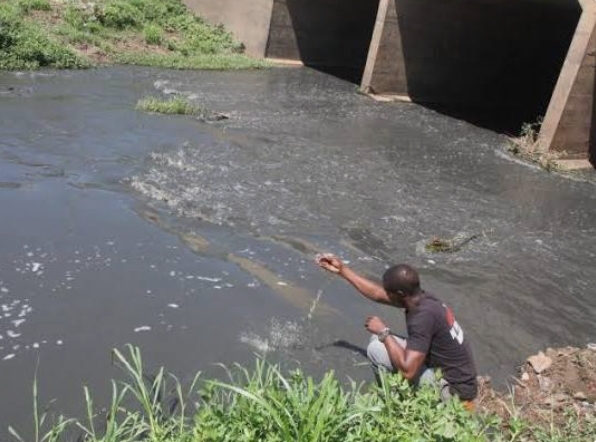
Industrial processing frameworks across the East African lake basin face immediate structural halts following rigorous environmental enforcement actions. On 7 October 2026, the National Environment Management Authority officially ordered the immediate closure of primary discharge lines for major multinational processing facilities operating within Kisumu County. The regulatory intervention targets persistent violations where factories channelled untreated chemical effluents and toxic organic manufacturing byproducts directly into the freshwater basin, severely compromising regional aquatic biology and municipal water supplies.
Statutory violations and environmental impact metrics
The enforcement action follows a comprehensive multi-agency water safety assessment conducted across major industrial zoning corridors. Investigators confirmed that biochemical oxygen demand levels adjacent to the facility discharge points exceeded statutory safety boundaries by over four hundred per cent, indicating intense organic pollution that strips dissolved oxygen from the water column. Expressing the gravity of the ecosystem damage, National Environment Management Authority Director General Mamo Mamo stated that the authority will not hesitate to close down facilities that continually look at profitability while destroying our water resources. He added that environmental compliance is a non-negotiable prerequisite for corporate operations within the country.
Corporate accountabilities and structural restoration limits
The immediate shutdowns introduce severe disruptions for local manufacturing frameworks, forcing processing conglomerates to completely redesign their waste management infrastructure before seeking operational renewals. Local compliance units have mandated that the affected companies must deploy modernised effluent treatment plants that achieve total biological neutralisation before any industrial runoff enters public waterways. Regional water safety coordinators emphasised that companies can no longer rely on superficial internal audits to bypass statutory environmental protections. They argued that the era of treating public water systems as a free sink for industrial waste has ended, forcing corporations to align with a new standard of strict ecological accountability.
Editor's Note: The closure of the Lake Victoria processing lines reflects a critical shift from voluntary environmental compliance to binding statutory enforcement across regional industrial hubs. Moving forward, regulatory bodies must maintain rigorous, independent water quality telemetry networks to prevent covert midnight dumping practices. The brief analysis suggests that while immediate closures protect vulnerable aquatic habitats from acute toxicity spikes, long-term ecosystem restoration relies entirely on implementing permanent criminal liabilities for industrial polluters rather than simple administrative suspensions.



Leave a comment