

TreeTake Network
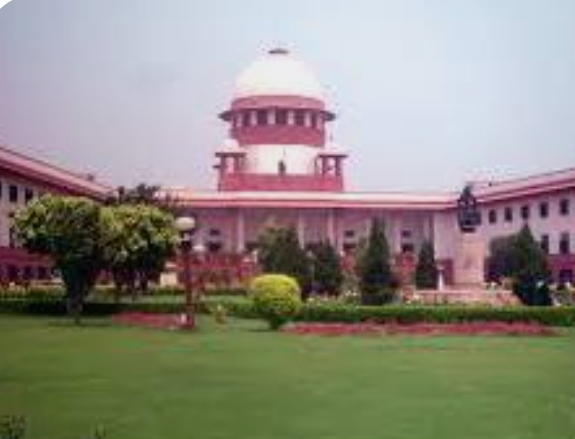
Legal frameworks addressing seasonal air quality crises have intensified following a decisive intervention from the highest level of the judiciary. On 7 October 2026, the Supreme Court of India directed the Delhi Police and municipal authorities to immediately institute a specialised enforcement cell to ensure absolute compliance with the regional ban on the manufacture, storage, and sale of firecrackers. The landmark mandate establishes a direct legal obligation on law enforcement to implement pre-emptive measures ahead of impending festive periods to protect the vulnerable airshed of the National Capital Region.
Statutory directives and enforcement metrics
The judicial intervention targets systemic compliance loopholes that traditionally undermine regional air quality management policies during the autumn transition. Under the newly issued mandates, local police stations face direct institutional accountability if unauthorised combustion materials enter their geographic jurisdictions. Conceding that past interventions had failed to loosen the grip of winter pollution, the bench observed during proceedings that “temporary or seasonal bans cannot achieve long-term public health goals without permanent, structured monitoring frameworks at entry points.”
The court further emphasised that “clean air is an unyielding statutory right, and enforcement must move beyond customary seasonal responses to achieve continuous administrative accountability across regional border tracks.” Legal analysts tracking the decision noted that the court has ordered the immediate deployment of mobile surveillance units to conduct regular audits of commercial warehouses and transit corridors to prevent the entry of illegal materials into the territory.
Air quality preservation and public health frameworks
The urgency of the judicial decree stems from escalating baseline pollution metrics that routinely compromise public health indices across northern urban sectors. Meteorological assessments indicate that stagnant winter winds and falling temperatures trap hazardous fine particulate matter close to the ground, creating severe respiratory hazards. Environmental safety advocates emphasised that relying on post-incident cleanups or reactionary measures is entirely insufficient when dealing with atmospheric saturation. The court emphasised that the right to clean air remains an essential component of the fundamental right to life, requiring municipal administrative bodies to prioritise proactive public safety enforcement over traditional commercial cycles.
Editor's Note: The Supreme Court's mandate highlights the critical transition from passive policy announcements to binding institutional accountability in environmental governance. Moving forward, municipal authorities must design transparent, digital tracking systems to monitor regional air quality indices and coordinate cross-border enforcement efforts. The brief analysis suggests that unless the dedicated enforcement cells operate with complete independence and absolute statutory authority, the seasonal atmospheric crisis will continue to impose severe economic and public health burdens on millions of urban residents.



Leave a comment