

Thinking Point
TreeTake Network
The physical geometry of West Antarctica has permanently changed on October 29 following the complete disintegration of a historic glacial ice tongue. The UK Antarctic Place-Names Committee has officially capitalised on this sudden geographic fracture, formally naming the newly exposed, 8.5-kilometre-wide maritime corridor the "Amos Channel" to honour veteran BBC polar science correspondent Jonathan Amos for his multi-decade contribution to public climate comprehension.
Disintegrating ice sheets expose uncharted waterways
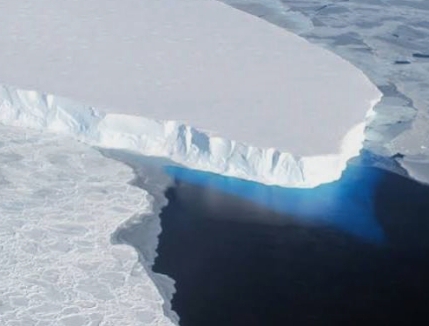
The formation of the Amos Channel sits as a stark, direct manifestation of rapid polar warming along the western margins of the Antarctic Peninsula. For centuries, a thick, contiguous ice tongue extending from the massive Wilkins Ice Shelf physically connected Rothschild Island to the far larger landmass of Alexander Island, entirely blocking marine transit. Satellite telemetry gathered over recent monitoring windows confirms that this structural ice bridge has thoroughly dissolved, leaving an open waterway where solid shelf ice once stood.
The newly mapped channel is situated at coordinates 69°42′16″ S, 71°50′30″ W. Polar oceanographers monitoring the site note that the removal of the structural ice tongue has immediately altered local maritime circulation, allowing open sub-polar currents to move freely between the islands and accelerating the under-ice melting of adjacent minor glacial shelves.
Extensive expert projections and official testimonies
The formalisation of this new geographical feature has driven detailed assessments from polar research institutions and international media watches regarding the accelerating pace of West Antarctic ice depletion.
"The opening of the Amos Channel is a beautiful but deeply sobering reminder of the physical realities of global climate change," stated Athena Dinar, an environmental spokesperson for the British Antarctic Survey. "This stretch of water is only open today because massive polar ice structures are actively losing stability. Naming this dynamic feature after Jonathan Amos is a highly fitting recognition of a journalist who spent thirty-eight years bringing the complex data of polar melting from remote field stations straight to the global public."
Climate communication specialists emphasise that naming geographical landmarks after science journalists underscores the critical role of public data dissemination in the modern environmental era.
"Jon consistently highlighted the deep importance of Antarctic research, systematically explaining not only what physical science is being executed on the ice, but precisely why it matters for global society, sea-level rise, and systemic climate understanding," observed Fiona Fox, director of the Science Media Centre. "He turned complex cryogenic datasets into an accessible public narrative, making it entirely appropriate that his name is now permanently etched onto the front line of Earth's shifting geography."
Decisive numerical models confirm intensifying polar ice loss
The structural breakup that revealed the channel aligns directly with empirical data compiled in the latest Ice Sheet Mass Balance Inter-comparison Exercise, which synthesises dozens of independent satellite-based estimates.
"We can now definitively answer the historical questions surrounding West Antarctic stability," explained the newly honoured science writer, Jonathan Amos, during his official acknowledgement statement. "The continent is losing massive volumes of ice to the ocean at a rate of tens of billions of tonnes a year, far outstripping any seasonal offsets from internal snowfall. Antarctica functions as the absolute front line of the biggest news story on planet Earth, and having a newly exposed channel bear my name is an extraordinary, humbling accolade that provides a direct incentive to finally visit the coordinates from my desk."
Editor's Note: The physical birth of the Amos Channel via ice shelf collapse serves as a monumental testament to the accelerating pace of sub-polar degradation. Moving forward, global environmental frameworks must treat polar structural indicators not as isolated maritime anomalies, but as binding empirical alarms that mandate immediate carbon mitigation, enhanced cryosphere satellite monitoring, and a total restructuring of international climate targets to protect coastal civilisations from the cascading impacts of polar melt.



Leave a comment