

TreeTake Network
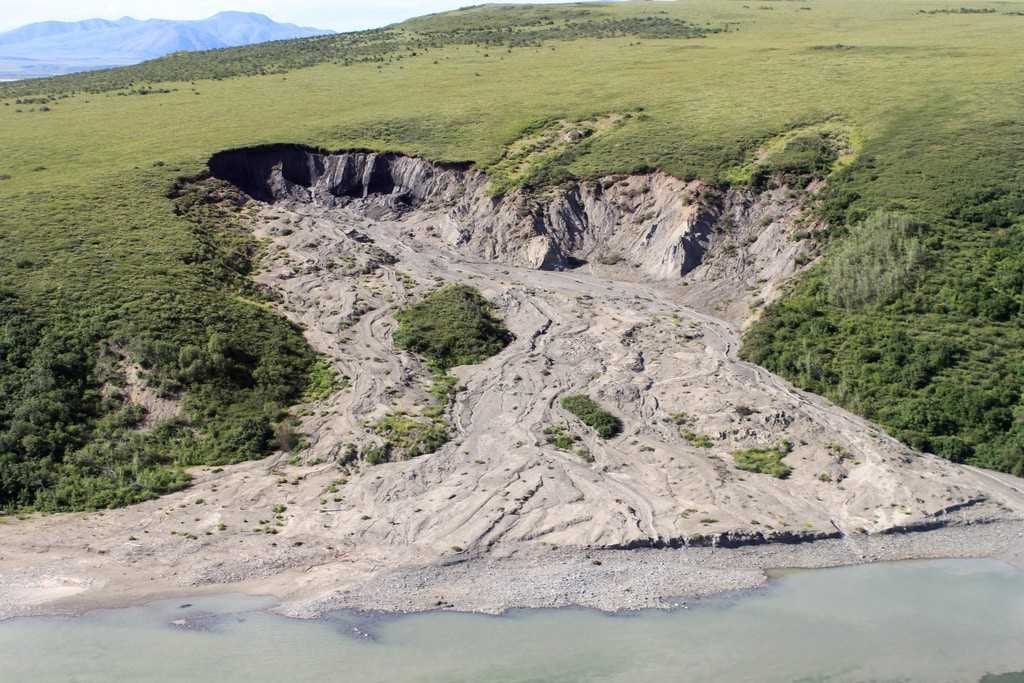
Accelerating thermal gradients across high-latitude terrain have triggered severe structural land failures with profound implications for global mountain geomorphology. On October 7, the National Research Council of Canada published an emergency spatial analysis confirming that an abrupt thermal thaw across the Northwest Territories has triggered an unprecedented 42 per cent acceleration in structural ground subsidence. This sub-arctic breakdown is actively transforming critical peatlands into net carbon sources, while providing vital structural indicators for Indian glaciologists mapping identical subterranean melting patterns across the highly vulnerable Hindu Kush Himalayas.
Cryospheric subsidence metrics and cross-continental linkages
The latest satellite telemetry recorded across northern high-latitude research hubs reveals a rapid thinning of the perennially frozen subsurface layer. Field data indicate that shifting ground ice states have caused local land surfaces to slump unpredictably, destabilising public transport grids and industrial foundations across remote territories. Commenting on the pan-Arctic changes, climatologist Dr Johan Rockström emphasised that the overshooting of global warming targets carries rapidly escalating risks of irreversible impacts for our oceans, glaciers, and permafrost, noting that beyond these limits the risks of cascading impacts increase severely. Indian polar research teams collaborating on Arctic expeditions are actively monitoring these northern structural shifts to address a massive data deficit regarding high-altitude permafrost degradation back home. Glaciological models establish that as mountain temperatures rise, the hidden thawing of frozen high-altitude soil systematically strips away the internal structural strength of steep Himalayan slopes.
Infrastructure vulnerabilities and early warning frameworks
The physical consequence of unmonitored cryospheric melting presents immediate hazards for structural developments and public safety within mountain states like Uttarakhand and Sikkim. Evaluating the ground stability risks to regional infrastructure, engineering geologist Dr Louise Farquharson stated that this long-term record demonstrates how warming can alter ground temperatures and ultimately cause large-scale geomorphological changes to the land surface, which has serious consequences for ecosystems, carbon cycling, and northern infrastructure. Applying this framework directly to the domestic climate crisis, glaciologist Dr S.N. Remya from the National Centre for Polar and Ocean Research explained that underneath the surface, there would be regions of ice, and due to global warming, this layer of ice will melt leading to a permafrost thaw, causing fluctuations or collapse of the ground. She further noted that while knowledge gaps remain, one of the reasons for the bursting of the South Lhonak glacial lake and subsequent devastating flooding in Sikkim could have been this hidden degradation.
Editor's Note: The alarming acceleration of Canadian permafrost subsidence highlights the global urgency of understanding hidden subterranean thermal thaws. Moving forward, Indian municipal authorities must mandate comprehensive cryospheric risk assessments before clearing any high-altitude infrastructure projects. The brief analysis suggests that unless national planning frameworks transition from simple surface surveys to deep ice-phase monitoring, expanding mountain corridors will remain entirely defenceless against systemic terrain failures driven by global warming.



Leave a comment