

Tell-All
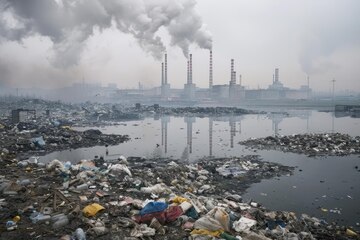
We asked: What would you be willing to sacrifice or change in your daily life to help the environment? Keep in mind the "triple planetary crisis"—climate change, pollution, and biodiversity loss!
Somewhere along the way, through our education and systems, we begin to believe that certain problems belong to certain people. Climate change is for activists to address. Finance is for economists. Cities are for planners. Each field is separated, defined, and contained within titles. But when we look closer, the people we admire are rarely confined to one role. Many of the architects we study were not just architects; they were craftsmen, thinkers, writers, and makers. They responded to the world around them without limiting themselves to a title. Perhaps that is where we need to begin again. The environmental crisis we face today, climate change, pollution, and biodiversity loss, is too complex to be addressed by any one profession alone. It is shaped not only by industries and policies, but by everyday choices, by how we live, what we consume, and what we consider valuable. As someone engaged with architecture and the built environment, I naturally see the impact of construction, land use, and materials. But over time, I have come to realise that architecture is only one part of the picture. Equally important is lifestyle, the way we value things, the way we use them, and how quickly we replace them. We were not always like this. There was a time when value was understood differently. Objects were used longer, repaired when broken, and allowed to age with dignity. A worn leather belt would develop character over time. Today, we often prefer the opposite, products that wear out faster, so that replacement feels justified. The idea of patina, of things becoming more meaningful with time, is something we are slowly losing. In Japan, there is a practice called kintsugi, where broken pottery is repaired using gold, making the object more beautiful because of its history, not despite it. In our own context, we have always had a culture of jugaad, resourcefulness, repair, and adaptation. We knew how to extend life, how to use things fully. Somewhere along the way, that mindset began to shift. The influence of global media and lifestyle created an image that everything elsewhere was better, better cities, better systems, better lives. And in trying to replicate that image, we slowly adopted patterns of consumption that prioritise appearance over longevity. When we cannot be there, we sometimes begin to imitate, as if that brings us closer to that idea of worth. This shift has consequences. Much of the pressure on our environment today does not come from need, but from unquestioned demand. More products, more upgrades, more space, more change. Each of these feeds production, and production drives extraction, energy use, and waste. For me, the shift begins with something simple: being accountable for what I own. I started paying attention not to what I buy, but to how I use what I already have. Over time, it became clear that many things are underused. Some are used occasionally. Some are forgotten entirely. Yet every one of them has already consumed resources, materials extracted, energy spent, and ecosystems altered. This made me rethink consumption, not as a moment of purchase, but as a responsibility over time. If I choose to own something, it must justify its presence. Am I using it enough? Does it serve a purpose? Or is it simply there because it was easy to acquire? This way of thinking changes behaviour. You stop buying for the moment and start thinking in terms of use, value, and longevity. It also changes how we see “free.” Often, when something is free, we are not the beneficiary; we are the product. That realisation makes us more aware of how easily we accumulate things without intention. And this shift extends beyond objects to space itself. In the built environment, we often build more than we need. Additional rooms, larger homes, repeated renovations, all carry environmental costs that are rarely visible. Building more is easy. Using what already exists efficiently is far more challenging and far more meaningful. If this way of thinking were adopted at scale, it could begin to reverse certain patterns. Markets produce the way they do because demand exists. If demand becomes more mindful, if we begin to value use over ownership, production will eventually follow. This is not about giving up comfort or ambition. It is about understanding their cost. At the same time, not everyone has the same ability to make these choices. For many, daily survival takes priority. Sustainability requires stability, time, awareness, and access. But for those who can choose, even small changes matter. Because change at scale does not begin with systems, it begins with patterns: For me, what I am willing to change is not everything, but something fundamental: the habit of consuming without reflection. To pause before acquiring. To use what I already have more fully. To see value not in accumulation, but in use. If enough of us begin to live this way, not perfectly, but consciously, it can begin to shift not just behaviour, but demand itself. And when demand changes, systems follow. Perhaps the most meaningful change we can make is not in what we add to our lives, but in what we choose to seek no longer.- Ar. Anand PJ,Architect, sustainable design enthusiast
"Embrace the possible". That’s the call of the 17 SDGs, the visionary blueprint for a better world. The triple planetary crisis is interconnected with each other. So every change made on one crisis area will make a positive difference in the whole. We only need to change our mindset of individual actions into 'Reduce, Reuse, Repair, Recycle'. While it is ideal that we adopt a strictly circular lifestyle, it may be difficult to adapt to such a lifestyle immediately. When I started this lifestyle, I started slow; even then, it was overwhelming. I started by eliminating meat consumption. It was a choice I could easily make, and it would lower land-use impact. Eating more vegetables, fruits, whole grains, legumes, nuts, and seeds, and less meat and dairy, results in fewer greenhouse gas emissions and requires less energy, land, and water. Next, I started to eliminate packaged food. This reduced my plastic consumption drastically. I researched recycling and upcycling companies in my city and started to hand over segregated dry waste to them. Over months, the amount of dry waste I generated started to decline, and I would use their services from once a week to once in two months. I have not been able to eliminate my use of private conveyance, nor am I able to work from home. But I made up for it by limiting my air travel. Long-distance air travel is restricted to once every 3 years, so I settled for virtual meetings. Now I travel only for family medical emergencies. Needless to say, I have made small but impactful changes by opting for only reusable bags for vegetable marketing, avoiding online shopping for vegetables, supporting local produce and organic agriculture, all of which help reduce industrial farming impacts. I have tried to make "Reduce, reuse, repair and recycle" the motto of my family. Every item we buy causes carbon emissions in its entire life cycle. I try to buy fewer things, shop second-hand, and repair what I can. I carry steel tiffin boxes to carry back food from restaurants, I strictly use only biodegradable home cleaners ( you will be amazed at the certified variety available in our markets today ), and buy organic food products as much as possible. The one thing I fanatically do is speak up. I relentlessly try to explain to everyone to join in changing their habits to sustainable ones. The youth are the best targets because they are eager to make a difference. Talk to your neighbours, colleagues, friends, and family. Demand bold changes from business owners to make their environmental choices in their production lines. You have a responsibility to leave a habitable planet for future generations. Climate action concerns all of us. No one can do it all alone – but we can do it piecemeal, together. There is only one planet Earth. If we don't save her, who will? -Shakuntala Majumdar, President, Thane Community for the Protection & Care of Animals (CPCA)
As a research scholar in geochemistry, I spend much of my academic life studying Earth systems—rocks, minerals, soil and water, and their interaction with natural and anthropogenic processes. This perspective constantly reminds me that the “triple planetary crisis” of climate change, pollution and biodiversity loss is not an abstract concept. It is etched into the sediments, recorded in isotopic signatures and reflected in degraded ecosystems around us. Because of this, I often ask myself: what changes in my own daily life would I be willing to make to contribute meaningfully to environmental protection? The first and perhaps most significant sacrifice I would suggest is reducing our dependence on convenience-driven consumption. Modern lifestyles are built around speed and comfort—single-use plastics, packaged foods, fast fashion and frequent deliveries. However, these conveniences contribute heavily to pollution and carbon emissions. The conscious shift to reusable alternatives: carrying a steel water bottle, cloth bags and avoiding disposable cutlery. While these choices may seem small, they directly reduce plastic waste that often ends up in rivers, soils and eventually marine environments. From a geochemical perspective, microplastics and associated contaminants alter sediment composition and introduce toxic elements into food chains. Minimising plastic use is therefore both a personal and scientific responsibility. Another change would be willingly adopting the reduction of energy consumption at home. Climate change is strongly linked to fossil fuel usage, and daily electricity use contributes to this footprint. Simple actions such as switching off unused appliances, using energy-efficient lighting and maximising natural ventilation can collectively reduce emissions. I would also prioritise public transport, cycling or carpooling whenever possible. Although personal vehicles provide convenience, they significantly increase greenhouse gas emissions and urban air pollution. Accepting slightly longer travel times or reduced comfort is a reasonable sacrifice if it contributes to cleaner air and a stable climate. Dietary choices also play a crucial role in addressing the crisis by reducing food waste and adopting a more plant-based diet. Agriculture, particularly livestock production, is a major contributor to methane emissions and land degradation. By choosing locally grown, seasonal produce, we can lower transportation-related emissions and support sustainable farming. Additionally, composting organic waste would return nutrients to the soil, reducing landfill burden and improving soil health. This aligns with geochemical nutrient cycling, where maintaining balanced carbon and nitrogen cycles is essential for ecosystem stability. Water conservation is another area where daily habits matter. Excessive water use not only strains freshwater resources but also increases energy demand for treatment and distribution. The mindful practice of water usage—shorter showers, repairing leaks and reusing water if safe. In regions facing groundwater depletion, such habits can contribute to long-term sustainability. As the overextraction of groundwater can alter aquifer chemistry, increase salinity and mobilise harmful elements. To address biodiversity loss, we can modify our lifestyle by supporting urban greenery and minimising habitat disturbance. Planting native species in available spaces, avoiding chemical pesticides and encouraging pollinator-friendly environments can help maintain local biodiversity. Even small patches of vegetation can support insects, birds and soil microorganisms. These organisms play vital roles in nutrient cycling and ecosystem resilience. Protecting biodiversity is not only about conserving forests but also about nurturing life in our immediate surroundings. Furthermore, I would recommend reconsidering the digital and consumption habits. Excessive online shopping and frequent gadget upgrades contribute to electronic waste and resource depletion. Rare earth elements and metals used in electronics are extracted through environmentally damaging mining processes. Extending the lifespan of devices, repairing instead of replacing and recycling responsibly would reduce pressure on natural resources. This is particularly relevant as the mining activities often lead to soil contamination and acid mine drainage. Finally, we must sacrifice the comfort of silence and actively engage in environmental awareness. Personal action is important, but collective change is essential. Encouraging eco-friendly practices and promoting waste segregation in institutions can multiply impact In conclusion, addressing the triple planetary crisis requires both systemic and individual changes. These daily adjustments—reducing waste, conserving energy and water, supporting biodiversity and promoting responsible consumption- may appear modest, but collectively they contribute to meaningful environmental protection. Our present actions will shape future geological records. Choosing sustainability today ensures that those records tell a story of responsibility rather than regret. - Namrata Singh, Research Scholar, Department of Geology, & Junior Research Assistant, Department of Chemistry, University of Lucknow
From Mahanagar to Prem Saran Nagar: My Personal Shift Towards an Eco-Friendly Life: In today’s world, the “triple planetary crisis” of climate change, pollution, and biodiversity loss is no longer a distant concern but a pressing reality. Rising temperatures, increasing pollution, and the alarming loss of biodiversity demand immediate and responsible action. For me, this awareness led to a conscious transformation in lifestyle, a shift from the urban setting of Mahanagar to the eco-friendly environment of Prem Saran Nagar. This transition was not just about relocating; it was about redefining the way we live, consume, and interact with nature. Life in Mahanagar offered convenience, but it also came with excessive resource consumption, waste generation, and a disconnect from natural systems. Moving to Prem Saran Nagar allowed us to adopt a more sustainable and responsible way of life. One of the key features of our eco-friendly colony is the installation of solar panels. By harnessing renewable energy from the sun, we have significantly reduced our dependence on conventional electricity sources, thereby lowering our carbon footprint. Solar energy not only supports climate action but also promotes energy self-reliance and long-term sustainability. Equally significant is the innovative construction of our homes. Unlike conventional brick structures, the walls are built using CLC (Cellular Lightweight Concrete). This material provides excellent thermal insulation, maintaining indoor temperatures that are approximately 5 degrees Celsius cooler than the outside environment. As a result, the need for artificial cooling is greatly reduced, leading to lower energy consumption and a more comfortable living space. Water conservation is another important aspect of life in Prem Saran Nagar. The colony is equipped with a fully functional Sewage Treatment Plant (STP), which ensures that wastewater is treated and reused effectively. The recycled water is used for irrigation in the colony field, preventing wastage and reducing environmental pollution. This system reflects how thoughtful planning can transform waste into a valuable resource. We have also embraced the practice of growing our own organic vegetables. With access to our own fields, we cultivate produce without the use of harmful chemicals or pesticides. This not only ensures healthier food for our family but also contributes to soil health and biodiversity. Growing our own food has reconnected us with nature and instilled a deeper respect for the environment. The plantation of fruit-bearing trees within the colony further strengthens our ecological commitment. These trees enhance greenery, improve air quality, and provide natural habitats for birds and small animals. Over time, we have witnessed a visible return of biodiversity, something rarely experienced in urban environments. One of the most encouraging aspects of this lifestyle is the active involvement of children. They are engaged in preparing organic fertilisers from vegetable waste through composting. This hands-on learning experience teaches them the importance of recycling, sustainability, and respect for nature. It is heartening to see the younger generation adopting environmentally responsible practices from an early age. Of course, this shift has required certain changes and adjustments. Moving away from city life means sacrificing some conveniences and adapting to a slower, more effort-driven lifestyle. Organic farming requires time and patience, and sustainable living demands discipline in managing resources. However, these changes are not burdensome; rather, they bring a sense of purpose and fulfilment. Living in Prem Saran Nagar has made us more conscious of our daily habits. We practice water conservation, minimise plastic use, segregate waste, and use energy efficiently. Each small step contributes to addressing the larger environmental challenges we face today. The journey from Mahanagar to Prem Saran Nagar has reinforced my belief that meaningful change begins at the individual and community level. Sustainable living is not about perfection but about consistent, mindful efforts. When communities come together with a shared vision, the impact can be transformative. In the context of the triple planetary crisis, each of us needs to evaluate our lifestyle choices. By adopting eco-friendly practices, we not only reduce our environmental impact but also inspire others to follow suit. The need of the hour is collective responsibility and conscious living. This journey has shown me that living in harmony with nature does not mean compromising on comfort; it means redefining comfort in a more sustainable and meaningful way. Prem Saran Nagar is not just a place to live; it is a model of how communities can coexist with nature while contributing to the well-being of the planet. – HN Singh, Lions International Faculty, SPHEEHA Member, Naturalist , HAM Radio Licence VU2YUH,Trekker & Mountaineer
तीन ग्रह संकटकृजलवायु परिवर्तन, प्रदूषण और जैव विविधता हानि से निपटने के लिए, मैं अपनी दैनिक दिनचर्या में वास्तविक बदलाव कर चुकी हूं, जिसमें कार यात्राओं को पूरी तरह से खत्म करना शामिल है। ये व्यक्तिगत कार्बन फुटप्रिंट को कम करता है। मैं सिंगल-यूज प्लास्टिक जैसे बैग, बोतल और स्ट्रॉ का त्याग कर चुकी हूं, इसके बजाय स्टील की रीयूजेबल बोतल और कपड़े के थैले साथ रखती हूं। यह छोटा-सा बदलाव नदियों और समुद्रों को प्लास्टिक प्रदूषण से मुक्त करने में मदद करेगा और हमारे भोजन श्रृंखला में घुस रहा है, साथ ही दुनिया भर में सालाना पैदा होने वाले 40 करोड़ टन प्लास्टिक कचरे को कम करेगा। शाकाहारी दाल और सब्जियों जैसे प्लांट-बेस्ड भोजन ही इस्तेमाल करती हूं। पशु उत्पीड़न, वनों की कटाई और जैव विविधता हानि को देखते हुए बदलाव आवश्यक है। मैं सभी निष्क्रिय इलेक्ट्रॉनिक्स को अनप्लग करती हूं और एलईडी लाइट का इस्तेमाल करती हूं, थोड़ी सी लापरवाही का त्याग करके भारी ऊर्जा बचत होती है। घरेलू उपकरण सालाना इतनी बिजली बर्बाद करते हैं जितनी पूरे देशों को चलाने के लिए लगती है। यह जलवायु परिवर्तन और प्रदूषण से लड़ाई लड़ता है। ये बदलाव बड़े त्याग नहीं हैं लेकिन ग्रह की सुरक्षा के लिए बड़ा असर डालते हैं।-डॉ. मोनिका रघुवंशी, राष्ट्रीय समन्वयक (एन.वाई.पी.बी.), उपाध्यक्ष (अ.सा.मि.म.)
Topic of the month: Topic of the month: Do you think unmindfully bred pigeons in urban areas are driving out native birds like sparrows or crows? Send your replies in not more than 800 words, either in Hindi or English, to [email protected] along with your recent photo and designation.



Leave a comment