

Selfless Souls
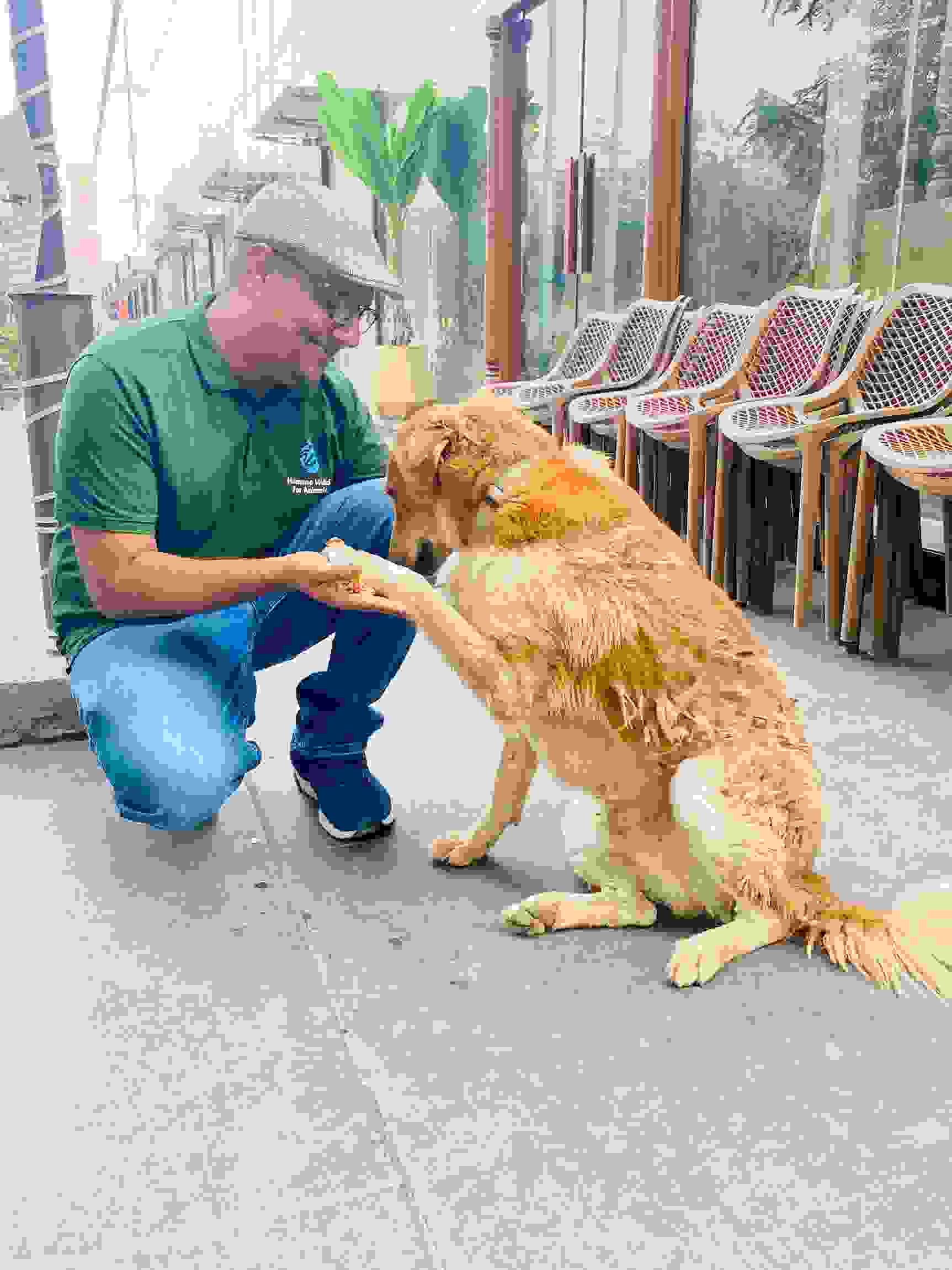
As Senior Manager of Veterinary Training and Capacity Building at Humane World for Animals India, Dr Sanjay Ahir leads efforts to strengthen Animal Birth Control (ABC) programmes in India and internationally. Since joining in 2016, he has designed and delivered comprehensive training programmes for veterinarians, para-veterinarians, and animal handlers, equipping over 300 professionals with advanced skills in spay/neuter surgeries and humane dog management. Dr Ahir has successfully managed large-scale dog population management programmes and works closely with government partners, municipal bodies, and communities to improve animal welfare practices and build sustainable ABC initiatives …
Q: With the 2023 Animal Birth Control (ABC) Rules now in effect, what is the most critical technical skill that Indian veterinarians need to master to align with these new national standards?
The role of veterinarians in the ABC programme extends far beyond performing quality spay-neuter surgeries. While surgical proficiency is essential, veterinarians must also master and ensure the implementation of comprehensive standard protocols. These include pre-operative health assessments, safe anaesthesia administration, proper patient preparation, aseptic surgical techniques, and post-operative care and recovery management. A thorough understanding of these protocols ensures adherence to the ABC Rules, 2023. Additionally, veterinarians play a key role, ensuring that the entire programme is implemented ethically, scientifically, and effectively. A key skill is in interacting with the community to resolve conflict, provide accurate information that can help dispel superstition and unscientific information.
Q: Your programme emphasises “scientific” spay-neuter and “low-stress” handling. How do these specific techniques improve surgical recovery and long-term welfare for street dogs compared to traditional methods?
Our main objective is the least stress and the best pain management for any animals coming in for ABC. From the way a dog is caught from its location in the community, to its transport, stay, surgery and release, when animals experience the least stress or trauma, their recovery is better. Our programme offers detailed scientific spay-neuter techniques, guided by Standard Operating Procedures (SOPs), which ensure high-quality surgeries with minimal complications. When combined with low-stress handling methods, these approaches significantly reduce fear, trauma, and stress in animals. Proper anaesthesia, aseptic protocols, gentle handling, and structured post-operative care promote faster recovery, lower infection rates, and improved overall welfare. Compared to traditional methods, these practices enhance surgical outcomes, minimise mortality, and ensure humane and sustainable street dog population management. Our surgeries are midline, with a very small incision. Teaching precision methods that can reduce the time of the surgery has the same outcome as it would in humans: a faster recovery.
Q: You’ve integrated GPS tagging via a mobile app into the training. How has this digital tracking changed the transparency and efficiency of street dog population management at the city level?
GPS tagging has transformed the transparency and efficiency of ABC programmes. It ensures that dogs are released at their original capture locations, as mandated by law, thereby preventing territorial conflicts and safeguarding animal welfare. Additionally, digital tracking strengthens data documentation, improves accountability, and enables real-time monitoring. This technology supports evidence-based planning, prevents duplication of efforts, and enhances coordination among municipal bodies and implementing agencies. Through the app, we are able to respond to calls from the community in the case of dogs from certain areas being brought in or not, increasing the trust factor of the programme. Often, we have community members request to come and see their dogs at the facility to make sure they are ok. This transparency and assured release back to their original locations make for many happy reunions.
Q: With nearly 175 professionals already trained across India and Vietnam, what kind of “ripple effect” are you seeing in local communities once these experts return to their home districts?
The ripple effect has been significant. Trained professionals are securing meaningful employment and performing high-quality surgeries aligned with national standards. Those working with animal welfare organisations are strengthening ABC programmes by implementing improved protocols and mentoring their teams. We have seen cases where people returning to the field have ensured adherence to protocols, instantly changing the way a programme works in their cities. Organisations upgrade their protocols to improve animal welfare. We are confident that over time, this will raise the standard across the entire country.
Q: The upcoming Lucknow centre is a major milestone. Why was Lucknow chosen for this dedicated hub, and what will a typical day look like for a vet undergoing training there?
It is because of the initiative of the UP government, Lucknow Municipal Corporation and Animal Welfare Board of India that the training centre came into being. LMC and Humane World for Animals India have implemented one of the largest, efficient and effective animal birth control programmes through one centre. We crossed 1 lakh surgeries in January 2026. It is befitting that a training programme be implemented alongside. Recognising its impact, the municipal body has continued its efforts to improve ABC standards nationwide by supporting the development of a dedicated training hub. The centre provides training not only for veterinarians but also for para-veterinarians and animal handlers. A typical 15-day programme runs from 9:00 AM to 5:00 PM. It begins with a pre-training assessment, followed by two days of theoretical sessions. The remaining days focus on intensive hands-on training. Veterinarians are trained in high-quality surgical techniques while also gaining exposure to anaesthesia, pre-operative preparation, post-operative care, recovery management, and kennel management. For paravets- everything from handling, pre- and post op care, kennel management, cleaning protocols, feeding and welfare. In addition, we have sessions on community engagement and legal compliance for all trainees. This holistic approach ensures comprehensive capacity building.
Q: A key goal of this initiative is “reducing conflict between dogs and communities.” Can you share how a better-trained veterinary team directly leads to fewer dog-bite incidents or less neighbourhood tension?
When a healthy street or community-owned dog comes in for abc and returns happy and healthy back to its original location, it is the greatest success of the programme. This intentional, mindful and careful act creates immense trust in the programme. A well-run programme shows impact on the ground over time. In Lucknow, our recent KAP (knowledge, attitude, practice) survey found that people have noticed a decrease in puppies dying in their communities, they have noticed fewer births, fewer conflicts and more stable dog populations in their areas. Our veterinarians also respond to community queries, complaints and explain complicated aspects of the work to the general public. This is an important service to help convert more people from asking to relocate dogs to asking for sterilisation and vaccinations. Furthermore, veterinarians support community engagement initiatives by conducting dog behaviour workshops, veterinary first-aid training, and rabies awareness sessions. These efforts foster coexistence, build public trust, and significantly reduce dog-bite incidents and neighbourhood tensions.
Q: Ahead of World Veterinary Day, what is your primary message to the next generation of vets regarding the impact they can have on public health and animal welfare through the ABC programme?
We are a part of nature, and animals are an integral part of our ecosystem. As a veterinarian, we must have the capability to facilitate and foster humane coexistence. A single veterinarian in their lifetime will not only touch the lives of thousands of animals but also of people. India needs compassionate, ethical and skilled veterinarians. Veterinarians play a crucial role in advancing animal welfare, controlling rabies, and safeguarding public health. As government-led initiatives expand across India, young veterinarians have an opportunity to lead transformative change.



Leave a comment