

Vet’s Views
Dr Kaushlendra Kumar
The doctor has been practising in Lucknow for the past 20 years in canine and other pet animal medicine and surgery
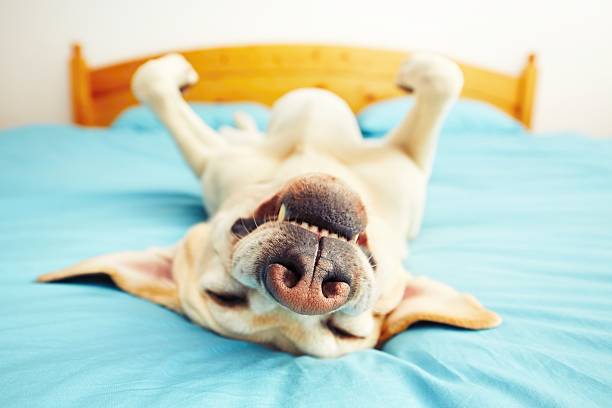
Q: My 6-year-old Labrador is showing a change in his sleep routine. He seems to prefer drowsing most of the time and doesn't seem keen on his routine walks (though he never poops inside). He is holding his urine for long hours, too, as he spends most of his time sleeping. He gets two meals a day that he eats. What could be wrong with him? - Seema Sahay
Drowsiness is a symptom related to inactivity, poor diet, obesity, and missed routine medications, such as deworming. Otherwise, you should visit your vet for a routine blood test. In winter, dogs show laziness because of less water consumption and inactivity. You should offer fresh lukewarm water to your pets. If all these points are taken care of, yet the dog is lazy, then advanced check-ups like chest radiography and ultrasonography should be done to rule out cardiac ailments. In this season, thoracic ailments like mild pneumonia and cardiac infections are also common. After all these check-ups, medications can be started on proper advice. Thoracic medicines are a little advanced, and proper dosage is very, very important. Tepid water, light exercises and healthy protein-rich food will help fight drowsiness, etc.
Q: My 3-year-old female beagle has a lump in her tail joint that I recently noticed. She is active and seems healthy otherwise. She allowed me to check the lump so I am not sure if it is painful. What must I do? - Raj K Dixit
A lump on the tail is one of the most common tumours in pets these days. Tumour and cancer cases are rising in animals because of the sharing of the same environment and food chain. Toxic materials present in the food chains, water bodies and our environment get into pets' systems very easily and cause many such problems. Tail tumour could be of superficial origin and may not be hurting her, but in general any tumour in the body draws nutrition from the body to grow and in the process makes the animal weak, dull and, in due course of time, it bursts leading to haemorrhage and a big wound. Surgery is the best option to treat such tumours. Routine blood tests followed by surgery help. Good quality protein diets are important to fight such problems in future, along with activities and good care.
Q: I have an Indie female dog of 13 years. I got her spayed when she was only four months old. She seems to be fit, but I am worried. What are the signs of ageing that I should look out for, and what extra care should I take of her so that she can live a long life? Please help me. - Chirag Saxena
A 13-year-old Indie female dog with complete fitness is an example of how well you have taken care of her. Spaying that was done at a very early age could be the reason she is so fit. Ideal spaying time is 8/9 months. This has helped you to keep her free from many problems associated with reproductive hormones in her late years. Now, to increase her longevity, high fibre diets with optimum nutrition are very important. Calcium and multivitamins in this age help maintain the vital functions normally. Brisk or low-scale exercises should be adopted. Maintaining body temperature is very important, and this can be managed by diet and water intake. For most diseases, less water consumption is the main cause.
Q: I have a pug that has a respiratory issue of sorts- once he starts to sneeze, he cannot stop. We usually block his nose or rub his snout. After such a spasm, he keeps panting for many minutes, even refusing to drink water. Is it normal or a disease? -SK Sharma
Breed pugs are brachycephalic in nature, whose front portion of the nose is compressed, and many other breeds too have this problem. Because of this anatomical nature, a pug is not able to breathe and respire easily, or breathes with lots of difficulty. There are no specific medicines to alleviate these problems. Airway obstruction can be relieved by a few minor surgeries, which will make the life of pug-like breeds much better. You need to consult your doctor/vet for these minor surgeries. Medications to improve the oxygen uptake in the body can be given. Apart from anatomy, this pug breed is prone to allergy, bronchial disease and later on pneumonia. Go for radiography and thoracic radiography to rule out such problems. While thinking of respiratory issues, cardiac problems, which are becoming very common these days, cannot be ruled out. Advanced scanning is needed before starting any medications.



Leave a comment