

Plants & Pets
TreeTake Network
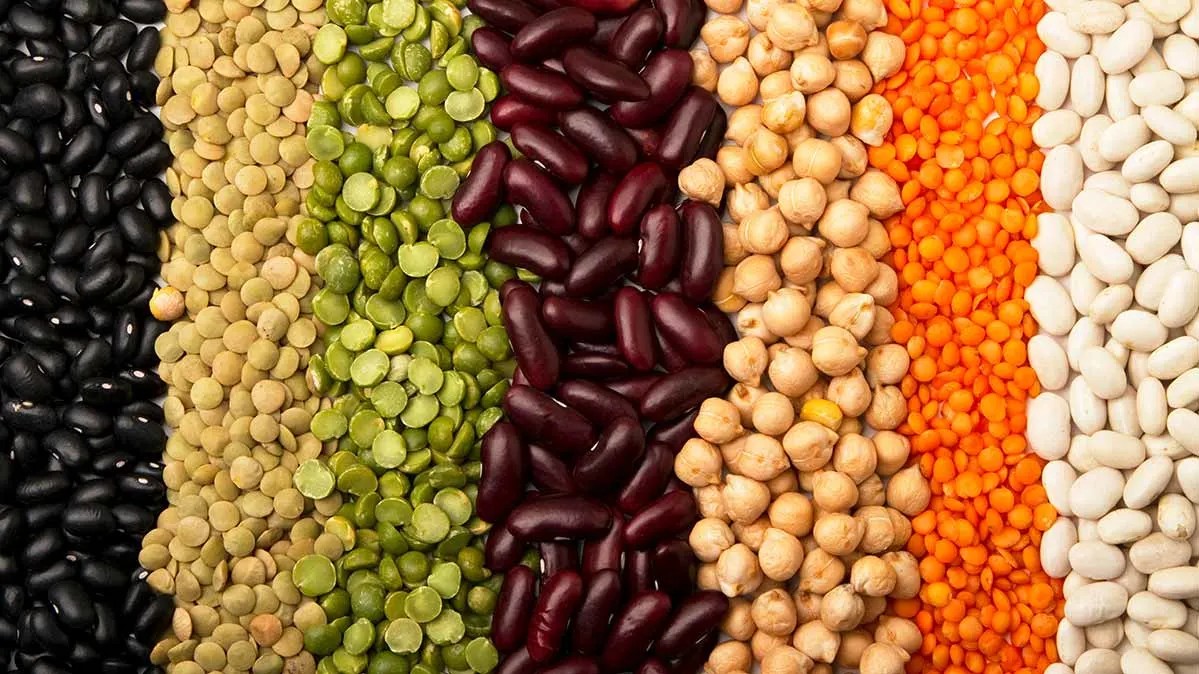
The practice of eating specific lentils on certain days of the week is rooted in Ayurvedic and astrological traditions, which associate different coloured foods with the ruling planets of each day. Here is a general guide to which lentils (or pulses) are traditionally associated with each day:
Sunday: Foods that are reddish or pinkish in colour are associated with the sun. While not a lentil, some traditions incorporate red or pink ingredients.
Monday: White foods are associated with the Moon. Plain milk or curd (yogurt) is common, often with jaggery or turmeric added.
Tuesday: Red lentils (masoor dal) or pigeon peas (arhar dal) are associated with Mars and the colour red.
Wednesday: Green gram (moong dal) is associated with Mercury and the colour green, and is a very common choice for this day.
Thursday: Bengal gram (chana dal) or chickpeas are associated with Jupiter and the colour yellow.
Friday: White or black-eyed peas (cowpea) are associated with Venus.
Saturday: Black gram (urad dal) or black sesame is associated with Saturn and the colour black.
Following this schedule is a traditional way to balance diet with perceived cosmic energies, though from a nutritional standpoint, rotating different types of lentils throughout the week is beneficial for a varied intake of protein, fibre, and minerals.
Vegetables: While there isn't a strict, universally mandated vegetable for each day of the week, incorporating a variety of seasonal winter vegetables into your daily meals is recommended for optimal health benefits. The key is to eat a mix of root, cruciferous, and leafy green vegetables throughout the week. Here is a sample weekly guide to ensure a diverse intake of winter produce:
Monday: Leafy Greens (Spinach, Fenugreek/Methi) - Start the week with iron-rich greens, great for energy and bone health.
Tuesday: Root Vegetables (Carrots, Sweet Potatoes) - Focus on beta-carotene and fibre to support vision and digestion.
Wednesday: Cruciferous Vegetables (Cauliflower, Broccoli) - These provide a boost of Vitamin C and antioxidants to enhance immunity.
Thursday: Mixed Vegetables & Legumes (Peas, Beans, mixed curry) - Combine protein-rich peas and beans with other vegetables for muscle strength and vitality.
Friday: Root Vegetables (Beetroot, Radish) - Utilise natural blood purifiers and digestive aids before the weekend.
Saturday: Leafy Greens (Mustard Greens/Sarson, Kale) & Whole Grains - Pair nutrient-dense greens with whole-grain rotis for a hearty, traditional meal (e.g., Sarson ka Saag with Makki Roti).
Sunday: Mixed Vegetables in Soups or Stews - Use a variety of leftover vegetables for a comforting and nutritious soup to end the week.
Key winter vegetables
The primary winter vegetables available in abundance in India include:
Leafy greens: Spinach (Palak), Fenugreek (Methi) leaves, Mustard greens (Sarson), Bathua (Chenopodium album), Kale.
Root vegetables: Carrots (Gajar), Beetroot (Chukandar), Radish (Mooli), Turnips, Sweet Potatoes.
Cruciferous and others: Cauliflower (Gobi), Broccoli, Green Peas, Cabbage, Capsicum (Bell Peppers).
Tips for healthy consumption
Eat seasonally: Seasonal vegetables are fresher, more nutritious, and often more flavorful.
Vary preparation methods: Light steaming, sautéing, or roasting helps retain maximum nutrients compared to over-boiling.
Include raw options: Add radishes, carrots, or cabbage to salads for a crunchy, nutrient-packed addition.
Stay hydrated: Drink plenty of warm water or herbal teas throughout the day, as the dry winter air can be dehydrating.
Fruit: While there isn't a strict "fruit for a specific day" rule in nutritional guidelines, varying your fruit intake daily ensures a wide range of nutrients during winter. The general recommendation is to eat 2-3 servings of seasonal fruits daily. Here is a sample weekly schedule incorporating a variety of nutrient-rich, seasonal winter fruits to boost immunity and energy:
Monday: Oranges/Citrus Fruit Oranges, grapefruits, or sweet limes are packed with Vitamin C and antioxidants, crucial for fending off seasonal colds and flu.
Tuesday: Apples. A year-round favourite, apples are rich in fibre, Vitamin C, and antioxidants that aid digestion and help maintain steady energy levels.
Wednesday: Kiwi. This fruit contains more Vitamin C than oranges and is an excellent source of fibre and antioxidants to support immunity and digestive health.
Thursday: Pomegranate. These "ruby-red jewels" are rich in iron and antioxidants, improving blood circulation and fighting inflammation.
Friday: Guava. A highly nutrient-dense tropical fruit, guava is loaded with Vitamin C, fibre, and potassium, which help regulate blood sugar and support digestion.
Saturday: Pears. Pears are a hydrating fruit with high soluble fibre content, making them soothing for the digestive system and helpful for preventing winter constipation.
Sunday: Grapes/Berries. Grapes and berries (like strawberries or blueberries) are packed with antioxidants like resveratrol and vitamin C, protecting cells from damage and supporting heart health.
Tip: For maximum health benefits, opt for whole fruits rather than juices to get the full fibre content. It is always best to consult with a healthcare professional for a personalised diet plan.



Leave a comment