

Talking Point
Harendra Narayan Singh
The writer is a prominent leader in Lions Clubs International & Faculty, alongside his background as a respected consultant and an enthusiast of HAM radio and mountaineering. Based in Lucknow, India, he's known for his extensive experience in Lions Clubs, holding roles like District Coordinator and Presidential Medal recipient, focusing on service, leadership, and community impact.
On a quiet morning, when the world still feels unhurried and possibility hangs softly in the air, a simple truth reveals itself again and again: service is not an abstract idea; it is a lived experience. It is found in small acts of care, in steady hands reaching out and sometimes in the gentle pull of a leash held by a dog whose purpose is far greater than its size. The story of the Lions International Dog Guide is, at its heart, a story about dignity, independence and the enduring power of community.
For decades, Lions across the world have believed that service is most meaningful when it restores confidence and opens doors that were once closed. Among their many initiatives, support for dog guide and service dog programmes stands out as a living symbol of this belief. A trained service dog does more than assist; it transforms. It turns uncertainty into confidence, isolation into participation and dependence into freedom.
The journey begins long before a dog is placed with a person. It starts with intention. Lions Clubs, rooted deeply in their local communities, have always understood that real change is sustained by commitment. When a club decides to support dog guide programmes, it is not merely donating; it is adopting a cause that aligns with its values. The funds raised, the events organised, and the awareness campaigns conducted all converge towards one goal: empowering individuals with disabilities to live fuller, more independent lives.
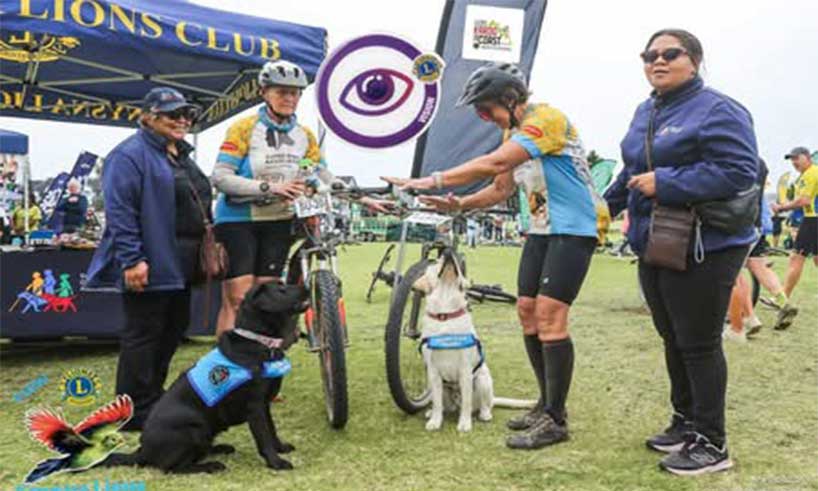
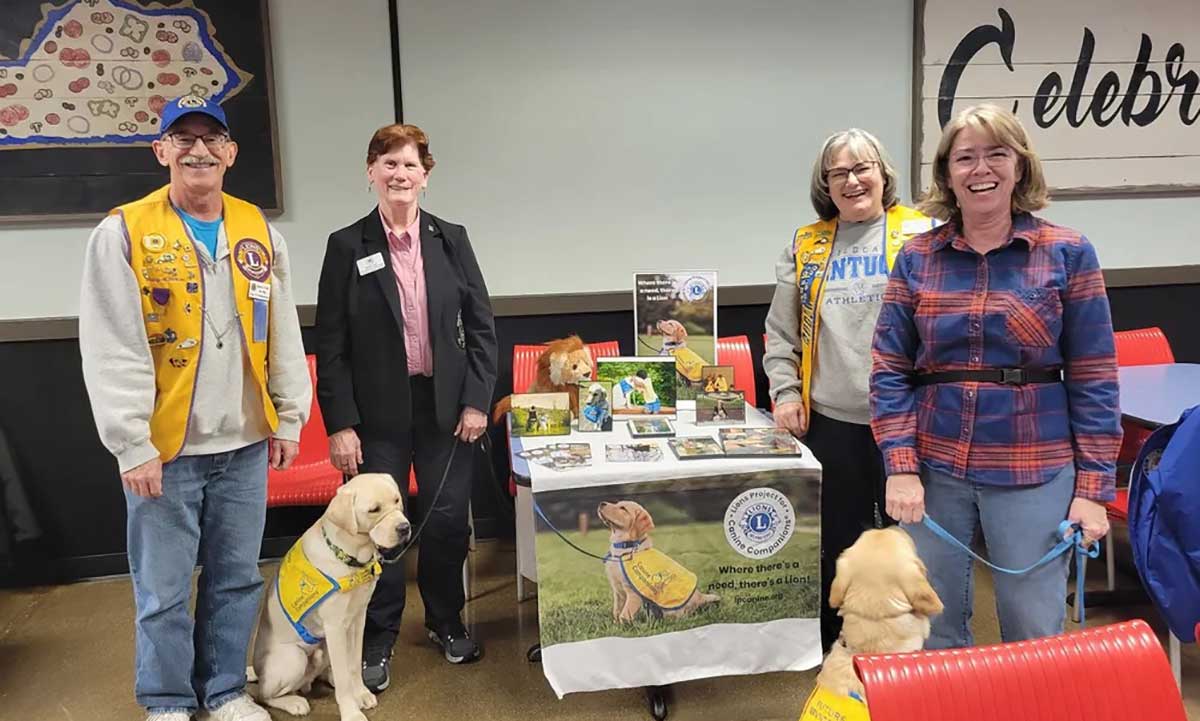
Behind every service dog is a carefully planned process. Puppies are selected with great care, chosen not only for physical health but also for temperament. Calmness, intelligence, adaptability and empathy are qualities that cannot be compromised. These puppies begin their journey in the homes of volunteer puppy raisers, ordinary people who open their doors and hearts to an extraordinary responsibility. For months, sometimes over a year, these families teach the dogs basic obedience, social skills and the confidence to navigate a world full of noise, crowds and unpredictability.
Letting go is never easy. Puppy raisers form deep bonds with the dogs they nurture, yet they understand that their role is part of something much larger. When the dog moves on to professional training, it is a moment of pride mixed with quiet tears. The puppy is no longer just a pet; it is becoming a partner, a lifeline for someone it has not yet met.
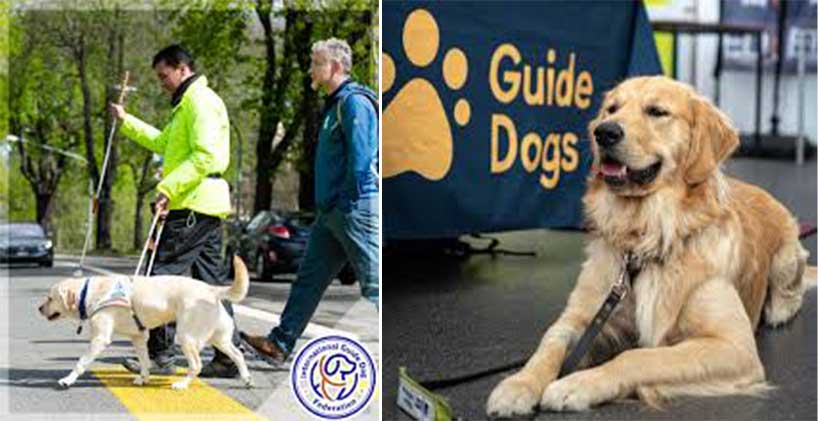
Professional training is rigorous and demanding. Dogs are taught specialised tasks depending on the needs they will one day meet. Some learn to guide individuals with visual impairments safely through streets and buildings. Others are trained to assist people with mobility challenges, retrieving objects, opening doors or providing balance and support. Still others learn to alert their handlers to medical conditions, such as sudden changes in blood sugar levels or the onset of seizures. Each skill is practised repeatedly until it becomes second nature.
Parallel to the dog’s training is the preparation of the human partner. Receiving a service dog is not simply about gaining assistance; it is about forming a relationship built on trust and mutual understanding. Handlers learn how to communicate with their dogs, how to care for them and how to integrate them into daily routines. This partnership is unique, deeply personal and life-changing.
The Lions International Dog Guide initiative recognises that access to such life-altering support should never be determined by financial means. For many individuals with disabilities, the cost of training and maintaining a service dog would be prohibitive. Lions step in to bridge this gap. Through collective fundraising efforts, donations and long-term commitments, they ensure that these dogs are provided at no cost to the recipients. This principle reflects a core Lions value: service without expectation of personal gain.
Communities feel the impact almost immediately. When a person gains independence through a service dog, the ripple effects extend far beyond the individual. Families experience relief and reassurance. Employers gain confident, capable team members. Public spaces become more inclusive as awareness grows. The presence of a service dog often sparks conversations, breaking down misconceptions and fostering empathy.
Yet the journey is not without challenges. In many places, lack of awareness about service animals leads to misunderstandings and at times, discrimination. Handlers may face access denials or uncomfortable questioning. This is where advocacy becomes as important as funding. Lions have long understood that service also means education. By engaging with businesses, schools and local authorities, they work to ensure that the rights of persons with disabilities are respected and upheld. Awareness campaigns, informational sessions and community outreach help create environments where service dogs are recognised not as pets, but as essential partners.
In India, as in many parts of the world, the legal framework supports the rights of persons with disabilities to be accompanied by service animals in public spaces. However, laws alone are not enough. Real inclusion requires understanding at the ground level. Lions Clubs, with their strong local presence, play a crucial role in translating legal rights into everyday acceptance. They serve as bridges between policy and practice, ensuring that the spirit of inclusion becomes a lived reality.
The emotional impact of a service dog placement is profound. Many handlers describe the moment they first walk independently, guided or assisted by their dog, as transformative. Simple activities like crossing a busy street, travelling alone or participating in social events take on new meaning. The dog becomes more than a helper; it becomes a source of confidence, companionship and emotional security.
Stories from across the world echo this sentiment: a young student navigating a university campus with renewed assurance, an elderly individual regaining the ability to move freely within the community, a person with a medical condition finding peace of mind in the constant and attentive presence of a trained dog; these stories are as diverse as the people themselves. Yet they are united by a common thread: the power of partnership.
For Lions, these outcomes reaffirm the importance of sustained commitment. One-time contributions are valuable, but long-term impact is built through ongoing support. Life memberships, restricted funds and endowment-style contributions ensure that assistance continues not just today, but for generations to come. By investing in the future, Lions ensure that the mission of providing service dogs remains resilient and responsive to growing needs. Equally important is the role of volunteers. From puppy raisers to event organisers, from trainers to advocates, countless individuals contribute their time and energy to the cause.
Lions Clubs often become hubs where these efforts converge, coordinating activities and celebrating milestones together. The sense of shared purpose strengthens community bonds and inspires others to get involved. The Lions International Dog Guide initiative also reflects a broader philosophy of service that Lions have upheld for over a century. It is about seeing ability where others see limitation. It is about creating opportunities rather than offering charity. Most importantly, it is about restoring agency to individuals, allowing them to define their own paths with confidence and dignity.
As society continues to evolve, so do the needs of individuals with disabilities. Advances in training methods, veterinary care and assistive technologies continue to enhance the effectiveness of service dogs. Lions remain adaptable, embracing innovation while staying true to their core values. By supporting research, sharing best practices and collaborating across regions, they ensure that their efforts remain impactful and relevant.
The legacy of the Lions International Dog Guide is not measured solely in numbers, though thousands of dogs trained and millions of lives touched speak volumes. It is measured in moments: a confident step taken alone for the first time, a smile of relief from a family member, a quiet bond between a person and a dog working seamlessly as one. These moments, multiplied across communities and continents, form a powerful narrative of service in action.
Looking ahead, the mission remains clear. There are still individuals waiting for independence, still communities learning about inclusion, still dogs ready to serve with unwavering loyalty. The work continues, driven by the belief that when people come together in service, extraordinary change is possible.\
In the end, the Lions International Dog Guide story is not just about dogs or organisations. It is about humanity at its best. It is about recognising that true strength lies in compassion and that by empowering one person, we uplift an entire community. With every leash placed in a waiting hand, Lions reaffirm a simple promise: to serve, to include and to ensure that no one walks alone. (Source: www.lionsclubs.org)



Leave a comment