

TreeTake Network
A major atmospheric pollution crisis unfolded at Kottiyam in the Kollam district of Kerala on November 18, 2026, when toxic emissions from a commercial tar-mixing plant hospitalised 62 school students. The severe chemical exposure event occurred at the Auxilium ISC School, where children ranging from lower primary classes up to Plus Two suddenly began collapsing, vomiting, and experiencing acute respiratory distress. As dense plumes of black particulate smoke drifted directly into the school building, emergency services deployed eight ambulances to establish a rapid medical evacuation corridor to transport the affected children to a nearby private medical facility. Local police teams and health administrative squads rushed to the site to cordon off the area, halting industrial operations immediately while medical staff placed dozens of pupils under emergency oxygen support.
The catastrophic environmental incident triggered widespread panic and raw outrage among parents and local communities, as the highly controversial industrial asset had only just resumed operations earlier that morning. Local panchayat authorities had previously issued a formal stop memo against the private tar-mixing plant following intense public protests when an earlier leak left more than 10 students hospitalised with identical chemical inhalation symptoms. However, the corporate management of the industrial unit managed to bypass local environmental safety frameworks by securing a highly controversial court order that vacated the municipal stay. Within three hours of the facility restarting its heavy processing machinery, the surrounding residential and educational ecosystem was blanketed by hazardous chemical emissions.
A senior police official investigating the industrial site confirmed the legal and physical sequence of the environmental breach. "Our preliminary field inspection reveals that the severe health complaints among the school students emerged almost immediately after the commercial tar-mixing plant resumed its industrial operations. The factory management had successfully used an administrative petition to get the High Court to vacate the existing stay memo on their commercial activities. Following this fresh crisis, we have intervened alongside panchayat leaders to enforce an absolute shutdown of the facility to preserve public safety. All 62 admitted children are currently stable under close medical observation, but an exhaustive environmental forensics investigation is now underway."
Institutional failures and public health vulnerability
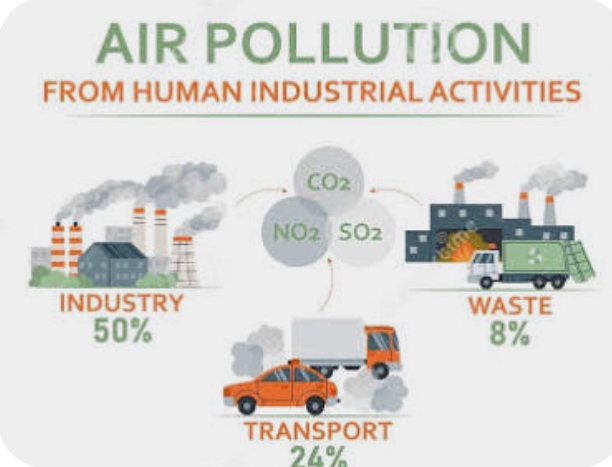
The localised crisis highlights a systemic failure to regulate toxic emission zones near sensitive educational and residential infrastructure across the state. Public health experts warn that the incomplete combustion of bitumen and heavy coal tar derivatives inside unmonitored mixing units releases dangerous volumes of polycyclic aromatic hydrocarbons, volatile organic compounds, and sulphur dioxide. These microscopic chemical complexes cause immediate structural inflammation in the pulmonary tissues of developing children, leading to severe bronchospasms, chemical pneumonitis, and long-term neurological impacts if containment protocols are not rigidly enforced.
Expressing deep trauma and frustration at the hospital gates, a representative for the affected parents condemned the state regulatory gaps. "We explicitly warned the district administration and environmental inspectors that restarting this toxic industrial unit would put the lives of our children in immediate danger. How can a corporate legal plea or a technical court order override these school children's fundamental, constitutional right to breathe clean air? This facility has polluted our local atmosphere for years, and we will permanently block the roads and organise indefinite community protests before we allow this industrial plant to turn its machinery on ever again."
Editor's Note
The tragic poisoning of dozens of schoolchildren in Kollam serves as a stark warning regarding the urgent necessity of establishing non-negotiable zoning laws that completely isolate hazardous industrial units from educational infrastructures. Allowing a high-emission commercial tar plant to operate right next to a school campus represents a massive failure of regional environmental oversight and spatial planning. As we advance, state pollution control boards must implement automated, real-time ambient air quality monitoring grids around all industrial facilities, backed by absolute legal powers that prevent court orders from bypassing local municipal stop memos when public health is actively threatened. True environmental justice requires that the physical health and safety of local communities and vulnerable children always take absolute priority over industrial profit margins and corporate legal manoeuvres.



Leave a comment