

TreeTake Network
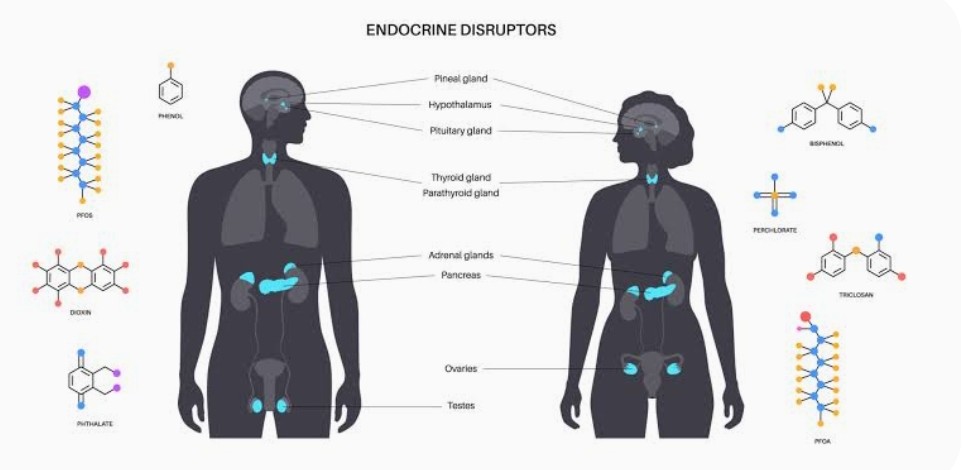
Global exposure to unregistered, hormone-disrupting industrial chemical mixtures incurs an annual healthcare and productivity cost exceeding 1.1 trillion dollars, according to a landmark 240-page assessment released on November 18, 2026. The joint publication by the United Nations Environment Programme and the World Health Organisation establishes a direct causal link between widespread synthetic polymerisation, endocrine-disrupting chemicals, and catastrophic multi-organ systems failure across global populations. Operating under a unified data framework, the multi-year study tracks the compounding impacts of microplastics, per- and polyfluoroalkyl substances, and heavy metal derivatives leaching directly into agricultural soils, municipal aquifers, and marine food systems. The findings reveal that current regulatory systems fail to categorise these complex molecular mixtures effectively, allowing dangerous chemical aggregates to bypass international border controls and industrial manufacturing standards with total impunity.
The structural evaluation focuses on the pervasive nature of plasticisers and flame retardants embedded within commercial infrastructure, packaging materials, and everyday consumer items. As global production volumes continue to accelerate, global environmental ecosystems are experiencing unprecedented rates of chemical bioaccumulation that permanently destabilise wildlife reproduction, pollinator networks, and avian populations. Scientists involved in the multi-centre research infrastructure warn that the atmospheric deposition of endocrine disruptors has reached the most remote corners of the planet, including polar ice caps and high-altitude alpine reserves. This planetary contamination loop systematically undermines global biodiversity goals while placing an unmanageable financial burden on state-funded public health systems and ecological remediation programmes.
Dr Inger Andersen, Executive Director of the United Nations Environment Programme, emphasized the immediate need for a binding international framework to penalise unchecked industrial outputs during the launch of the report. "The terrifying reality highlighted by this comprehensive assessment is that humanity has allowed synthetic chemical development to outpace global regulatory surveillance by several decades. We are witnessing an uncontrolled global experiment where the ecological and economic parameters of planetary health are being destabilised by unregulated polymerisation. Voluntary guidelines have failed completely, and nations must now organise a legally binding treaty that forces global chemical conglomerates to internalise the astronomical healthcare and environmental clean-up costs currently born by vulnerable populations."
The economic modeling within the report details how these chemical plumes affect workplace productivity, intellectual development capacity, and early-onset metabolic disorders, particularly across the Global South where waste processing infrastructure remains highly fragmented. The financial figures reveal that the annual 1.1 trillion dollar loss represents roughly two per cent of global gross domestic product, completely outpacing the economic benefits generated by the plastic and chemical manufacturing sectors combined. Furthermore, the report details how chemical contamination vectors intersect with climate-induced extreme weather events, as widespread regional flooding regularly breeches industrial containment ponds and releases millions of tonnes of unmonitored toxins directly into local agricultural belts.
Dr Maria Neira, Director of Environment, Climate Change and Health at the World Health Organisation, clarified the clinical and systemic danger posed by these persistent organic pollutants. "Our data demonstrates that chemical mixtures previously deemed safe in isolation become highly hazardous when interacting inside human and animal tissues. The structural disruption to human endocrine systems is triggering a global rise in chronic neurodevelopmental disorders, reproductive failures, and immune system collapses that our healthcare infrastructures cannot handle. We must immediately implement the precautionary principle on a global scale, ensuring that no industrial chemical is mass-produced until its long-term molecular stability and ecological safety are independently certified."
Global structural coordination and policy recommendations
The report outlines 10 immediate strategic actions required by member states to prevent total planetary chemical destabilisation before the turn of the decade. These include the immediate standardisation of chemical testing protocols, the implementation of strict liability laws for industrial polluters, and the rapid deployment of bio-based alternatives to replace persistent synthetic compounds. The United Nations is urging a massive modernisation of municipal waste treatment plants to intercept microscopic chemical matrices before they enter marine ecosystems, alongside a complete ban on non-essential plastic packaging materials by the year 2030.
Prof Andreas Kortenkamp, lead toxicologist and contributor to the international study, stressed the urgency of updating legacy risk assessment mechanisms. "The traditional methods used by national environmental protection frameworks to measure chemical toxicity are completely obsolete because they analyse single substances in isolation. In the real world, human communities and wildlife populations are exposed to a continuous cocktail of hundreds of synthetic compounds simultaneously. This atmospheric and aquatic mixture alters cellular functions at incredibly low doses, and without a radical shift toward mixture-based safety standards, our efforts to stabilise global public health and conserve biodiversity will remain completely ineffective."
Editor's Note
The devastating findings of this joint United Nations report serve as an undeniable signal that the global chemical economy must undergo an immediate, legally enforced structural transition. Governments can no longer treat synthetic chemical pollution as a secondary issue to climate change, as the twin crises are fundamentally intertwined and amplify each other's destructive impacts on global biosystems. The only viable path forward requires the establishment of a centralised global chemical regulatory authority empowered to enforce strict production limits, mandate full ingredient transparency across international supply chains, and levy substantial environmental remediation taxes on plastic manufacturers. Transitioning toward true green chemistry frameworks and holding corporate polluters directly accountable for the trillion-dollar healthcare burden is no longer a choice but a matter of absolute planetary survival.



Leave a comment