

TreeTake Network
The State Tiger Strike Force of Madhya Pradesh has entered a critical forensic analysis phase following the marathon interrogation of Wildlife SOS Chief Executive Officer Kartick Satyanarayan in connection with a major transboundary contraband network. The intensive questioning, which concluded at the regional enforcement headquarters in Shivpuri, focused on tracking potential operational links between licensed conservation networks and active poaching rings following the dramatic highway interception of ten poached leopard skins.
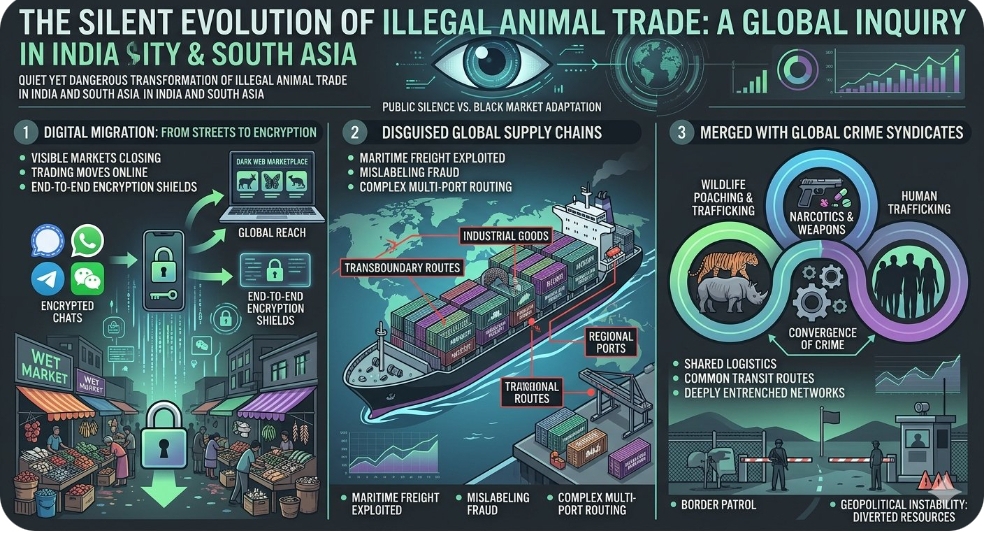
Investigative panels are working in coordination with the Wildlife Crime Control Bureau to cross-reference encrypted digital chat logs recovered from confiscated mobile devices. Cyber-forensic divisions are currently authenticating specific message timestamps that allegedly refer to a highly lucrative, cross-border live elephant transaction valued at 70 lakh rupees. While the non-governmental organisation has vehemently denied the allegations—reaffirming that the individuals implicated in the text logs severed all structural ties with the group a decade ago—judicial authorities have mandated absolute cooperation with ongoing field inquiries.
"The primary focus right now is establishing the exact timeline of the digital communications recovered from the suspects' phones," an investigative official privy to the probe stated on the condition of anonymity. "We are meticulously validating whether these encrypted conversations overlap with specific rescue operations conducted along the border regions."
A senior wildlife researcher closely tracking the case, also speaking on the condition of anonymity, added, "The implications of this probe are causing deep concern across the entire conservation sector. If institutional pipelines meant for animal welfare are found to have been compromised by local networks, it will force a complete overhaul of how NGOs and state forest departments collaborate on anti-poaching intelligence."
The enforcement push remains out of the public eye as state wildlife biologists await definitive genetic sequencing results from the Wildlife Institute of India in Dehradun. Technicians are currently cross-matching DNA samples from skeletal remains uncovered in the Kuno Wildlife Forest Division against the seized leopard hides to legally establish the precise locations of the poaching incidents. Although the Supreme Court of India has extended interim protection from immediate coercive arrest to the management team, regional panels emphasise that a comprehensive Forest Offence Report will be submitted to the magistracy the moment forensic verifications are finalised.
Editor's Note
The prolonged public silence surrounding high-profile conservation investigations frequently risks diluting collective vigilance and stalling structural reforms. When premier wildlife protection organisations face severe statutory scrutiny, the integrity of the nation's entire anti-poaching apparatus hangs in the balance. The way forward demands absolute transparency from state strike forces; shielding critical forensic outcomes from public knowledge only damages community trust. Regulatory bodies must expedite the release of the formal baseline findings to ensure accountability is upheld without paralysing legitimate rescue operations.



Leave a comment