

Tell-All
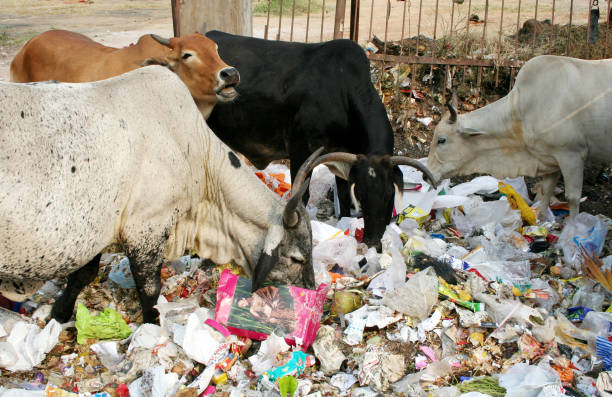
We asked: Logically speaking, can we actually find a true alternative to plastic that does not rely on cutting down more trees for paper packaging? If so, what is it? If not, what should be done to solve the plastic menace?
When we speak about the plastic menace, the conversation almost always begins with the same question: What can replace plastic? The obvious answer seems to be paper. But if replacing plastic means cutting down more trees, consuming more water and using more energy, have we really solved the problem or have we simply exchanged one environmental crisis with another? Perhaps we are asking the wrong question. Plastic itself is not the villain. It transformed medicine, food preservation, transportation and logistics because it is lightweight, durable, waterproof and affordable. The real problem is that we have chosen to use a material designed to last for centuries for products that remain useful for only a few minutes. Every alternative comes with its own environmental cost. Paper requires trees, water and energy. Glass is energy-intensive to manufacture and transport. Metals require mining. There may never be a perfect material that carries no environmental footprint. If that is the case, perhaps the true solution is not to keep searching for a better material, but to build better systems around the materials we already have. As an architect, I have come to realise that sustainability is rarely about finding a miracle product. It is about designing systems that make responsible behaviour the easiest behaviour. Take something as simple as a grocery bag. Today, many households have dozens of perfectly usable bags lying unused, while supermarkets continue producing new ones every day. Imagine if every supermarket had a simple community shelf where customers could donate clean, reusable bags they no longer needed. A shopper who forgot to carry a bag could simply pick one up, use it and perhaps return another during the next visit. Nothing new needs to be manufactured. We simply extend the life of something that already exists. The same thinking can apply to apartment communities. With online shopping becoming part of everyday life, residential buildings generate large quantities of cardboard boxes and protective packaging. Instead of immediately treating them as waste, apartment complexes could create dedicated packaging shelves where residents store clean boxes and packaging materials for neighbours, local businesses or delivery partners to reuse before they ever enter the recycling stream. Reuse should always come before recycling. But these systems can only succeed if they become part of our culture, and culture is shaped early. Schools should not merely teach sustainability; they should operate sustainably. Children learn far more from systems than from lessons. Imagine schools where students donate textbooks to the next batch, borrow sports equipment, share art materials, repair furniture where possible and practise proper waste segregation every day. A child who grows up seeing dignity in using a second-hand textbook is far more likely, years later, to choose a reused shopping bag over demanding a new one. Sustainability then stops being a chapter in a textbook and becomes a way of life. At the same time, responsibility cannot rest entirely on individuals. We often ask people to dispose of waste responsibly, yet many public bins overflow because they are not emptied on time. Even when people want to do the right thing, the system sometimes fails them. Sustainability must, therefore, be a shared responsibility between citizens, institutions, businesses and governments. Good intentions need good systems to succeed. Perhaps the greatest alternative to plastic is not another material at all. It is a culture that values every material enough to use it fully before replacing it. Before asking what new resource we must extract from the Earth, perhaps we should first ask a simpler question: Have we truly made the best use of what we already have? Because when we begin designing systems around that single idea, we reduce the need for both plastic and paper and move one step closer to a truly sustainable future.- Ar. Anand PJ, Architect, sustainable design enthusiast
Every few years, the world seems to discover a new ‘plastic alternative ’: paper, glass, bamboo, jute, seaweed and bioplastics—the list keeps growing. But before celebrating each new substitute, we should ask ourselves a fundamental question: Can we truly replace plastic without creating another environmental crisis? If replacing plastic means cutting down more trees for paper packaging, consuming more water and energy or shifting the burden to another natural resource, are we really solving the problem—or simply transferring it? Perhaps the real issue is not plastic itself. Plastic was once considered one of humanity's greatest innovations. It replaced ivory, reducing pressure on elephants. It substituted wood in countless applications, helping conserve forests. It enabled life-saving medical devices, transformed food preservation, powered modern electronics, made transportation lighter and more fuel-efficient and brought affordable products within reach of billions of people. When the first fully synthetic plastic was invented, it represented scientific progress and the promise of reducing humanity's dependence on finite natural resources. So, what went wrong? I believe we took a wrong turn somewhere in our journey. Somewhere along the way, we stopped treating plastic as a valuable material and thought of it as a disposable convenience. We designed products for minutes of use but used materials that could last for centuries. Worse, we disposed of them without responsibility, allowing valuable resources to become environmental pollutants. Plastic did not fail us. Our systems did. Today, much of the global discussion revolves around eliminating plastic altogether. While reducing unnecessary plastic is important, replacing every plastic product overnight is neither practical nor environmentally sound. Many alternatives carry their own ecological footprints. Paper requires forests, water and energy. Glass is heavy and energy-intensive to manufacture and transport. Metals require mining. Even many bioplastics depend on agricultural land and often lack proper composting infrastructure. The goal should not be to wage war against plastic. The goal should be to end plastic pollution. To achieve that, we need a balanced and phased approach. The first priority should be plastic literacy. Most people still do not understand the different types of plastics, those which are recyclable, others which are not or how proper segregation can significantly improve recycling rates. Without public awareness, source segregation will remain a distant dream. Plastic literacy should become as important as digital literacy or financial literacy. Secondly, we must recognise an uncomfortable truth: Plastic is not the problem. Low-value plastic is. High-value plastics already have established recycling markets because they possess economic value. The real challenge lies with low-value, multi-layered, flexible plastics that have little or no market demand and end up in rivers, landfills or the environment. Hence, our solutions must evolve in phases. The short-term solutions would be to build better waste systems, make source segregation universal, strengthen collection and sorting infrastructure, expand recycling technologies, improve recovery of low-value plastics and prevent plastic leakage into rivers and oceans. Medium-term solutions include redesigning the system design plastics for recyclability from the beginning, reducing unnecessary packaging, promoting responsible instead of convenience-driven consumption, creating stronger markets for recycled plastic products and encouraging industries to use recycled content through policy and incentives. Long-term solutions include responsible transition, developing environmentally sustainable alternatives where they genuinely outperform plastic across their entire life cycle, scaling circular economy models, investing in material innovation without creating new ecological burdens and gradually replacing plastics only where alternatives are scientifically, economically and environmentally superior. Ultimately, the future is not about choosing between plastic and paper. It is about choosing responsibility over convenience. A circular economy does not ask us to eliminate materials; it asks us to value them, recover them and keep them in use for as long as possible. Plastic should never have been treated as waste. It should have been treated as a resource. Perhaps the solution to the plastic menace is not simply finding another material. Perhaps it is learning how to use the materials we already have—with intelligence, responsibility, and respect for the planet. -Yashwant Deval,Area Director – India and Bangladesh, Riverrecycle Ltd, Finland, Member – IUCN Commission on Environmental, Economic and Social Policy (CEESP)
The global concern over plastic pollution has led many people to advocate replacing plastic with paper. At first glance, this seems like an ideal solution. However, when examined logically, it becomes evident that paper is not a universal substitute. Large-scale replacement of plastic with paper would require enormous quantities of wood pulp, increasing pressure on forests, biodiversity, water resources and energy consumption. Saving our oceans by sacrificing our forests is not a sustainable trade-off. The truth is that there is no single material today that can completely replace plastic in every application. Plastic became popular because it is lightweight, durable, waterproof, hygienic and inexpensive. Medical equipment, food preservation, transportation and countless everyday products rely on these unique properties. Therefore, the real challenge is not merely replacing plastic but using it wisely and responsibly. The solution lies in adopting a circular economy, where materials remain in use for as long as possible. Instead of a ‘take, make and dispose’ model, products should be designed for reuse, repair and recycling. Governments must strengthen waste segregation at source, invest in modern recycling infrastructure and enforce Extended Producer Responsibility (EPR), making manufacturers responsible for collecting and recycling the packaging they introduce into the market. At the same time, innovation should focus on alternatives made from agricultural residues such as bagasse (sugarcane waste), wheat straw, rice husk, bamboo, hemp, banana fibre, coconut coir and mycelium (mushroom-based materials). These renewable resources can produce packaging without cutting down additional trees and often utilise agricultural waste that would otherwise be burned or discarded. Bioplastics made from algae or plant starch also show promise, though they require careful evaluation to ensure they are truly biodegradable under real-world conditions and do not compete with food production. Consumers also have an equally important role. The most sustainable product is often the one we do not use. Carrying reusable shopping bags, refillable bottles, steel or glass containers and refusing unnecessary single-use items can significantly reduce plastic waste. Education and behavioural change are just as essential as technological innovation. Ultimately, the answer is not to search for one perfect replacement for plastic, but to combine smarter material choices, responsible consumption, efficient recycling, scientific innovation and strong environmental policies. Plastic itself is not the enemy; plastic pollution is. By reducing unnecessary use, improving waste management and embracing sustainable alternatives where appropriate, we can protect both our forests and our oceans while building a cleaner, more resilient future for generations to come. – HN Singh, Lions International Faculty, SPHEEHA Member, Naturalist, HAM Radio Licence VU2YUH, Trekker & Mountaineer
The global dilemma surrounding plastic has long trapped us in a false dichotomy: either we continue choke-holding our ecosystems with non-biodegradable petroleum products, or we sacrifice our forests to feed an insatiable demand for paper packaging. Fortunately, science and nature have provided alternatives to plastic that require neither fossil fuels nor a single fallen tree. The frontier of sustainable packaging lies in utilising rapidly renewable marine organisms and agricultural byproducts. 1. Seaweed-based films: For flexible packaging, sachets, and thin films—seaweed is a miraculous substitute. Unlike terrestrial crops, seaweed grows at incredibly rapid rates without requiring freshwater, chemical fertilisers or arable land. Pioneers in materials science have successfully processed marine algae into transparent, durable films that match the tensile strength of traditional polymers. Most importantly, seaweed packaging is entirely home-compostable and safely biodegrades in marine environments within weeks, eliminating the threat of microplastics while actively absorbing carbon dioxide during its growth phase. 2. Mycelium-based biocomposites: To replace rigid plastics, expanded polystyrene (Styrofoam), and heavy moulded packaging, we can look to the underground root networks of fungi: mycelium. By cultivating specific fungal strains on agricultural waste—such as crop residues, rice husks, wheat straw, or sugarcane bagasse—manufacturers can literally ‘grow’ custom-shaped packaging in a matter of days. The mycelium acts as a natural, organic binder, cementing the agricultural waste into a lightweight, shock-absorbent, water-resistant and fire-retardant structural material. Once dried, it halts growth and remains stable until it is discarded, where it decomposes entirely in backyard compost bins within 30 to 90 days. By combining the flexible properties of seaweed with the structural rigidity of mycelium, we can construct a completely circular packaging economy. These materials do not compete with food security, nor do they put pressure on forestry. To completely overcome the plastic menace, governments must subsidise these bio-based industries to help them achieve the economies of scale necessary to compete with cheap petroleum. -Manoj Chaturvedi,Branch Head, Bandhan Bank Ltd
Every few years, a new villain enters the environmental conversation, and plastic has held that spot longer than most. The instinctive response has been to swap it for paper —bags, straws and cutlery. But this trade quietly creates a second problem: more paper means more pulp, and more pulp means more trees felled. So the real question isn't paper or plastic. It is whether humanity can find something that avoids both landfill-choking plastic and forest-thinning paper. Plastic's core appeal is that it is cheap, light, waterproof, and durable — qualities that make it ideal for packaging but disastrous for disposal, since that same durability means it lingers in soil and oceans for centuries. Paper solves the disposal problem because it is biodegradable, but it sacrifices durability and costs more resources — water, energy, and trees — to produce in bulk. Logically, then, a genuine alternative must satisfy three conditions simultaneously:1. It must perform like plastic (strong, moisture-resistant, and mouldable). 2. It must decompose like a natural material (no centuries-long persistence).3. It must not depend on cutting down trees at the scale modern packaging demands. The good news: such materials already exist, though not yet at a planet-saving scale. Mycelium packaging — grown from mushroom root structures fed on agricultural waste like corn husks or saw-dust, it is perhaps the closest thing to an ideal answer. Companies like Ecovative have used it to replace polystyrene foam in shipping. It's compostable in weeks, requires no trees and uses farm waste that would otherwise be discarded. Agricultural residue materials — bagasse (sugarcane fibre), wheat straw and rice husk — are compressed into plates, cups, and containers. These are by-products of farming that already happens, so no additional land or trees are consumed; the material would otherwise be burned or left to rot. Bacterial cellulose and PHA bioplastics, grown by micro-organisms feeding on sugars or even carbon waste, can be engineered to have plastic-like flexibility while fully breaking down in soil or seawater within months. The alternatives satisfy all three conditions that exist. The catch is scale, cost, and infrastructure, as mycelium and seaweed packaging still cost more per unit than plastic, and the industrial capacity to produce them at Amazon-warehouse volume doesn't yet exist. Given that a perfect, instantly scalable substitute is not sitting on shelves everywhere, tackling the ‘plastic menace’ needs a layered approach.1. Re-design before replacing: Not every use of plastic needs a material substitute — some need reduction. A significant share of packaging is excessive by design, not by necessity. 2. Invest in agricultural-waste materials first: Bagasse, husk, and straw-based packaging-use resources that already exist as waste, making them the fastest to scale without new environmental cost. 3. Build recycling and reuse systems that plastic never got. Much plastic pollution stems not from the material itself but from poor collection and recycling infrastructure. Reuse- refill models (like bulk-dispensing stores) cut down demand for single-use packaging of any kind, plastic or paper. 4. Support fermentation-based bio-plastics through policy, not just innovation: Government incentives, similar to early solar subsidies, could push down the cost of PHA and bacterial cellulose materials until they compete with plastic on price. 5. Regulate paper sourcing strictly. Though paper is genuinely the best option, it would require certified use and responsibly harvested or recycled fibre, so that the solution does not create a deforestation crisis. Honestly speaking, a true alternative to plastic that does not rely on cutting down more trees is not yet possible, whereas the other forms like mushroom-based packaging, seaweed films and crop-waste materials are still in their early stages. What is missing is not scientific proof of concept but its production at industrial scale, cost parity and consumer habit-change. Therefore, the plastic menace is not a problem awaiting a miracle material. It is a problem that has been awaiting the same seriousness in the form of investment, regulation and behavioural shift that was once poured into scaling plastic itself in the twentieth century. Nature has already provided us with many different materials for the replacement of plastic. Now it is for us to design and build a roadmap to get rid of this menace once and for all. -Dr Siddharatha Sharma, MCSFS, WILLIFER, Anthropologist; Wildlife Forensics Expert; Conservation Educator; Environmental Professional
एक तरीका यह है कि अलग-अलग जरूरतों के लिए अलग-अलग मटीरियल चुनें और सबसे पहले तो गैर-जरूरी पैकेजिंग को कम करें। कुछ अच्छे विकल्प कचरे या तेजी से बढ़ने वाले प्राकृतिक स्रोतों से मिलते हैं। खेती से निकलने वाले कचरे जैसे पुआल, गन्ने की खोई, धान की भूसी और मक्के के बचे हुए हिस्सों से बनी चीजों का इस्तेमाल ट्रे, डिब्बे और डिस्पोजेबल आइटम बनाने में किया जा सकता है। बिना लकड़ी वाले रेशे जैसे हेम्प, बांस और केनाफ भी पेड़ से बनने वाले कागज पर निर्भरता कम कर सकते हैं। कुछ मामलों में, माइसेलियम, समुद्री शैवाल या एल्गी (काई) से बनी पैकेजिंग प्लास्टिक की जगह ले सकती है, खासकर हल्की और कुछ समय के लिए इस्तेमाल होने वाली पैकेजिंग के लिए। ये मटीरियल इसलिए अच्छे हैं क्योंकि इनमें ऐसे संसाधनों का इस्तेमाल होता है जो दोबारा बन सकते हैं और इनसे प्रदूषण भी कम हो सकता है। हालांकि, हर विकल्प की अपनी सीमाएं होती हैं। कुछ के उत्पादन के लिए जमीन, पानी या ऊर्जा की जरूरत होती है, और कुछ केवल खास स्थितियों में ही काम करते हैं। इसीलिए प्लास्टिक की जगह सिर्फ कागज का इस्तेमाल करना पूरा समाधान नहीं है, खासकर तब जब इससे और ज्यादा पेड़ काटे जाएं। असली समाधान यह है कि जहां भी संभव हो, दोबारा इस्तेमाल होने वाले कंटेनर, रिफिल सिस्टम और मजबूत पैकेजिंग का इस्तेमाल किया जाए। अगर सिंगल-यूज पैकेजिंग से बचना मुमकिन न हो, तो रीसायकल किए गए कचरे, खेती से बचे अवशेषों या पेड़ों के अलावा अन्य स्रोतों से बनी चीजों को प्राथमिकता दी जानी चाहिए। प्लास्टिक की समस्या से निपटने के लिए समाज को इसके इस्तेमाल को कम करने, ज्यादा दोबारा इस्तेमाल करने, सही ढंग से रीसायकल करने और हानिकारक सिंगल-यूज प्लास्टिक के खिलाफ कड़े कानून बनाने पर ध्यान देना चाहिए। सरकार को कचरा इकट्ठा करने की बेहतर व्यवस्था का समर्थन करना चाहिए और पर्यावरण के अनुकूल पैकेजिंग उद्योगों को बढ़ावा देना चाहिए। लोगों को भी कम पैकेजिंग वाले उत्पाद चुनने चाहिए और रिफिल व दोबारा इस्तेमाल करने की आदतों को अपनाना चाहिए। इस तरह, हम जंगलों के लिए कोई नई समस्या पैदा किए बिना प्लास्टिक प्रदूषण से लड़ सकते हैं। - डॉ. मोनिका रघुवंशी, लेखिका, पत्रकार एवम् सामाजिक कार्यकर्ता
Topic of the month: Lack of gardens and unpaved (kutcha) surfaces or setbacks in modern housing significantly harms underground water percolation and the broader environment. What do you think should be done to offset such urban concretisation or ground sealing? Send your replies in not more than 500 words, either in Hindi or English, to [email protected] along with your recent photo and designation.


Leave a comment