

Thinking Point
Preeti Goswami
Advocate, High Court Nainital. Para Sports player, social worker in Uttarakhand
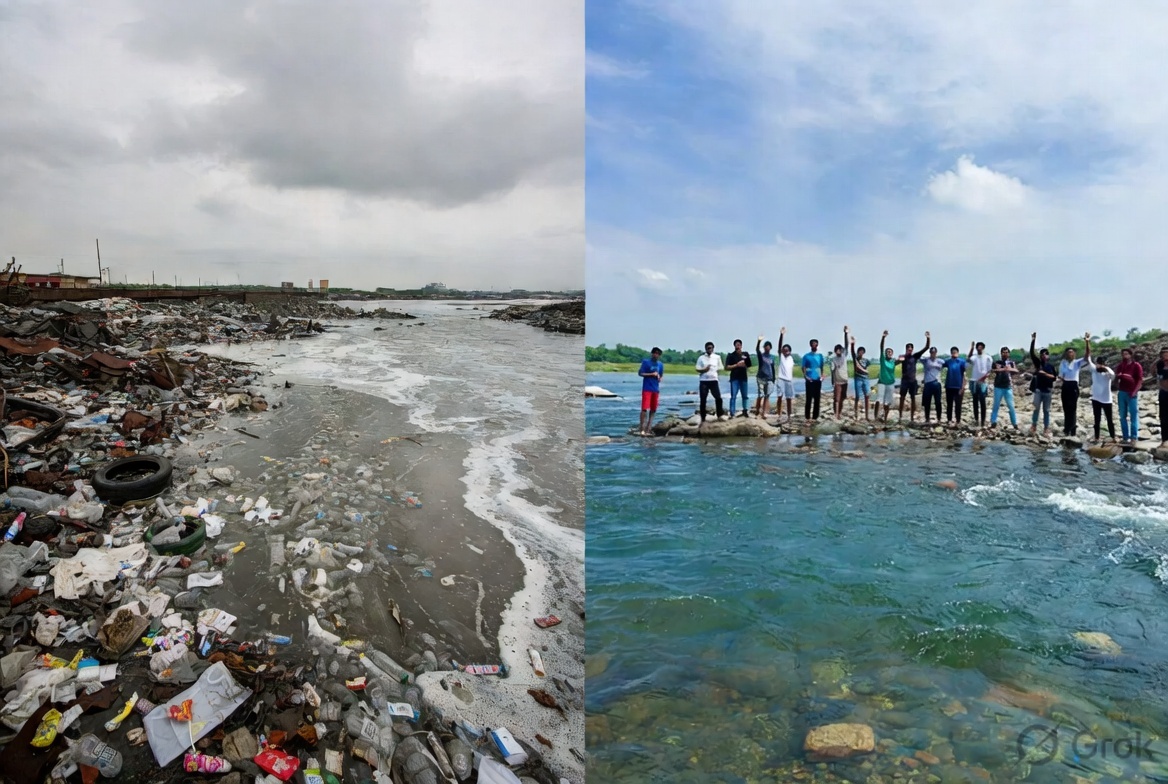
In the heart of India’s villages and cities, a quiet but powerful revolution is unfolding. Gen Z, often criticised for screen addiction and fleeting trends, is emerging as a force of environmental change. Young people are organising massive cleanup drives, collecting plastic waste and confronting India’s chronic lack of civic sense head-on.
One standout story comes from 21-year-old Aakash Gupta in Basti district, Uttar Pradesh.
The Manorama River had turned into a garbage dump, choked with plastic and waste that the government had failed to clean for years. Aakash started alone, armed with just a sack. Six or seven local boys soon joined him. Working four to five hours daily in filthy water, facing infections, snake bites and sharp debris, they removed over 500 kilograms of waste in 39 days. The murky river began flowing visibly again, bringing back life and hope to the community. His effort shows that real change often starts with one determined young person.
In the hills of Uttarakhand, organisations like Waste Warriors are mobilising Gen Z and school children through their YUWA programme. Over 6,000 students from more than 50 schools in Dehradun have taken part in clean-ups, workshops and awareness drives.
Young leaders like Pragya, Vanshikha Sharma and Riya Rajput are guiding these efforts, teaching peers the three Rs — reduce, reuse, recycle. Bharat Scouts and Guides are also deeply involved, running beach and river clean-ups across the country and instilling discipline and responsibility in lakhs of young volunteers.
The outcomes of these drives go far beyond cleaner surroundings. Repeated clean-ups are genuinely building civic sense. In many areas, locals who once littered now hesitate.
Participants carry the habit home, influencing families and entire neighbourhoods. Littering has visibly dropped in cleaned zones, community bonds have strengthened and young people report feeling greater personal accountability. These efforts are creating a cultural shift —from passive neglect to active ownership.
Yet India’s challenges run deep. Mountains and rivers are drowning in plastic bottles, wrappers and cups discarded by careless tourists and locals. In the Himalayas, this waste pollutes natural water springs, clogs rivers and creates open dumps that attract wild animals, putting both humans and wildlife at risk. Forest fires, partly worsened by dry waste, destroy jungles and biodiversity. People in the hills seem to have lost their traditional connection with nature. Clean-up drives alone aren’t enough — we need broader environmental awareness to stop forest burning, conserve wildlife, and protect water sources.
It is the need of the hour for India. Gen Z’s movement can push the government to launch encouragement programmes, awards, small grants or recognition schemes for youth-led initiatives. When young people clean, it should trigger official collection drives, proper recycling facilities and stricter waste management, especially in sensitive mountain regions.
Long-term, these efforts carry a huge impact. Reduced plastic pollution means cleaner rivers and healthier ecosystems for future generations. It slows environmental destruction, improves public health and helps India meet its climate goals. A nation with a strong civic sense —where people queue properly, respect public property, and don’t litter — will be better positioned as a global leader.
Civic sense must be taught from primary school. Children need lessons not just in books, but in responsibility — keeping spaces clean, living in sync with nature, and understanding that our actions today shape the planet’s tomorrow. The government cannot do this alone. Every citizen must internalise it.
Gen Z is answering the Earth’s call. Their energy, combined with sustained government support, proper recycling and conservation efforts, can create lasting change. From Uttar Pradesh rivers to Himalayan trails, these young warriors are proving that hope lies in action. The trend must continue because a cleaner, more responsible India starts with each one of us choosing to care.



Leave a comment