

Tell-All
We asked: Do you think unmindfully bred pigeons in urban areas are driving out native birds like sparrows or crows?
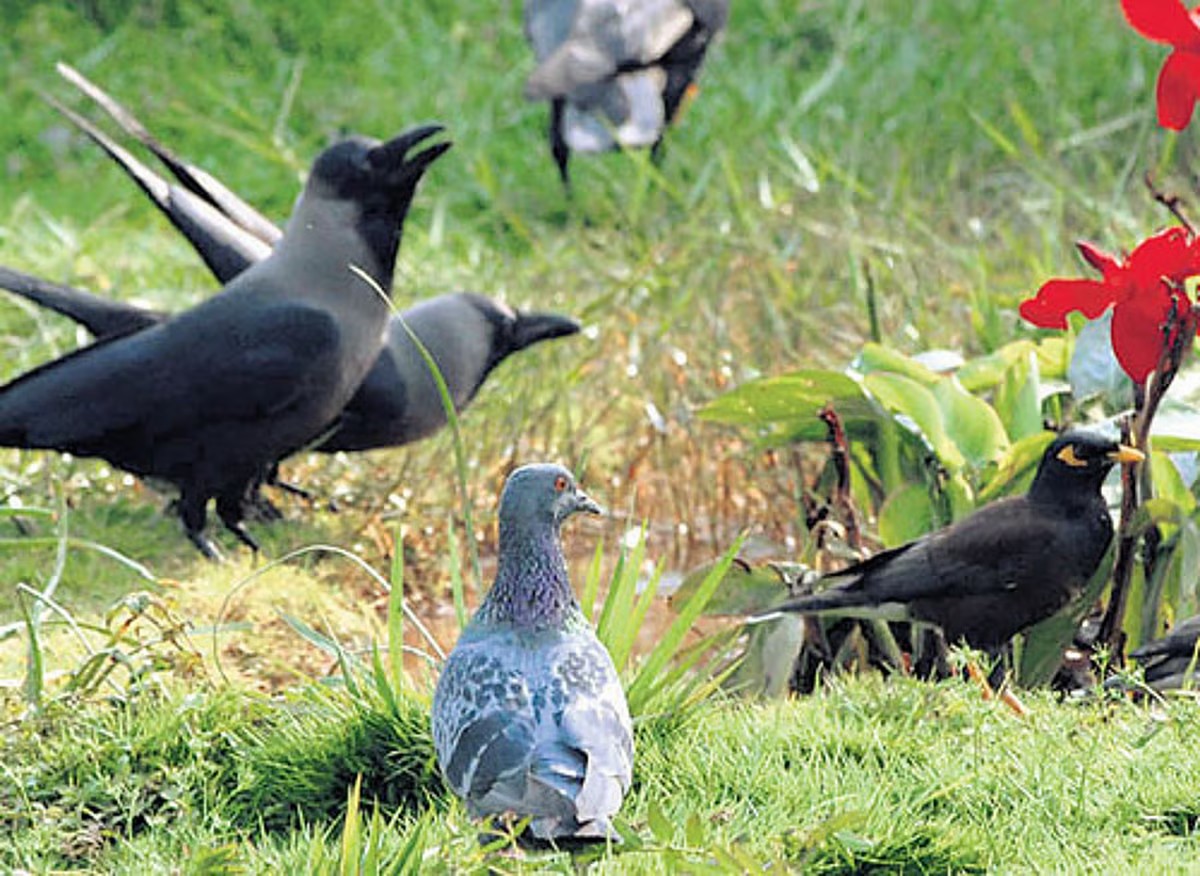
India’s skies are changing quietly. The familiar cawing of crows that once echoed through neighbourhoods, village courtyards, railway stations, and bustling markets is fading in many parts of the country. In their place, growing flocks of pigeons now dominate balconies, flyovers, temple grounds, and apartment complexes. At first glance, this may appear to be just another urban change. But environmentalists and bird lovers believe it reflects a deeper ecological imbalance — one created largely by human habits. For generations, Indians shared a close relationship with crows. They were not merely birds perched on electric wires; they were woven into our childhood stories, traditions, and daily rhythms of life. Many of us grew up listening to the famous fable of the “Thirsty Crow.” A thirsty crow finds a pot with very little water at the bottom. Unable to reach it, the clever bird drops pebbles into the pot one by one until the water rises high enough for it to drink. Through this simple story, children learned lessons of intelligence, patience, and perseverance. As children, we looked at crows differently after hearing that tale. We watched them from terraces and verandahs, fascinated by their alertness and sharp eyes. There was something deeply intelligent and almost human about them. I still remember summer afternoons when a crow would regularly visit our balcony railing, tilting its head as if trying to start a conversation. Sometimes it tapped gently near the window until water or leftover roti was placed outside. Over time, it no longer felt like a random bird from the sky. It became a familiar visitor, almost a silent member of the neighbourhood. Today, such moments are becoming rare. Ironically, the same society that once taught children moral lessons through stories of the clever crow is slowly witnessing its disappearance. The decline of crows is far more serious than most people realise because crows play a vital role in maintaining environmental health. Often called “nature’s cleaners,” crows are scavengers that feed on decaying matter, dead animals, insects, leftover food, and organic waste. By clearing garbage and carrion, they help prevent the spread of harmful bacteria and disease. Long before modern waste management systems existed, crows silently performed the work of natural sanitation workers. They also help control insect populations and maintain ecological balance within urban ecosystems. What is remarkable is that our ancestors understood their importance centuries ago, even without scientific studies. In Hindu traditions, feeding crows holds deep spiritual significance. During Shraddha and Pitru Paksha rituals, food is first offered to crows before anyone else eats. Many families believe that ancestors accept offerings through them, and several rituals are considered incomplete if crows do not come to eat. Ancient customs often carried ecological wisdom hidden within spiritual practices. By respecting and feeding crows, society unknowingly protected a bird species essential for environmental cleanliness and balance. Yet today, crows are disappearing from many cities, and the reasons are both environmental and man-made. Rapid urbanisation has destroyed old trees where they had nested for generations. Expanding roads, high-rise buildings, and shrinking green spaces have forced crows away from their natural habitats. Another major reason is the lack of open organic waste. Earlier, traditional neighbourhoods produced biodegradable kitchen waste and open spaces where crows could find food easily. Today, sealed garbage systems and packaged waste have reduced their natural food sources. Pollution and excessive pesticide use have further worsened the situation. Chemicals used in farming and pest control reduce insect populations — an important food source for birds — while also affecting their health and reproduction. At the same time, pigeon populations are increasing at an extraordinary rate. Across Indian cities, feeding pigeons has become a common practice associated with kindness and religious merit. Every morning, people gather in parks, roadside spaces, and temple grounds carrying bags of grain for pigeons. While feeding birds may come from compassion, constant large-scale feeding creates unnatural population explosions. Unlike crows, pigeons contribute very little toward environmental cleaning. Instead, overcrowded pigeon populations are creating serious health and sanitation concerns. Pigeon droppings are highly acidic and damage buildings, monuments, air conditioners, balconies, and public spaces. More importantly, pigeon droppings can contain fungi, bacteria, and parasites associated with respiratory illnesses and allergies. In crowded urban areas, dried droppings mix with dust and become airborne, affecting air quality and human health. Doctors in several Indian cities have increasingly warned about lung sensitivities linked to prolonged exposure to pigeon-infested surroundings. The contrast is striking. The crow — intelligent, useful, and ecologically important — is declining. The pigeon — heavily dependent on human feeding — is multiplying rapidly. This does not mean pigeons should be hated or harmed. Every species has a role in nature. The real problem begins when human behaviour artificially supports one species so excessively that ecological balance is disturbed. So what can be done to bring crows back? The first step is restoring green cover. Cities must protect old trees and plant native species where crows can safely nest. Reducing excessive pesticide use and preserving biodiversity are equally important. People can help in simple ways — by keeping bowls of water during summer, leaving small amounts of natural food in open spaces, and supporting cleaner yet bird-friendly waste systems. Instead of feeding thousands of pigeons daily, efforts should focus on maintaining balance among different bird species. Schools and environmental groups can also spread awareness about the ecological importance of crows. Children who once learned about the clever “Thirsty Crow” through storybooks should also learn why saving crows matters in real life. Perhaps what we need today is not just better environmental policies, but also a return to ecological wisdom — the understanding our ancestors quietly embedded within stories, rituals, and everyday life. The fading caw of the crow is more than the disappearance of a bird’s voice from our mornings. It is nature’s warning bell — reminding us that when balance disappears from the environment, the consequences eventually reach human life as well. - Shachi Rao, the writer, has taught in schools and colleges in India and abroad. A yoga and meditation practitioner trained in Rishikesh, the author now conducts meditation classes. An environment enthusiast and self-taught artist, Shachi works mainly in oil and fabric painting.
Many people today believe that pigeons are the reason sparrows and other native birds are disappearing from Indian cities. But I feel the reality is more complicated and perhaps uncomfortable for us as humans. Pigeons are not new to cities. They have lived around forts, railway stations, old buildings, bridges, and crowded marketplaces for centuries. In many ways, pigeons are naturally suited to concrete environments because their ancestors originally lived around rocky cliffs and hard surfaces. So, when our cities slowly transformed into endless stretches of cement, flyovers, glass buildings, and underpasses, pigeons simply adapted better than many other birds. The bigger question is not why pigeons increased, but why other birds decreased. Birds like sparrows, bulbuls, parrots, sunbirds, and even crows depend heavily on trees and functioning urban ecosystems. Sparrows especially need small nesting spaces, nearby shrubs, insects to feed their chicks, and relatively quieter surroundings. Earlier Indian neighbourhoods naturally provided this environment. Houses had small openings, tiled roofs, courtyards, and large trees like neem, banyan, peepal, mango, and jamun. These trees were not just “greenery”; they were homes for hundreds of birds, insects, and small organisms. But modern urbanisation has changed everything. We cut mature trees to widen roads, build parking spaces, construct towers, and expand infrastructure. Lakes and wetlands disappeared. Native plants were replaced with decorative landscaping. Buildings became sealed glass structures with no nesting corners. At the same time, pesticides and pollution reduced insect populations, which are extremely important for many birds, especially during the breeding season. Scientific studies on sparrow decline in India and other countries show that habitat loss, reduction in food sources, changing architecture, pollution, and ecological imbalance are major reasons behind their decline. Pigeons may compete for space in some places, but they are usually not considered the primary cause of the disappearance of native birds. In fact, pigeons are surviving because cities are increasingly designed in ways that support only a few highly adaptable species. Concrete structures, ledges, abandoned corners, food waste, and human feeding habits create ideal conditions for them. Other birds simply cannot adjust so easily to these harsh urban conditions. Sometimes I feel we unfairly blame pigeons because they are the most visible birds left in our cities. But if tomorrow all pigeons disappeared, would sparrows automatically come back? Probably not. Because the real issue remains — the trees are gone, nesting ecosystems are gone, wetlands are gone, and biodiversity is shrinking rapidly. A healthy city should support many kinds of birds, not just the species that can survive among concrete and waste. The solution is not hatred toward pigeons, but more thoughtful urban planning. Cities need native trees, cleaner water bodies, ecological spaces, bird-friendly architecture, and protection of old green cover. Otherwise, we will continue creating cities where only the toughest species survive while the rest slowly disappear. Pigeons did not destroy urban biodiversity alone. In many ways, they are simply the birds that managed to survive the cities humans redesigned without thinking about nature. -Dr Siddharatha Sharma, MCSFS, WILLIFER, Anthropologist; Wildlife Forensics Expert; Conservation Educator; Environmental Professional
In the early mornings of Indian towns and cities, one could once hear a beautiful orchestra of nature, the cheerful chirping of sparrows, the melodious calls of bulbuls, the cawing of crows, and the fluttering of mynas around courtyards and rooftops. Today, however, in many urban landscapes, this rich diversity has been replaced by the repetitive cooing of pigeons. Large flocks of feral pigeons dominate railway stations, markets, apartment balconies, and public squares. Their numbers continue to rise at an alarming pace. This raises an important ecological question: are unmindfully bred and overfed pigeons slowly driving away native birds such as sparrows and crows from our cities? The answer is not simple, but there is growing concern among ornithologists, environmentalists, and nature lovers that unchecked pigeon populations are indeed disturbing urban bird ecology. The pigeon, particularly the Rock Pigeon, has adapted exceptionally well to city life. Tall buildings imitate natural cliffs where they originally nested. Human settlements provide unlimited food in the form of grains, food waste, and deliberate feeding by people. In many cities, feeding pigeons is considered an act of kindness or religious merit. As a result, pigeon populations multiply rapidly. Unlike many native birds that require trees, shrubs, insects, or clean ecological niches, pigeons survive almost entirely through human dependency. They breed throughout the year and reproduce quickly. In crowded urban zones, their overwhelming presence changes the balance of bird populations. One major concern is competition. Urban ecosystems have limited nesting spaces and food resources. Sparrows, for example, prefer cavities in walls, roofs, and old-style homes for nesting. Modern construction has already reduced such habitats drastically. When pigeons occupy every available ledge, balcony, and crevice, smaller native birds lose precious nesting opportunities. Similarly, crows and mynas depend on diverse food sources and trees for nesting. Excessive pigeon populations can alter feeding patterns and crowd out other species from public spaces. Though pigeons may not directly attack sparrows or crows, ecological pressure gradually reduces the comfort and survival chances of native birds. The decline of the House Sparrow in Indian cities has become symbolic of urban ecological imbalance. Multiple factors are responsible: loss of nesting sites, pollution, pesticides, mobile tower radiation debates, and changing architecture. Yet the unchecked rise of pigeons adds another layer to this problem. Sparrows are delicate, agile birds that thrive in balanced environments. They cannot compete with large pigeon flocks for food and habitat. Pigeons consume grains aggressively and dominate feeding spaces. In residential colonies where hundreds of pigeons gather daily, sparrows are rarely seen. The silence left behind by disappearing sparrows is not merely emotional; it reflects a weakening urban ecosystem. Overpopulation of pigeons also creates sanitation and health issues. Their droppings damage buildings, monuments, and public infrastructure. Excessive accumulation of pigeon waste can spread fungal infections and respiratory allergies. Large flocks attract mites and parasites, affecting both humans and other birds. From an environmental perspective, any single species dominating an ecosystem is unhealthy. Biodiversity ensures ecological stability. A city full of only pigeons is as ecologically concerning as a forest with only one type of tree. Nature flourishes through balance, not excess. It is important to clarify that pigeons themselves are not “villains.” They are intelligent, adaptable creatures simply responding to opportunities created by humans. The real issue lies in irresponsible human behaviour. In many cities, people feed pigeons in enormous quantities every day without understanding the ecological consequences. Commercial pigeon breeding and intentional release practices further increase populations. Urban planning rarely considers balanced bird habitats. Instead of supporting only pigeons, citizens should encourage biodiversity by planting native trees, creating water sources for all birds, reducing pesticide use, and protecting nesting spaces for sparrows, owls, mynas, and sunbirds. Cities can coexist with pigeons without allowing ecological imbalance. Several practical measures may help restore harmony: Discourage mass feeding of pigeons in crowded urban areas. Promote awareness about urban biodiversity. Install sparrow nests and bird-friendly architecture. Plant indigenous trees and shrubs that support insects and native birds. Preserve wetlands and green spaces. Encourage scientific urban wildlife management policies. Schools, resident welfare associations, municipal authorities, and environmental groups can work together to create healthier bird habitats. Birds are sensitive indicators of environmental health. When native species disappear, nature is sending us a warning. The growing dominance of pigeons in urban areas reflects deeper problems: shrinking green cover, unplanned urbanisation, and declining ecological awareness. India’s cities should not become concrete pigeon colonies devoid of avian diversity. The joyful sparrow at the window, the clever crow on the terrace, the bulbul in the garden, and the koel singing in summer are all part of our cultural and ecological heritage. The need of the hour is not hatred toward pigeons but mindful coexistence. Compassion toward one species should never lead to an imbalance that harms many others. If we truly love birds, we must protect the entire orchestra of urban nature, not just its loudest voice. – HN Singh, Lions International Faculty, SPHEEHA Member, Naturalist, HAM Radio Licence VU2YUH, Trekker & Mountaineer
For many of us, birds like sparrows and crows are not just species we grew up with. Their presence was so familiar that we rarely questioned it. They were part of everyday life, part of the background of childhood. It is only when we begin to notice their reduced presence that the question arises: what has changed? In recent years, pigeons seem to dominate urban environments, often leading to the concern that they are driving out native birds like sparrows or crows. But perhaps the more meaningful question is not whether pigeons are the problem, but what kind of environments our cities are creating and which species those environments favour. Cities are designed for humans, but they do not remain exclusively human spaces. Over time, they become shared ecosystems shaped by built form, vegetation, waste patterns, and human behaviour. Within this system, different species respond differently to the same conditions. Sparrows, for instance, depend on very specific environments. They require small nesting cavities, access to insects, and softer, more porous surroundings. As cities become more sealed with glass facades, flush finishes, reduced vegetation, and fewer insects due to pollution and pesticide use, these conditions begin to disappear. Their absence is not sudden, but gradual. Crows, on the other hand, are highly adaptable. Their intelligence allows them to navigate urban environments with relative ease, making use of varied food sources and nesting opportunities. This is why they continue to remain present, even as conditions shift. Pigeons are perhaps the most well-suited to the modern urban fabric. Descended from rock-dwelling birds, they naturally prefer ledges and flat surfaces for nesting. In many ways, our buildings' balconies, beams, flyovers, and facades function as artificial cliffs. Combined with a consistent supply of food, whether through waste or intentional feeding, cities become ideal habitats for them. This does not mean pigeons are directly driving other birds out. They are not aggressive displacers. However, their population growth, largely supported by human behaviour, creates an imbalance, where one species thrives disproportionately while others struggle due to a lack of suitable conditions. Human actions play a significant role in this pattern. In many cities, feeding pigeons is a common and culturally embedded practice. In places like Mumbai, pigeons are closely tied to the identity of the city. Even in Kochi, pigeon rearing and flying exist as part of local subcultures. These practices reflect care and continuity, but they also concentrate resources around a single species, unintentionally reinforcing its dominance. At the same time, urban environments are becoming increasingly uniform. Surfaces are sealed, vegetation is reduced, and micro-habitats are lost. What we are left with are spaces that are efficient for a few adaptable species, but less hospitable for many others. This is not a failure of nature, but a simplification of conditions. Perhaps the most important idea to recognise is this: birds do not see the world the way we do. They do not distinguish between “urban” and “forest” as separate categories. These are human constructs. For them, what matters is the availability of food, shelter, and safety. Wherever these exist, species will adapt and survive. From this perspective, the rise of pigeons is not the cause of imbalance, but a reflection of it. If the imbalance is a result of the conditions we have created, then the response must also begin there. Restoring diversity in cities does not always require large interventions. It can begin with smaller, more conscious shifts in how we shape our immediate surroundings. Introducing vegetation through home gardens, terrace planting, or native trees can help bring back insects, which are essential for many bird species. Avoiding excessive use of pesticides allows these micro-ecosystems to develop, rather than eliminating the base of the food chain. Even simple elements such as water sources or carefully considered feeding practices can support a wider range of species, provided they are not concentrated around a single kind of bird. The intention is not to attract more of one species, but to create conditions where multiple species can coexist. These actions may seem small, but they influence larger patterns. When repeated across homes and neighbourhoods, they begin to reshape the environment itself. Because, in the end, the question is not whether pigeons are taking over our cities. It is whether we have shaped our cities in ways that allow only a few species to belong and whether we are willing to change that. -Ar Anand PJ, Architect, sustainable design enthusiast
कबूतरों के आतंक से घरेलू गौरैया सहित अन्य चिड़ियां प्रभावित
शहरों में कबूतरों की बढ़ती संख्या ने जहां इंसान को परेशान कर रखा है वहीँ घर -आंगन की चिड़ियां घरेलू गौरैया और दूसरी चिड़ियों को हमसे दूर कर रहा है। शहरी इलाकों में कबूतर को दाना डालने की प्रवृत्ति ने इंसान और गौरैया का जीना मुहाल कर रखा है। गांव में घर के बाहर कबूतरों को मिट्टी की हांडी या टीन-लकड़ी से बने घरों में पाला जाता है, लेकिन शहरी क्षेत्र में परिंदों को दाना खिलाने के नाम पर सिर्फ कबूतरों को बिना सोचे समझे दाना खिला कर इंसान ने अपने आसपास पाल रखा है। लेकिन, उसके आतंक के बढ़ने से अब परेशान होकर जाली लगाने और लाख कोशिश के बाद भी कबूतर भाग नहीं रहे हैं। बिना सोचे-समझे अघोषित रूप से पाले जा रहे कबूतर अब गंभीर समस्या बन चुके हैं। गौरैया, मैना, बुलबुल, तोता, कौआ जैसे स्थानीय पक्षियों को इलाका छोड़ने पर मजबूर कर चुके हैं। देखा जाए तो गौरैया और कबूतर दो ही चिड़ियां घरेलू चिड़ियां है, जो इंसान के घर-आंगन या आसपास में रहते हैं। हालांकि मैना, बुलबुल आदि भी रहते हैं, लेकिन कबूतरों के आतंक से गौरैया, कौआ, मैना आदि चिड़ियां पलायन करने पर मजबूर है। गौरैया घर-आंगन में मजे से रहती थी लेकिन कबूतरों ने उसे भगा दिया है। और, उसके अधिवास को अपने कब्जे में ले लिया है। गौरैया संरक्षण में लगे लोगों कहते हैं, जैसे ही गौरैया के लिये दाना डालते हैं, कबूतर झुंड में आते हैं और मिनटों में सब चट कर जाते हैं। गौरैया दाना चुगाने आती है तो उसे भगा देते हैं, मजबूरन गौरैया कुछ दिन बाद इलाका छोड़ देती है। यही नहीं, गौरैया के लिये लगे कृत्रिम घोंसला पर कबूतर बैठा रहता है,ताकि गौरैया भाग जाये। ऐसे में इलाका कब्जा की प्रवृत्ति कबूतर में पुरजोर है। कबूतर ओवर ईटिंग और ओवर बीटिंग करता है साथ ही हर मौसम प्रजनन करता है। मादा कबूतर गमले में, एसी के पीछे, छज्जे कहीं भी जगह मिल जाये कुछ तिनका रख अंडे दे देती है। लेकिन गौरैया, कौआ, मैना, बुलबुल ऐसा नहीं करते हैं। कबूतरों ने आहार और जगह पर कब्जा जमा कर दूसरी चिड़ियों का आहार और आवास दोनों छीन लिया है। हमेशा प्रजनन से कबूतर की संख्या बहुत तेजी से बढ़ती जा रही है। और, ऊंची इमारतों में भी वे आसानी से रह लेते हैं। अक्सर कबूतर, गौरैया के घोंसले की जगह और खाने के स्रोत पर कब्जा कर लेते हैं। मुंबई, पुणे, दिल्ली सहित अन्य शहरों में कबूतरों की संख्या तेजी बढ़ गई है और समस्या भी बढ़ी है। कौवे भी कबूतरों की तरह शहरों में आराम से एडजस्ट कर लेते हैं। लेकिन, उनके सामने भी कबूतरों ने परेशानी खड़ी कर दी है। कौआ को सफाईकर्मी के तौर पर भी जाना जाता है। लेकिन गली मोहल्लों में कूड़ादान के खत्म होने और लोगों द्वारा घर के बाहर या दीवार पर बचे खाना को रखने की प्रवृत्ति के बंद कर देने से तस्वीर बदल गई है। कई बार कौआ को गौरैया के लिए रखे कच्चे चावल को खाते देखा। अगर कुछ खाना रखा भी जाता तो कबूतर तुरंत आ जाते। इंसान द्वारा कबूतरों को दाना-पानी देने का नजारा एक बालकोनी तक सीमित नहीं है, बल्कि दिल्ली, दिल्ली एनसीआर, राजस्थान, महाराष्ट्र, गुजरात, मध्यप्रदेश उत्तर प्रदेश, बिहार यों कहे कि पूरा हिंदुस्तान इसके आगोश में हैं। और हो भी क्यों नहीं, लोगों में धारणा है कि परिंदों को दाना डालने से घर में सुख-शांति-समृद्धि आती है। लेकिन परिंदों को डाले जाने वाले दाना-पानी पर सिर्फ कबूतरों का कब्जा होगा यह नहीं सोचा था। कई शहरों के तो चैक-चैराहों पर दाने बिकते भी हैं। लोग नियम से दाना डालने आते हैं। पक्षी प्रेम या आस्था ने इन्सान को ही खतरे में डाल दिया है। कबूतरों को दाना डालने से सुख-शांति-समृद्धि कम बीमारी जयादा मिलने लगी है, जो वैज्ञानिक सच्चाई के साथ हैं। कई लोग कबूतरों को नियम से पूजा स्थलों, चैक-चैराहों, घर की बालकोनी-छत और खुल्ले में दाना डालते है। कबूतरों का दाना डालना धर्म-कर्म से भी जोड़कर भी देखा जाता है। लेकिन क्या आप जानते है ऐसा करने से बड़ी संख्या में कबूतर आने लगते हैं और आपको बीमार दे जाते हैं। सबसे अहम् बात यह है कि कबूतर मल (गंदगी) बहुत करता है। अगर एक कबूतर को आप अच्छी तरह से दाना खिलाएं तो वह साल भर में करीब 12 किलो बीट कर देता है। कबूतर की बीट में कुछ परजीवी पैदा होते हैं जो हवा में जाकर इंफेक्शन फैलाते हैं और आपके फेफड़ों को खासा नुकसान पहुंचाते हैं। यह अस्थमा का कारण बन सकता है और आपको जल्दी इनका पता भी नहीं चलता है। आपके घर में लगे एसी के आसपास कबूतरों ने घोंसला बनाया है तो यह खतरा कई गुना बढ़ जाता है। कबूतरों के पास रहने से हाइपरसेंसिटिव निमोनिया बीमारी का खतरा पैदा होता है। महाराष्ट्र के कई शहरों में हाइपरसेंसिटिव निमोनिया के मामले बढ़ गए हैं। इसके लिए कबूतरों को बहुत बड़ा कारण माना जा रहा है। इसे देखते हुए ठाणे में कबूतरों को दाना डालने पर रोक लगा दी गई, साथ ही जुर्माना का भी प्रावधान किया गया है। कबूतरों की वजह से फेफड़े के इंफेक्शन में बढ़ोतरी हो रही है। इसलिए डॉक्टर सलाह दे रहे हैं, कि जहां भी कबूतर बड़ी तादाद में हैं, उनसे दूर रहे साथ ही घर से दूर रखने के लिए कबूतर वाले जालों का इस्तेमाल करने और उनकी गंदगी की नियमित सफाई करते रहे हैं । चिकित्सक कहते हैं अगर सही समय पर आवश्यक इलाज नहीं हुआ तो इससे पीड़ित 15 फीसदी लोगों की मौत तक होने का खतरा है। कबूतरों को दाना देने के पीछे जो भी तर्क हो, दिल्ली, जयपुर, मुंबई सहित कई शहरों के चैक चैराहे पर कबूतरों का सम्राज्य कायम हो गया है। हालात यह है कि कबूतरों के अलावे दूसरी चिडियों वहाँ नहीं दिखती है। दिल्ली की राजकीय पक्षी गौरैया नहीं दिखती हैं, सच है। गौरैया की घर वापसी पहल पर कबूतरों का कब्जा हो जाता है, बल्कि इनका आतंक इतना हो गया है कि लोग इसे अपने घर आंगन में आने से रोकने के लिए नेट लगवाते हैं। बहरहाल, पक्षियों का संरक्षण जरुर करें, लेकिन जो खतरा कबूतर पैदा कर रहे हैं, उससे उचित दूरी बनाये रखने में ही हमसब की भलाई है। Sanjay Kumar, डीडीन्यूज नई दिल्ली में उपनिदेशक और गौरैयाविद हैं
शहरी पक्षी समुदायों के अध्ययनों से पता चलता है कि कुछ अत्यंत अनुकूलनीय प्रजातियाँ जिनमें कबूतर, घरेलू गौरैया, सारस और कुछ कौवे शामिल हैं, शहरों में बहुत आम हो जाती हैं, जबकि कई देशी प्रजातियाँ कम हो जाती हैं या विलुप्त हो जाती हैं। फिर भी, जिन शहरों में पर्यावास संरक्षित रहता है, वहाँ पर्याप्त पक्षी विविधता पाई जाती है। स्थानीय प्रभाव भिन्न-भिन्न होते हैं। कुछ हरे-भरे इलाकों में कबूतरों के बावजूद गौरैया और कई अन्य प्रजातियाँ पाई जाती हैं, जबकि कबूतरों से प्रभावित बाजार या परिवहन क्षेत्रों में छोटे पक्षी कम दिखाई देते हैं। समुदायों के लिए व्यावहारिक, मानवीय उपाय करें। सार्वजनिक स्थानों पर कबूतरों के झुंडों को जानबूझकर खाना खिलाना बंद करें। मानवीय निवारक उपायों जैसे जाली, कोणीय छज्जे, बहिष्कार का उपयोग करके इमारतों और छज्जों को बड़े बसेरों के लिए कम आकर्षक बनाएं। साथ ही जहां उपयुक्त हो, देशी प्रजातियों के लिए समर्पित घोंसले के बक्से संरक्षित करें या बनाएं। देशी पौधों और छोटे हरे-भरे स्थानों जैसे पेड़ों, झाड़ियों और देशी घासों को बहाल करें ताकि गौरैयों और अन्य देशी पक्षियों के लिए प्राकृतिक भोजन, आश्रय और घोंसले बनाने की जगह मिल सके। जन जागरूकता रखें। छोटे पक्षियों के लिए घोंसले के डिब्बे लगाने जैसे नागरिक कार्यों को प्रोत्साहित करें। चूंकि शहरी पक्षी समुदाय कई मानवीय विकल्पों से प्रभावित होते हैं, इसलिए सफल संरक्षण में पर्यावास बहाली, व्यावहारिक भवन प्रबंधन और ऐसे कार्यक्रम शामिल होते हैं जो कबूतरों की संख्या के मानवीय प्रबंधन को देशी पौधों के पर्यावास निर्माण और सामुदायिक जागरूकता के साथ जोड़ते हैं, जिससे गौरैयों, वार्बलर और अन्य घटते देशी पक्षियों के लिए अवसरों को बहाल करने की सबसे अधिक संभावना होती है। -डॉ. मोनिका रघुवंशी, राष्ट्रीय समन्वयक (एन.वाई.पी.बी.), उपाध्यक्ष (अ.सा.मि.म.)
Topic of the month: Topic of the month: Logically speaking, can we actually find a true alternative to plastic that does not rely on cutting down more trees for paper packaging? If so, what is it? If not, what should be done to solve the plastic menace? Send your replies in not more than 800 words, either in Hindi or English, to [email protected] along with your recent photo and designation.



Leave a comment