

Plants & Pets
TreeTake Network
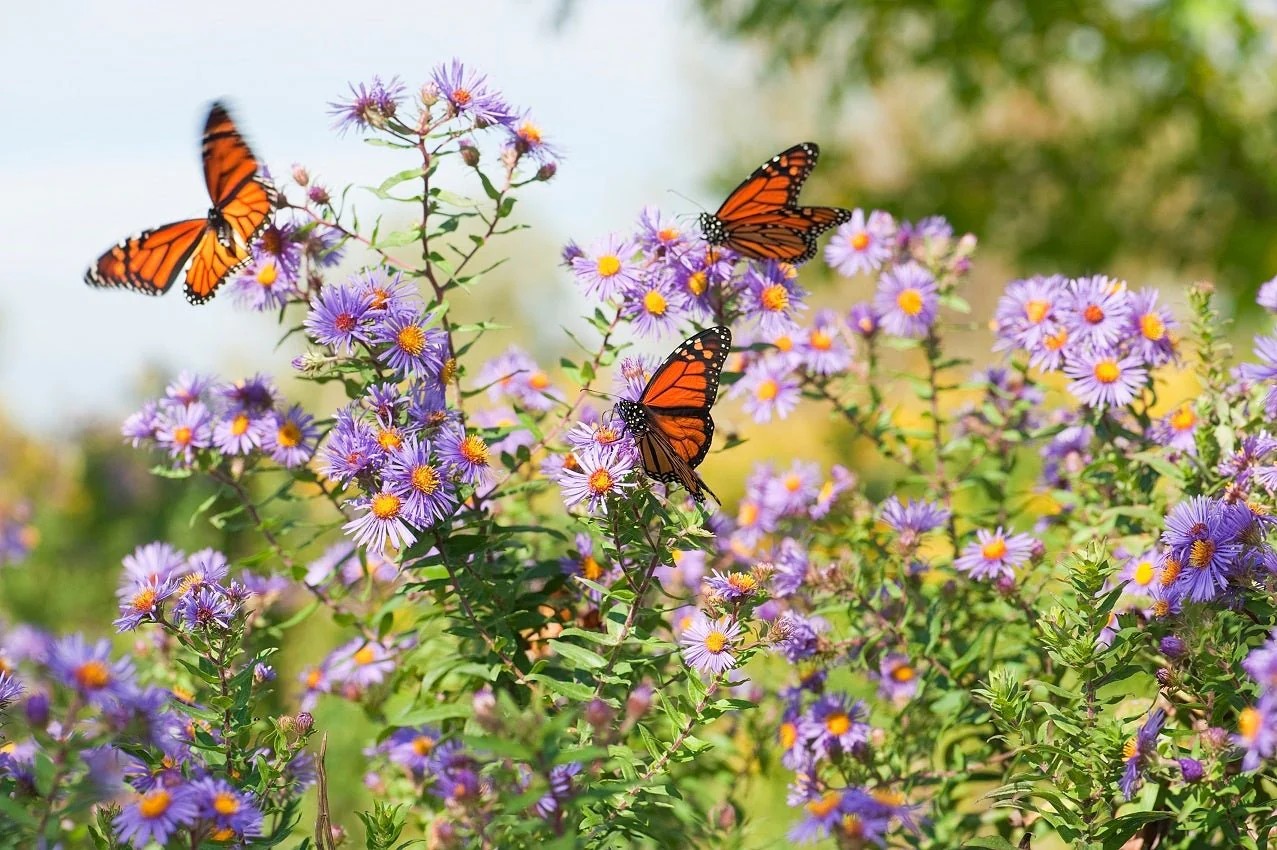
As one of nature’s most endearing creatures, there is something magical about butterflies visiting the garden. Aside from the aesthetic pleasure of watching a variety of butterflies flutter from flower to flower in search of nectar, these beautiful winged insects play an integral part in the ecosystem, serving an essential role in plant pollination. In recent years, butterfly habitat has been significantly reduced due to property development and large-scale farming, resulting in dwindling populations. Homeowners can help support these beneficial insects by creating a butterfly sanctuary in their yards. Here are some tips to help you create a successful butterfly garden.
To make your terrace garden butterfly-friendly, plant a mix of nectar-rich flowers (like Lantana, Marigolds, Zinnias) for food and specific host plants (like Milkweed for Monarchs, Lemon/Curry leaves for Swallowtails) for caterpillars, provide shallow water with rocks for "puddling," offer sunny basking spots with flat stones, create windbreaks with shrubs, and avoid all pesticides. Group plants for easy spotting and offer diverse heights with baskets or trellises for a complete habitat.
1. Provide food (nectar & host plants)
Nectar plants: Choose bright, colourful, tubular flowers that bloom at different times. Good options include: Lantana, Marigold, Zinnia, Coneflower, Bee Balm, Lavender, Sunflowers, Verbena.
Host plants: These are crucial for caterpillars. Plant dill, fennel, parsley for Swallowtails; Lemon/Curry leaves for some species; and Milkweed (Asclepias) for Monarchs.
2. Offer water & minerals
Puddling station: Create a shallow dish with wet sand or soil, adding rocks for perching. Butterflies drink water and absorb essential salts and minerals from this moist spot.
3. Create a Welcoming Environment
Sun & shelter: Place your garden in a sunny spot (at least 6 hours) for basking. Add shrubs or small trees to act as windbreaks and shelter from rain and predators.
Basking spots: Use flat rocks or bare soil in sunny areas for butterflies to warm their bodies.
Varied heights: Use hanging baskets, trellises for vines, or pots at different levels for exploration.
Plant in Drifts: Grouping the same flowers makes them easier for butterflies to spot.
4. Go chemical-free
No pesticides: Avoid chemical fertilisers and insecticides, as they are harmful to butterflies and their larvae. Opt for organic pest control or tolerate some leaf damage.
5. Think locally
Native plants: Incorporate native wildflowers and trees where possible, as they best support local butterfly species.
By providing food, water, shelter, and sunny spots, your terrace can become a thriving habitat for butterflies, even in a small space.
How to keep caterpillars in containers to ensure they survive?
Raising caterpillars to butterflies is a great activity for families, especially now as parents try to figure out remote learning, inventing educational projects for our kids. To keep caterpillars safe, provide a ventilated container with a paper towel lining, offer their specific host plant (fresh leaves daily), ensure proper humidity by covering water sources (like a wet paper towel around stems) but avoid excess condensation, keep it out of direct sun, and clean out frass regularly for a healthy, safe habitat.
Step 1: Habitat setup
Container: Use a plastic container (like a margarine tub for small ones, larger tubs for bigger ones) with a mesh/cheesecloth lid secured by a rubber band for ventilation, or poke holes but cover them for tiny caterpillars to prevent escapes.
Lining: Line the bottom with paper towels for easy cleaning and moisture absorption.
Humidity: Place stems in a small cup of water with wadded paper towels/cotton balls to keep them fresh and prevent drowning; too much condensation can spread disease.
Climbing/pupating: Add twigs or leaves for climbing and a surface (like a paper towel on the wall) for when they pupate.
Food & Water
Host plant: Feed them the specific plant they were found on (e.g., milkweed for Monarchs).
Freshness: Provide fresh leaves daily or every other day; old, dry leaves are not good.
Moisture: Caterpillars get all their water from fresh leaves; they don't need a separate water dish.
Care & Cleaning
Hygiene: Regularly remove frass (droppings) and old leaves to prevent mold.
Transfer: Gently move caterpillars by clipping the leaf/stem they are on, not by pulling them off.
Location: Keep the container indoors in a spot away from direct sunlight and extreme temperatures.
Before you start
Identify: Know your caterpillar's host plant (e.g., Monarchs need milkweed).
Inspect: Check new leaves for pests like spiders or ants before adding them.
Quarantine: Separate any sick caterpillars (e.g., those with black spots) to prevent disease spread.
Caterpillar hunting: You can start your caterpillar/butterfly journey with the cabbage whites that lay their eggs on (and can destroy) brassicas. Then watch as the butterflies lay eggs that hatch on broccoli and kale seedlings. Then, instead of either killing the caterpillars or leaving them to eat the seedlings to the ground, bring them indoors and feed them more mature kale plants until they turn into butterflies.
Step 2: Create a caterpillar habitat
Feed the caterpillar the same plant you find it on. Monarchs, for example, can only eat milkweed. Cabbage whites only eat brassicas. If you don't know what kind of caterpillar/butterfly it is, just keep feeding it from the plant it was on when you found it.
Keep it safe from drowning. If you want to keep a cutting of the host plant in water, make sure the water is covered by a lid with a small hole in it, or perhaps some foil. You can also just add fresh leaves to the habitat every day. Caterpillars don't need water. They get all the moisture they need from fresh leaves.
Clean out the poop! Caterpillars poop a LOT! And their habitat can get unhealthily dirty. Periodically, remove the caterpillar gently, clear out the frass (the name for caterpillar poop), and put it back with fresh food.
Keep it ventilated. You can keep caterpillars in jars, as long as there are air holes in the lid, or you can use mesh or fabric to cover the top. You can also keep caterpillars in the open, just on a branch of the host plant, or on a table. But beware that caterpillars in the open may wander off.
Keep it out of direct sun so the caterpillars don't overheat.
Step 3: Watch your caterpillar turn into a butterfly.
After a week or so of eating, your caterpillar will look for a spot to pupate. It will attach itself to a branch or the underside of a horizontal surface, create a chrysalis, and spend about another week transforming. While the caterpillar attaches and builds the chrysalis, it's quite vulnerable. Take care not to shake or move the habitat for the first few days of pupating. Once the chrysalis has fully formed, you can gently move it to a bigger habitat if it will need more space when it hatches. The butterfly emerges slowly and then spends a couple of hours drying its wings before it's ready to fly. Make sure that whatever habitat you've chosen has enough space for the butterfly to stretch its wings before you release it, and a big enough opening that it won't damage its wings as it flies away.



Leave a comment