

Green Business
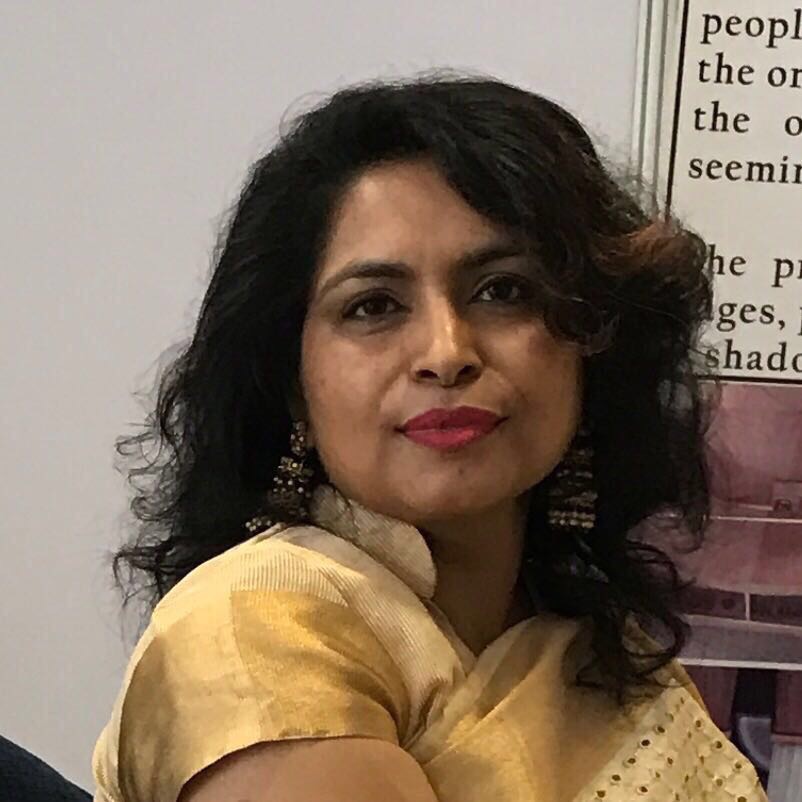
Shipra Anand is a consultant, design educator, career mentor, founder of AFC Lko (Estd.1999) and co-director, JD Institute of Fashion Technology, Lucknow…
Q: Notorious for being the biggest polluter of the environment, yet something one cannot do without, what steps can the fashion and textile industry take to be more in tandem with nature?
We need to acknowledge and accept that the textile and fashion industries are indeed among the biggest polluters of the environment. Taking responsibility for the same, the industry must veer back to slow fashion, thus producing responsibly, using sustainable materials and processes and mindful waste management by recycling/ up-cycling what we can. Sourcing more locally and selling more locally, leveraging more local crafts and processes, and trying to close the loop of circularity should be the endeavour.
Q: As a fashion designer, how do you club environmental ethics with fashion?
It is all about making responsible choices- choosing mindfully -natural/ organic fabrics, chemical-free dyes, experimenting with more classic, timeless silhouettes and styles that may rise above fleeting trends or making lasting pieces that are an owner’s pride. Identify and build your niche. Reducing/ recycling and repurposing production waste and paying fair wages to the artisans and technical team are important parts of the ethical design process.
Q: What options are there for those who want to go for cruelty-free fashion?
One can opt for products such as bags, belts, shoes, wallets, gloves, jackets, coats, boas, etc., made out of materials like faux/non-leather/ vegan leather (tomato, mushroom, etc.), faux fur. Ahimsa silk is a great choice to make.
Q: Do you think fast fashion is one of the biggest bane today?
Indeed, on the part of the industry, it is pushing fast fashion with quick turnaround and cheaper merchandise with compromised quality, while on the consumer’s end, it is the insatiable demand fuelled by quick consumption and a deep discount mindset, as most people chase a celebrity lifestyle with deeper wardrobe solutions and faster planned obsolescence. We should consider going back to our culture of pre-loved apparel that used to be passed on in mint condition among family and lovingly accepted and worn as well! Preserving heritage and heirloom pieces is important not only for legacy and storytelling but is sustainable as well.
Q: Brand-mania is one of the root causes of cruelty and pollution, as they use leathers and other animal-derived products. What do you have to say to that?
It is heavily reliant on narrative and storytelling, and the glamorization of fashion. Though today some high-end brands are consciously making this shift towards sustainable choices that are verifiable as well, it is also true that ‘green washing’ has become more of a marketing tool for many, as brands do try to control the narratives. The consumers must realise the power lies in their hands. If they reject such products/ brands, the companies will have no choice but to imbibe environment positive practices. It is easier to support cruelty-free products, but sustainable/carbon-neutral/ positive products come with certain costs, and consumers should be ready to do their bit by sharing the load.
Q: Your advice to those wanting to join the fashion industry, yet remaining environmentally responsible.
The fashion industry is a vast network from raw material to design to production to supply chain management to retail to promotion, with a scope for leaving or preventing carbon footprints, regardless of the rung of the ladder you join. If you are in the material sector, choose recycled/ recyclable, organic, chemical-free/ natural. In design and prototyping, the use of AI and CAD can help explore variations without physical sampling, hence reducing waste. In retail, keeping inventory checked in real time helps with lean and movable stocks. Sourcing and producing locally is an environmentally friendly choice. During events, promotions and fashion shows, we must opt for sustainable materials for invites, props and set design and production.



Leave a comment