

TreeTake Network
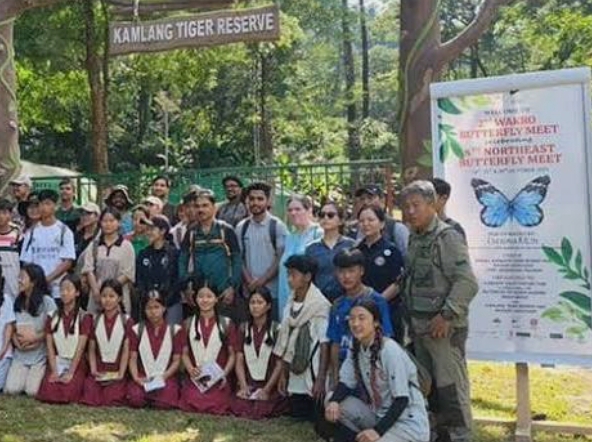
The third Wakro Butterfly Meet concluded on November 03, 2026, following an intensive three-day community-led biological field exploration across the sensitive ecosystems bordering the Kamlang Tiger Reserve and Wildlife Sanctuary. Organised by the youth-driven Kamlang Valley Nature Club in close collaboration with state forest departments, the regional survey successfully registered 207 distinct butterfly species. The collaborative initiative serves as a localized tracking model designed to enhance community-led biodiversity documentation and stimulate micro-level eco-tourism frameworks within Northeast India.
Rare Sightings and Youth Conservation Engagement
The field explorations drew more than 120 residential campers and research students representing multiple educational institutions, including Indira Gandhi Government College and Arunachal University. Field specialists documented several ecologically vital sightings, including the Green Dragontail, Columbine, Elusive Prince, Watson's Bushbrown, and the rare Yellow-veined Lancer. The intensive field interactions were guided by prominent regional naturalists, including Roshan Upadhaya, popularly recognised as the Butterfly Man of Arunachal Pradesh, alongside Kamlang Tiger Reserve biologist Aditya Dass.
The workshop format combined rigorous morning trail observations with evening data synthesis panels to catalogue the geographical coordinates of each sighting. "Fostering a sustainable relationship between bordering village youths and protected reserve habitats is essential for long-term conservation," observed Dr Lobsang Tashi Thunduk, Wildlife Warden and nature educator, during the final data review session. The collected species metrics will be uploaded directly into the state biodiversity archive to track shifting insect migration corridors driven by regional sub-tropical climate variations.
Community-Led Protection and Ecological Corridors
By encouraging local inhabitants to champion biodiversity tracking, the initiative addresses the critical challenges of habitat fragmentation and illegal logging within buffer zones. Organisers emphasised that butterflies serve as vital bio-indicators of ecosystem health, meaning that shifts in their distribution patterns provide early warnings regarding forest degradation. Local village councils have pledged to protect known host plants across community forests, establishing a contiguous network of safe migratory corridors outside the formal boundaries of the wildlife sanctuary.
"The active participation of residential communities transforms passive environmental policy into dynamic on-the-ground preservation," remarked Noksha Wangsu, a local community coordinator. "When young citizens take ownership of mapping their native fauna, they establish a permanent shield against habitat encroachment." This gathering sets a precedent for similar citizen-science assemblies across neighbouring districts to map the unrecorded lepidopteran diversity of the Eastern Himalayas systematically.
Editor's Note
The success of community-managed ecological meets emphasises the critical value of decentralised citizen science in mapping localised biodiversity hotspots. To capitalise on these field documentations, regional wildlife frameworks must transition from passive tracking to active habitat enrichment, establishing strictly monitored community conservation reserves that safeguard vulnerable pollinator pathways from speculative infrastructure encroachment.



Leave a comment