

TreeTake Network
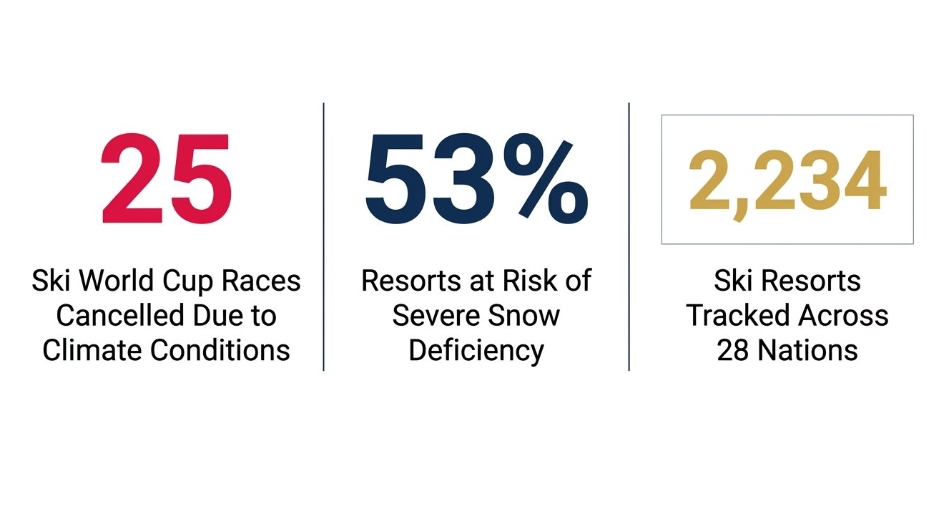
The International Ski and Snowboard Federation and the World Meteorological Organisation launched a major collaborative environmental framework on November 03, 2026, to protect the structural viability of winter sports hubs amidst rising global temperatures. The comprehensive joint initiative, accompanied by a definitive technical report titled Weather and Climate Services for Ski Resorts, outlines severe economic and ecological pressures threatening global high-altitude communities. According to internal tracking metrics compiled across recent competitive cycles, adverse atmospheric conditions and diminishing snow cover forced the cancellation of 25 Ski World Cup races, highlighting an urgent need for science-based operational mitigation.
Infrastructure Vulnerabilities and Technical Support
The collaborative framework introduces specific nowcasting tools, short-range forecasting mechanisms, and real-time avalanche tracking bulletins to help mountain destinations manage immediate operational safety limits. Recent academic models cited within the joint assessment warn that a localised temperature increase of 2°C would place 53 per cent of 2234 ski resorts across 28 European nations at extreme risk of critical snow deficiencies. To counter this trend, the project advocates for structured infrastructure investments grounded in climate science rather than uncoordinated commercial expansion. The deployment of advanced meteorological data aims to provide regional event organisers with the precision necessary to schedule events while minimising localised ecological disruption.
The systemic integration of these meteorological services represents a shift towards active climate resilience within the sporting sector. "This report provides a comprehensive resource on weather and climate services for ski areas, bringing together information on observed and projected changes," stated Susanna Sieff, Sustainability Director at the federation, during the official presentation. The initiative seeks to build capacity by training local operational teams to interpret complex weather patterns and implement sustainable water-use strategies for required slope maintenance.
Economic Dependency and Community Resilience
Beyond elite competitive calendars, the framework addresses the socio-economic vulnerabilities of mountain communities that depend heavily on seasonal winter tourism. Experts warn that the compounding loss of natural snow cover threatens livelihoods, local supply chains, and regional infrastructure investments across alpine territories. By providing open-access weather intelligence, the partnership intends to support municipalities in diversifying their economic models and developing resilient year-round nature tourism frameworks.
"Climate change is not a distant threat for winter sports; it is an immediate operational reality that requires a coordinated, scientific response," observed Dr Inger Andersen, Executive Director of the United Nations Environment Programme, when reviewing the joint data. The collaboration establishes a global network where independent ski areas can share empirical snowpack measurements, accelerating the development of standardised climate adaptation protocols across multiple mountain ranges.
"The accelerating loss of reliable winter conditions demands immediate and far-reaching action to limit the extent and duration of global temperature spikes," warned Bill Hare, Chief Executive Officer of Climate Analytics, noting that this data must serve as an urgent wake-up call for international ministers. Public authorities are being urged to integrate these alpine tracking metrics into broader national climate adaptation strategies to protect fragile mountain headwaters from cascading environmental degradation.
Editor's Note
The structural partnership between elite winter sports authorities and the global scientific community highlights a critical realisation that commercial mountain recreation is directly bound to planetary albedo thresholds. Future sports management frameworks must look to mandate strict high-altitude preservation zones and restrict energy-intensive mechanical snow production, realigning the winter tourism economy with regional water conservation protocols and sustainable land-use principles.



Leave a comment