

TreeTake Network
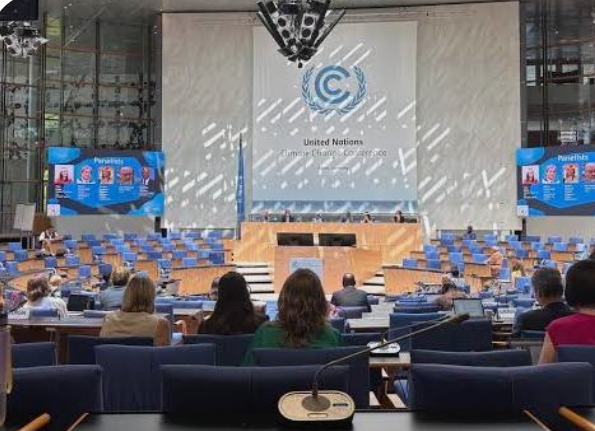
Negotiations at the United Nations Framework Convention on Climate Change (UNFCCC) ministerial session opened with severe friction as a unified coalition of major developing nations demanded that industrialised countries completely close long-overdue climate finance gaps. The unexpected escalation comes directly ahead of the formal COP31 climate summit, threatening to stall global consensus on international green frameworks unless substantial structural funding commitments are met.
The high-stakes ministerial framework focused on the implementation of the New Collective Quantified Goal (NCQG) for climate finance, which is meant to replace the outdated and largely unfulfilled target of 100 billion US dollars per year. Developing nations, speaking through unified negotiating blocs, stated that the historical financial arrears of wealthy countries have severely eroded the trust necessary to finalise future cross-border biodiversity and emission reduction targets.
Deepening Frustration Over Broken Financial Pledges
The ministerial dialogues revealed deep fractures regarding accountability, transparency, and the exact nature of funding mechanisms. Developing nations expressed intense frustration that the vast majority of international climate aid continues to arrive in the form of high-interest commercial loans rather than direct grants, further trapping vulnerable economies in cycles of national debt while they simultaneously attempt to rebuild after severe climate disasters.
Ambassador Evans Njewa, the chair of the Least Developed Countries (LDC) Group, emphasised the critical nature of these talks, stating that public finance from developed countries must form the absolute core of the new financial goal, as vulnerable nations cannot protect global biodiversity or cut emissions while being crushed by mounting climate debt. The G77 plus China bloc strongly supported this stance, reiterating that industrialised countries have a historical responsibility to provide trillions of dollars in predictable, grant-based financing rather than ambiguous private-sector promises.
Conversely, negotiators from several wealthy economies, including the United States and members of the European Union, pushed back against these rigid demands. They argued that the contributor base must be significantly expanded to include rapidly growing emerging economies, a proposal that developing states view as a deliberate attempt to dilute historical climate responsibilities.
Editor's Note
The pre-COP31 finance gridlock highlights a systemic failure in international environmental diplomacy, where ambitious biodiversity and climate targets are repeatedly announced without secure, legally binding financial pipelines. The way forward requires a complete overhaul of global climate accounting, with independent tracking systems that distinguish public grants from commercial market loans and strict, enforceable penalties for nations that fail to meet their climate aid quotas.


.jpg?resize=120%2C90&ssl=1)



Leave a comment