

TreeTake Network
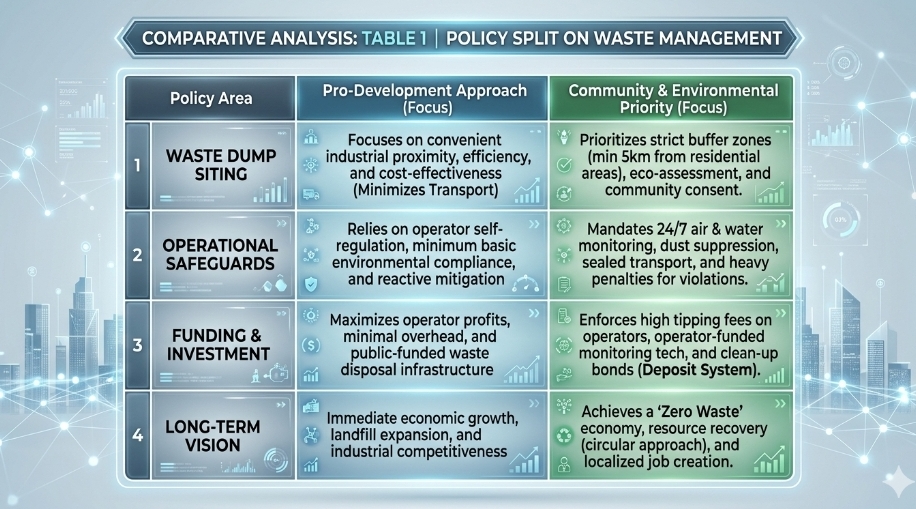
The battle over Goa's mineral wealth has officially shifted from underground extraction pits to the mountain-like waste piles scarring the hinterlands. In a major development, the High Court of Bombay at Goa dismissed environmental petitions, greenlighting the controversial practice of 'dump mining' to extract and export millions of tonnes of low-grade iron ore rejects.
The ruling represents a significant fiscal victory for the state government, which has faced severe revenue deficits since a massive anti-corruption shutdown crippled the local economy. Chief Minister Pramod Sawant strongly defended the specialised dump policy. "Our dump handling policy is designed to clean up legacy waste while generating legitimate revenue," Sawant stated. “This will create immediate opportunities for our local barge owners, truck cooperatives, and mining-dependent workers.”
However, the judicial greenlight has triggered intense anxiety among scientists, hydrologists and frontline communities in talukas like Bicholim and Sattari. Over the last decade, these artificial hills had naturally developed wild vegetation that bound the soil. Activists warn that mechanically cutting into these slopes right before the heavy monsoon rains will destabilise the structures, sending loose, toxic mud down to choke natural aquifers and traditional agricultural lands.
“What the state calls 'dump handling' is nothing but a backdoor entry for legacy lawlessness,” warned Dr Claude Alvares, director of the Goa Foundation. "Turning loose heavy machinery on these hillsides right before the monsoon means millions of tonnes of red mud will wash directly into our rivers. The state is prioritising short-term revenue over permanent ecological destruction."



Leave a comment