

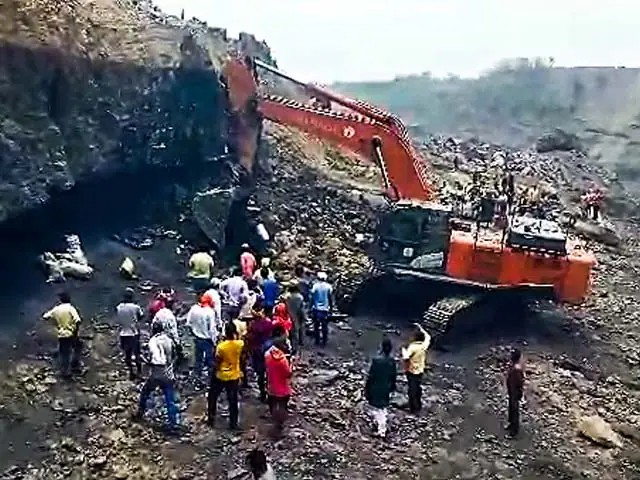
Mining has provided essential ores and fuelled the world since primordial days. Still, given the vast and significant detrimental impact on human life, the earth, biodiversity and the environment (especially if the practice is illegal), it is considered nothing short of a bane. Experts highlight that, while critical for green technologies, the mining industry faces a challenge in maximising extraction efficiency while minimising environmental harm. TreeTake takes a look at the complex paradox…
The mining industry might make wealth and power for a few men and women, but the many would always be smashed and battered beneath its giant treads”, said Australian author Katherine Susannah Prichard. However, in today's world, mining is essential because it provides the raw geological materials required to sustain modern civilisation, drive technological innovation and fuel the global transition to clean energy. A foundational principle of the manufacturing sector states that "if a material cannot be grown agriculturally, it must be mined."
The global shift away from fossil fuels relies heavily on mined minerals. Clean energy systems are far more mineral-intensive than traditional fossil-fuel infrastructures. High-capacity EV batteries require massive quantities of lithium, cobalt, nickel, and graphite. Wind turbines depend on copper wiring and rare earth elements for magnets, while solar panels require gallium, germanium and silicon. According to the World Economic Forum, achieving net-zero emissions by 2050 will require roughly 3 billion tonnes of metals. What is more, everyday consumer electronics are entirely dependent on sophisticated combinations of mined elements. A single mobile device contains precious and critical metals like gold, silver, copper, palladium and platinum to power circuit boards and microchips. Global internet, 5G connectivity and artificial intelligence hardware rely heavily on advanced semiconductor metals and copper networks.
Mining also provides the fundamental building blocks for physical infrastructure and global food security. For instance, iron ore is mined to produce steel, the core structural element of buildings, bridges and public transit systems. Other minerals like kaolin, limestone and gypsum are critical for tiles, cement and drywall. Agriculture relies on mined minerals like potash and phosphate to manufacture the fertilisers necessary to sustain global crop yields. The mining sector also serves as an economic cornerstone for local communities and national budgets.
The industry creates stable, well-paying direct jobs, primarily in rural areas, while generating indirect employment across supply chains. Mining operations contribute heavily to national and regional economies through corporate taxes, royalties and infrastructure development investments.
However, rampant and often illegal mining severely degrades the environment and local communities. The most critical impacts include severe deforestation, water contamination (often from toxic runoff and acid mine drainage) and the destruction of biodiversity. It also causes soil erosion and forces indigenous communities to abandon their homes.
Dr CP Rajendran, an earth scientist and adjunct Professor, National Institute of Advanced Studies, said: “Unregulated excavation causes widespread deforestation, destroys wildlife habitats, and depletes water tables. For example, unchecked sand and stone mining in regions such as the Aravalli range or in riverbeds triggers severe soil erosion, alters river courses, and exacerbates flooding. Illicit and excessive sand mining in riverbeds is causing an economic and environmental crisis. The estimates indicate severe impacts on India's rivers. With all the rhetoric on the rejuvenation of focusing on the Ganga and the Yamuna, you will be able to see how the sand-mining mafia is involved in illegal sand mining in these rivers. Extraction is carried out without valid legal concessions, environmental clearances, or in violation of court-imposed bans. Unregulated mining generates a massive parallel economy—such as the illegal sand mining trade estimated to be worth thousands of crores annually—while inflicting severe environmental destruction and human rights abuses. The recent protests by tribal communities against government-approved mineral mining in Odisha and Chhattisgarh have brought up many issues related to the violation of the ESG (Environmental, Social, and Governance) framework. Financial institutions such as banks that finance private companies to conduct mining activities—without the consent of local communities and in ways that destroy the forests, rivers, and landscapes on which tribal communities depend—should be questioned about whether they follow ESG norms. The money that banks loan to private companies is public money (savings, pensions, insurance funds, etc., of the public). The crucial question is why financial institutions should invest public money in projects that may generate severe social, environmental, and climate-related harm. Numerous mining projects across the country have resulted in displacement, land degradation, water pollution and the destruction of traditional livelihoods.”
Prof Dhruvsen Singh, head, Department of Geology, Lucknow University, said: “Mining provides the raw material to run industries, but at the same time it has many adverse impacts. It affects all components of the environment. The lithosphere is affected as the landscape is disturbed, deforestation takes place, and there is a loss of fauna and flora. As for the atmosphere, toxic elements are mixed in the air, causing health problems, mainly respiratory. The hydrosphere is adversely impacted as the water table goes down, surface infiltration stops and groundwater is polluted. It affects the socioeconomic aspects of society and is also responsible for the loss of biodiversity.”
The consequences of unregulated and excessive extraction span several interconnected areas, including:
1. Environmental devastation
Deforestation: Large-scale surface mining strips away entire forest canopies, destroying vital carbon sinks.
Biodiversity loss: Natural habitats are completely flattened, endangering local flora and fauna and driving species toward extinction. Grazing land shrinks due to mining. According to a WWF study, 57% of tree cover loss linked to coal extraction from 2000 to 2019 happened in Indonesia alone.
Landscape scarring: Open pits, strip mining and topsoil removal leave behind barren, desert-like wastelands and sinkholes.
Water crisis depletion and stress: Mining requires immense amounts of water for dust suppression and mineral processing, causing severe water stress for local populations.
Chemical contamination: Toxic runoff carrying heavy metals, cyanide, or sulfuric acid leaks into streams and groundwater, rendering water unsafe for drinking or agriculture.
2-Public health hazards
Respiratory illnesses: Airborne particulate matter and silica dust frequently cause severe respiratory diseases among nearby residents.
Food chain toxicity: Toxins absorbed by plants and soil enter the food supply, leading to long-term neurological and organ damage in human populations. 4. Socio-economic disruption.
Loss of livelihood: The destruction of fertile agricultural land and local fisheries robs rural communities of their traditional means of survival.
Displacement: Indigenous groups and local villagers are frequently forcibly evicted to make way for massive mining projects.
Conflict and crime: Illegal mining often breeds corruption, violent crime and economic instability within vulnerable regions.
Water use in mining
Mining and unregulated and opencast mining in the Bundelkhand region (including Lalitpur and Jhansi) is a scintillating example of severe environmental and health hazards. The extraction of granite, silica, and river sand leads to heavy dust pollution, water contamination, deforestation and critical occupational diseases among locals.
Exposure to toxic silica dust and heavy particulate matter (SPM) is a daily reality for residents and mine workers. A high incidence of asthma, bronchitis, and pneumoconiosis has been seen. Prolonged exposure to suspended dust leads to severe dermatitis, skin allergies, and chronic eye irritations. Particulate matter limits often exceed safe Central Pollution Control Board (CPCB) standards by 2 to 3 times, severely lowering air quality. Opencast mining and stone-crushing sites regularly breach safe noise thresholds (reaching up to 125 dB), resulting in hearing disorders.
Mining activities physically alter the landscape and disrupt natural ecosystems. Clearing vegetation for quarries accelerates soil erosion and destroys local biodiversity. Abandoned mining and sand-quarry pits turn into deep open pools. During monsoons, stagnant water becomes a breeding ground for bacterial infections. Lalitpur and Jhansi already face natural water scarcity, and mining worsens both the quality and quantity of water. Toxic metals like cadmium (Cd), iron (Fe), and lead (Pb) leach into unconfined shallow aquifers, heavily contaminating drinking and irrigation water.
Nontoxic mining effluents are discharged into local water bodies, rendering them tainted. At present, there are around 325 active mining sites in the Jhansi district only. Hadrochemical studies of Jhansi concluded that anthropogenic activities were impacting groundwater quality. Higher values of electrical conductivity were observed in the mine area. Surface mining creates more pollution in comparison to underground mining. Flora and fauna are affected by various functions like – deforestation, blasting operations and other sounds, as well as interference by humans.
Adverse impacts of sand mining
Sand mining is the extraction of sand, mainly through an open pit (or sand pit), but sometimes mined from beaches and inland dunes or dredged from the ocean and river beds. Sand is the second most consumed resource in the world, right after water. We extract roughly 50 billion metric tonnes annually to produce everything from concrete and glass to silicon computer chips. Rapid urbanisation means the demand for this resource is insatiable. While sand occurs naturally, aggressive mining destroys habitats.
Removing sand from riverbeds and beaches increases the speed of water flow, triggering rapid erosion of riverbanks and coastlines. Sand dredging destroys aquatic life by altering river depths, degrading habitats and making it difficult for fish and other species to survive. Lowering riverbeds weakens the structural foundations of bridges and buildings, making them increasingly vulnerable to extreme weather and collapse.
Due to the sheer volume of material required, illegal sand mining—often orchestrated by organised groups or 'sand mafia'—is a widespread global issue. Chambal and Kolong rivers stand out when it comes to the detrimental effects of sand mining. Illegal sand mining is systematically destroying the fragile riverbeds of the National Chambal Sanctuary, threatening endangered species like the Ganges river dolphin and gharial. In Assam and West Bengal, uncontrolled sand extraction along the Kulsi, Teesta and Relli rivers is disrupting aquatic life, drying up agricultural lands and heavily amplifying the damage caused by regional floods and landslides.
In India, sand is classified as a 'minor mineral' under the Mines and Minerals (Development and Regulation) Act. Legal mining requires strict environmental clearances, and unauthorised extraction can result in severe financial penalties and imprisonment. To mitigate the depletion of natural sand reserves, several sustainable alternatives are being explored: Manufactured sand (M-Sand): Created by crushing hard rocks, M-Sand is a substitute for river sand. Recycled aggregates: Crushing old concrete and masonry from demolished buildings helps reduce the need for freshly mined sand. Sadly, such practices are not commonly practised.
Landslides and mining
Mining is a primary human cause of non-seismic landslides globally. Excavation, deforestation and heavy machinery vibrations destabilise slopes. When combined with triggers like heavy rainfall or earthquakes, these changes can cause devastating mudslides, rockfalls, and land subsidence.
How mining causes landslides
Slope destabilisation: Open-pit mining and quarrying cut into the natural topography, over-steepening hillsides and removing support from the base of the slope.
Excavation and vibrations: The use of heavy machinery and blasting techniques sends shockwaves hundreds of meters deep, fracturing the soil and loosening rock formations.
Deforestation: Clearing vegetation for mining sites removes natural root systems that act as an anchor, leaving the exposed dirt highly susceptible to erosion and mudslides.
Waste dumps: Poorly engineered or over-saturated piles of mine tailings (waste rock) frequently collapse, leading to lethal debris flows.
Underground mining risks
While open-pit operations primarily cause surface landslides, underground mining creates hollow voids beneath the surface. Over time, these unstable caverns collapse, leading to land subsidence—where the ground suddenly sinks, destroying the land and any structures above it.
Key mining-driven mudslide hotspots in India
Jharkhand and Chhattisgarh: These states are major hubs for coal and opencast mining, which routinely cause severe land subsidence (sinking ground) and large-scale collapses of earth into excavated pits.
Haryana and Rajasthan: Decades of intense, over-exploited quarrying in the Aravalli hills (such as the Bhiwani mining site) have destroyed natural barriers, destabilised fragile terrain, and resulted in deadly slope failures.
West Bengal: The Raniganj and Jamuria coal belts frequently experience collapses, often triggered by air blasts and pillar failures. Uttarakhand: The Himalayan topography combined with soapstone and limestone quarrying has drastically increased the vulnerability of the Bageshwar region to ground deformation and sinkholes. Soapstone mining in Bageshwar is leading to ground deformations, cracks, land subsidence (sinking), and rockslides, according to a report submitted to the National Green Tribunal recently.
Recent major incidents
West Bengal (May 2026): A massive landslide occurred during blasting operations at a colliery in the Jamuria area of the Raniganj coal belt, collapsing multiple underground pillars and tragically trapping workers.
Maharashtra (May 2026): A major landslide at the Ukani open-cast coal mine in the Yavatmal district buried several dump trucks in soil, though drivers escaped just in time. Haryana (January 2022): Over-exploitation of the landscape led to a massive cave-in at a Bhiwani mining site, killing multiple miners and trapping heavy machinery.
Rajasthan: A major landslide took place near Nari village in Chirawa in July last year. It caused part of a hill to break apart with a loud, explosion-like sound. As per reports, local people blamed the landslide on illegal and unregulated mining activities being carried out in the area by private mining contractors.
The danger persists because steep, unsupported excavations and undercutting remove the natural toe-support of hillsides and embankments. The unmanaged dumping of loose mining waste (overburden) on steep slopes makes the material prone to liquefaction and catastrophic mudslides, especially during heavy rainfall. Despite regulations from the Directorate General of Mines Safety (DGMS), illegal extraction and a lack of on-site safety measures remain rampant.
Court orders
Indian courts have fundamentally reshaped the mining sector through rulings that prioritise environmental sustainability, state taxation powers, and strict regulatory compliance. Key legal mandates require mandatory District Survey Reports for all sand mining, establish strict ecological protections in the Aravalli range, and secure the rights of states to tax minerals.
The Supreme Court mandated that a valid and finalised District Survey Report (DSR) was a strict prerequisite for granting environmental clearances for mining projects. Draft reports were legally insufficient. State authorities attempting to auction sand mining leases without finalised DSRs have had those auctions struck down as illegal. The Supreme Court has taken a firm stance on ecological damage in the Aravalli Hills, repeatedly directing states to halt illegal mining activities. The court ordered the constitution of a high-powered committee to establish a Management Plan for Sustainable Mining (MPSM) and has paused the issuance of new mining leases in ecologically sensitive and conservation-critical zones until this framework is finalised.
Following widespread cases of illegal iron and manganese extraction (such as in Odisha and Goa), the Supreme Court imposed heavy penalties on mining companies lacking proper forest and environmental clearances. Courts routinely order the recovery of 100% of the value of illegally extracted minerals to serve as a deterrent. The National Green Tribunal (NGT) and the Supreme Court frequently take suo motu cognisance of environmental degradation. This includes continuous monitoring and targeted orders to stop unauthorised sand and gravel mining in protected aquatic habitats and wildlife sanctuaries.
Way forward
According to Prof Dhruvsen Singh, the adverse impacts of mining can be minimised by better planning, highly equipped instruments, afforestation, dust suppression, water recharging, rainwater harvesting and proper waste disposal. While mining is indispensable, modern frameworks established by organisations like the International Council on Mining and Metals emphasise that the industry must balance this necessity with sustainable, responsible extraction practices to minimise its environmental footprint.
Experts also say that to prevent disasters, mining companies should engineer evaluations to determine the stability of a slope before extraction begins. According to them, remote sensing, drones and radar can be used to track ground movement so that workers may be evacuated before a collapse. Controlling water runoff to prevent the soil from becoming waterlogged, which drastically reduces the strength of the earth, is also essential. As per experts, there should be a rigorous Environmental Assessment (EIA) and planning to identify critical impacts on local biodiversity, water tables and air quality. National guidelines, such as securing Environmental Clearance (EC) in India through the Ministry of Environment, Forest and Climate Change (MoEF & CC), must be strictly followed. Indigenous and local communities should be roped in early in the planning process. Public consultation prevents post-approval conflicts and safeguards local livelihoods. During mining, sonic and directional drilling should be used to minimise surface disturbance and target only valuable resources, reducing the volume of waste rock.
Naturally occurring microbes should be used to extract metals from ore, reducing the need for harsh chemicals. There should be routine checks to prevent the contamination of groundwater and local streams. Wastewater must be treated before discharge, and process water must be recycled. Fugitive dust should be suppressed by utilising water sprinklers, wheel washes, and vegetation barriers. Mine tailings should be stored in engineered, lined containment ponds to prevent seepage and structural failures.
Dr Sebastian Dunnett of UNEP— WCMC rightly said: “In meeting the demand for critical minerals, there is a very real risk that expanded operations will contribute towards climate instability... However, this transition also offers a significant opportunity. Through adopting responsible practices... mining activities can support sustainable development...”



Leave a comment