

Thinking Point
Webinar on World Mental Health Day 2026
SkillX, in association with Lions International and its supporting media partner, TreeTake magazine on Environment, organised a special webinar on World Mental Health Day on 10 October 2026 at 8:00 PM via Zoom. The programme featured sessions on the importance of mental health by Lion H. N. Singh, practical techniques for using the mind by Lion Pinkesh Patoria Jain, and guided meditation by Richa Verma. The coordinator of the Zoom meeting was PDG Lion Satyendra Sharma. The initiative promoted positive thinking, stress management, emotional well-being, and a healthier, happier life for all.
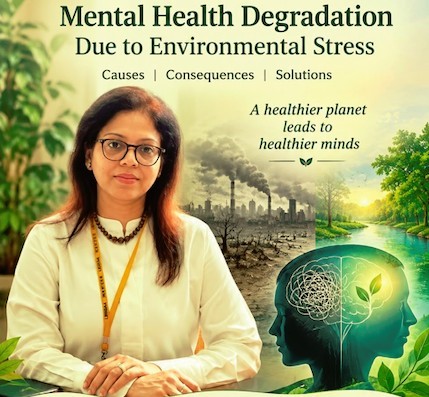
Mental health degradation due to environmental stress
Richa Verma is an educator, research scholar, and holistic healing practitioner committed to emotional well-being and personal transformation. Drawing upon her academic experience across reputed institutions, she blends educational insights with compassion and a holistic approach to healing. As founder of Oread Holistic Healings, she offers Past Life Regression, Hypnoheal, Reiki, and Colour Therapy to support inner balance and positive change. In this Selfless Souls conversation, Richa Verma explores how environmental stress affects mental health, emphasising emotional awareness, resilience, compassion, and holistic well-being for individuals and communities.
Q: How would you explain the relationship between environmental stress and mental health? In what ways does our changing environment affect our psychological well-being?
I believe our mental health is closely connected to the environment in which we live. Air pollution, rising temperatures, noise, and unsafe surroundings can make us feel tired, anxious, irritated, and restless. For example, prolonged air pollution and extreme weather in Delhi affect people's comfort and emotional well-being. Natural disasters, such as Hurricane Katrina in the United States in 2005, caused immense suffering, with people losing homes, livelihoods, and loved ones. As an educationist and holistic healing practitioner, I believe that caring for our environment is essential for promoting mental well-being and building a healthier society.
Q: Air pollution, rising temperatures, noise pollution, and deteriorating water quality are increasing in many cities. How do these environmental factors contribute to stress, anxiety, depression, and other mental health concerns?
Air pollution, extreme heat, noise, and unsafe drinking water can significantly affect our emotional well-being. Thick smog makes parents worry about their children’s health, while older adults and people with existing health problems may feel particularly vulnerable. Delhi’s severe pollution in November 2023, when schools were temporarily closed, illustrates these challenges. Similarly, India’s 2024 heatwave caused discomfort, disturbed sleep, increased irritability, and difficulty concentrating. Outdoor workers may also worry about their health and income. Traffic congestion and unsafe water add further stress. Although these factors do not affect everyone equally, repeated environmental stress can worsen mental well-being.
Q: What is climate anxiety or eco-anxiety? Are people, particularly young people, increasingly experiencing fear and uncertainty about climate change and the future of our planet?
Eco-anxiety is the worry, fear, or sadness people experience when thinking about environmental damage and climate change. Young people may feel particularly concerned when they see news about forest fires, floods, melting glaciers, and rising temperatures. They may worry about their future, their families, and the planet their children will inherit. The Canadian wildfires of 2023 provide a significant example. The fires produced enormous amounts of smoke, affecting air quality across Canada and the northeastern United States. Even people living far from the fires experienced disruption and concern about air pollution, highlighting the widespread emotional impact of environmental disasters.
Q: How do environmental problems such as extreme heat, floods, droughts, and other natural disasters affect the mental health of individuals and communities?
Yes, our surroundings influence our mood and emotional well-being more than we often realise. Spending several hours daily in heavy traffic can leave people tired, stressed, and frustrated. Returning home to constant noise, overcrowding, and uncomfortable living conditions may further reduce opportunities for relaxation. Over time, these environmental pressures can disturb sleep, reduce concentration, affect patience, and strain family relationships. Children may also struggle to study, concentrate, or play peacefully in noisy and uncomfortable surroundings. Therefore, cleaner environments, reduced noise, better urban planning, and accessible green spaces are essential for promoting mental well-being and improving overall quality of life.
Q: Can prolonged exposure to noise, overcrowding, traffic congestion, and a lack of green spaces affect sleep, concentration, emotional stability, and overall quality of life?
In many large cities, limited access to parks and open spaces reduces opportunities for relaxation, physical activity, and social interaction. People often spend most of their time indoors, travelling, working, or using screens, leaving little time to enjoy nature. Green spaces, such as neighbourhood parks, community gardens, and treelined pathways, provide a refreshing escape from urban stress. Spending time in nature can promote relaxation, encourage exercise, improve mood, and strengthen social connections. Although nature cannot cure every mental health problem, accessible green spaces can significantly support emotional well-being and improve the overall quality of urban life.
Q: What are the early warning signs that environmental stress is beginning to affect a person’s mental health? When should someone seek professional help?
Human beings share a deep emotional connection with nature. Gardens, trees, rivers, and outdoor moments with family often create cherished memories. The destruction of forests, pollution of rivers, and loss of natural landscapes can cause sadness and a sense of loss, especially among communities dependent on nature. Vulnerable groups need practical support, including safe schools, emergency plans, drinking water, shade, and adequate rest for outdoor workers. Senior citizens require regular check-ins, while disadvantaged families need healthcare, secure housing, and financial assistance. Emotional support must also be provided with compassion and understanding.
Q: Are children, senior citizens, outdoor workers, and economically vulnerable communities more susceptible to the psychological effects of environmental degradation? What special support do they need?
Children, senior citizens, outdoor workers, and economically disadvantaged communities are more vulnerable to environmental stress because they have fewer ways to protect themselves. Children may struggle to understand frightening events, while older adults face difficulties during extreme heat or displacement. Outdoor workers experience greater exposure to pollution and high temperatures, and poorer families may lack safe housing and healthcare. Persistent distress affecting sleep, work, studies, or relationships should not be ignored. Maintaining a regular sleep routine, limiting distressing news, talking to trusted people, practising mindfulness, and gentle breathing exercises can support emotional well-being and relaxation.
Q: How does the loss of forests, biodiversity, and natural landscapes affect our emotional connection with nature? Can spending time in parks, gardens, forests, and other green spaces help improve mental well-being?
We can manage environmental stress through healthy habits, including adequate sleep, regular exercise, balanced meals, and relaxation. Limiting exposure to disturbing news and social media can also reduce anxiety. As a holistic healing practitioner, I encourage people to connect with nature through gardening, caring for plants, and visiting green spaces. However, individual efforts alone cannot solve environmental problems. We must protect forests, conserve water, preserve biodiversity, and promote responsible development. Our relationship with nature should extend beyond appreciating its beauty. We must respect, protect, and preserve the environment for the well-being of future generations.
Q: What practical steps can individuals take in their daily lives to manage environmental stress, build emotional resilience, and maintain a healthy balance between technology, urban living, and nature?
Awareness should begin at home and extend to schools, healthcare institutions, and communities. Families must listen patiently to children’s environmental concerns and explain problems appropriately. We should connect with nature whenever conditions are safe, while following health advisories during extreme heat or pollution. Conserving water, reducing waste, reusing materials, and saving electricity encourage responsible habits. Community participation, supportive relationships, and seeking help when needed reduce isolation. Emotional resilience means acknowledging our feelings, responding sensibly, and focusing on practical solutions. Although we cannot control every environmental event, we can strengthen coping skills and contribute to positive change.
Q: What role can families, educational institutions, healthcare professionals, and community organisations play in raising awareness about the connection between environmental health and mental well-being?
We should teach children both environmental responsibility and hope, helping them understand problems and practical solutions. Community organisations can conduct awareness programmes, neighbourhood clean-ups, environmental campaigns, and stress-management sessions. Experience shows that disaster recovery becomes stronger when people receive emotional support and do not feel isolated. Families, educators, healthcare professionals, environmental experts, and community leaders must work together to promote awareness and resilience. Environmental protection and mental health awareness are closely connected. By combining these efforts, we can build healthier, greener, and more supportive communities where people feel empowered to face challenges and contribute positively to society.
Q: How can organisations such as Lions Clubs International and environmental initiatives such as TreeTake contribute to a healthier society by combining environmental conservation with mental health awareness?
I believe Lions Clubs International and environmental initiatives like TreeTake can unite environmental protection with community well-being. Disasters such as the Pakistan floods and Wayanad landslide demonstrate the need for long-term rehabilitation, environmental awareness, social connection, and emotional support beyond emergency relief. Educational institutions also play a vital role. As an educationist, I believe students should learn beyond textbooks through tree-care activities, water conservation, waste management, and discussions on mental health, developing environmental responsibility, emotional resilience, and a commitment to building healthier, greener communities.
Q: Finally, what message would you like to share with our readers about protecting both the environment and our mental health? What collective actions should we take today to ensure a healthier, greener, and psychologically resilient future for the next generation?
My message is simple: the health of our planet is inseparable from human well-being. Environmental disasters, pollution, and extreme heat affect our homes, livelihoods, relationships, and mental health. Community organisations can promote tree planting, protect green spaces, and involve young people in environmental awareness. However, planting trees is only the beginning; nurturing and protecting them is equally important. Collaborations with schools, healthcare professionals, and counsellors can promote mental health awareness. Collective environmental action builds purpose, belonging, and stronger communities. A greener community should also be a healthier, more caring, and connected community. Environmental stress affects people unequally, as vulnerable communities often lack safe housing, clean water, and healthcare. We need action at three levels: individuals should conserve resources and protect emotional well-being; communities should preserve green spaces, support vulnerable people, and educate children; governments and institutions must ensure environmental protection, disaster preparedness, and accessible mental health services. As an educationist and holistic healing practitioner, I believe the next generation needs practical skills, confidence, compassion, and collective responsibility to build a sustainable, resilient future.



Leave a comment