

Know Your Pooch
VK Joshi
The writer is former director, GSI, and an avid animal lover. His understanding of man's best friend comes from over six decades of dedicated association with it
TreeTake will turn 11 by the time this issue reaches your hands. As I wrote these lines from Vietnam, it suddenly occurred to me that at 11, a dog became a very senior dog, like an octogenarian, a very senior citizen. I know it better, because I am one of them.
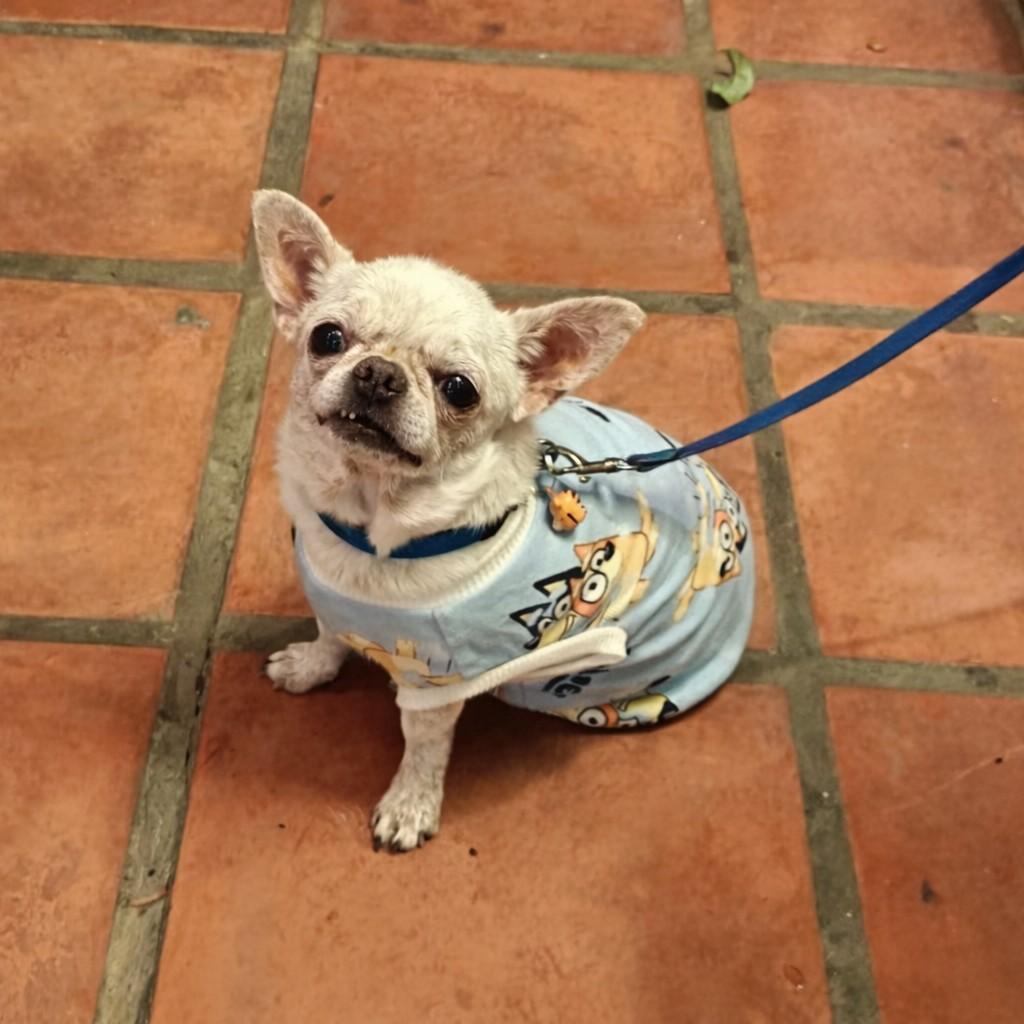
Watching pet dogs grow old is a bittersweet journey. One day, they are racing around the house with boundless energy, and before you know it, their muzzle turns grey, their steps slow down, and they seek comfort more than adventure. A geriatric dog—usually considered one who has entered the last third of their expected lifespan—needs special care, patience and understanding. Caring for a senior dog is not about “managing decline”; it’s about ensuring comfort, dignity and quality of life in their golden years.
Here’s a comprehensive, pet-parent-friendly guide to help you care for your geriatric dog with confidence and compassion.
1. How to know your dog has become old?
From birth till the end, ageing is a constant process, and the dog and its master both have to pass through stages of ageing. Your pet is fully dependent upon you; hence, I will talk about the ageing process and the care he needs in the twilight years of life. Just like humans, dogs age at different rates. Small breeds may not be considered geriatric until 10–12 years, while large breeds may enter seniorhood as early as 7–8 years.
Ageing brings natural changes
1: Reduced energy and stamina
2: Stiff joints or arthritis
3: Changes in vision and hearing
4: Slower metabolism
5: Increased risk of chronic illnesses
Recognising these changes early helps you adapt your care routine before problems become overwhelming.
2. Regular trips to your vet are a must
One of the most important steps in caring for a geriatric dog is frequent vet check-ups. Senior dogs should ideally see the vet every six months. Your veterinarian may recommend: Blood and urine tests to monitor kidney, liver, and thyroid function, dental examinations, blood pressure checks and screening for arthritis, heart disease, diabetes, or cancer. Early detection can dramatically improve outcomes. Subtle changes—like drinking more water, weight loss, or mild lethargy—can be signs of serious issues.
A small tip: Keep a small notebook or phone note with observations about appetite, behaviour, mobility, urination pattern and stools, to discuss with the vet.
3. Proper nutrition is vital
As dogs age, their nutritional needs change. A geriatric dog often requires fewer calories but higher-quality protein, easily digestible food, added joint-support supplements (like glucosamine and chondroitin) and Omega-3 fatty acids for brain, skin, and joint health. Some senior dogs lose appetite, while others gain weight due to reduced activity. Both situations need attention.
What you can do:
a: Switch to a vet-recommended senior diet
b: Divide meals into smaller, more frequent portions
c: Warm food slightly to enhance aroma for dogs with reduced smell
d: Ensure fresh water is always available
e: Avoid sudden diet changes and never add supplements without consulting your vet.
4. Managing joint pain and mobility issues
Arthritis is extremely common in geriatric dogs. You may notice difficulty getting up, reluctance to climb stairs or stiffness after rest.
Ways to help:
a: Provide soft, orthopaedic bedding
b: Use ramps instead of stairs for beds or cars
c: Keep nails trimmed to improve traction
d: Maintain a healthy weight to reduce joint strain
Your vet may prescribe pain management options, including medications, supplements, physiotherapy or even acupuncture. Never give human painkillers—they can be toxic to dogs.
5. Exercise is vital
Many pet parents assume old dogs don’t need exercise—but they absolutely do. The key is gentle, consistent activity.
Benefits of regular exercise:
a: Maintains muscle mass
b: Supports joint health
c: Improves digestion
d: Boosts mental well-being
Take your dog out on short, slow walks, rather than burdening him with a long, strenuous walk. Let your dog set the pace. Swimming, if your dog enjoys it, can be an excellent low-impact exercise. Considering the weather, it is often not possible to take your dog out frequently. From puppyhood, train him to walk with you inside the rooms. In case of rain or extremes of weather, your geriatric dog can continue to enjoy his walks, inside.
Always remember: A tired geriatric dog should rest happily—not limp in pain.
6. Mental stimulation keeps the brain young
Cognitive decline, similar to dementia in humans, can affect senior dogs. Signs may include:
a: Disorientation
b: Jump the house-training
c: Changes in sleep patterns
d: Increased anxiety or vocalisation
You can help by keeping your dog mentally engaged:
a: Use puzzle feeders
b: Teach simple, low-effort tricks
c: Maintain a predictable daily routine, this teaches him better bladder control
d: Spend quality one-on-one time
Mental enrichment is just as important as physical care.
7. Dental and grooming care
Dental disease is common in older dogs and can lead to pain, infection, and organ damage.
Dental care tips:
a: Brush teeth regularly with dog-safe toothpaste
b: Offer dental chews (approved by your vet)
c: Schedule professional cleanings when advised
Grooming also deserves extra attention. Older dogs may struggle to groom themselves.
a: Brush regularly to prevent mats
b: Keep the coat clean and dry
c: Check skin for lumps, sores or infections
d: Clean ears gently and monitor for hearing loss
8. Vision, hearing and sensory changes
Your geriatric dog may not see or hear as well as before. This can be frightening for it.
How to support:
a: Avoid rearranging furniture
b: Use verbal cues and gentle touch
c: Approach from the front to prevent startling
d: Use night lights for dogs with poor vision
Speak softly and reassuringly. Your presence becomes their greatest comfort.
9. Creating a senior-friendly home
Small adjustments at home can make a big difference:
a: Non-slip mats on slippery floors
b: Easy access to food, water and bedding
c: Warm, draft-free sleeping areas
d: Extra potty breaks to prevent accidents
If your dog has accidents indoors, remember—it’s often not disobedience but physical limitation. The bladder and the sphincter become too weak to work with perfection, as before. Therefore, you have to ensure that the accidents are minimised.
10. Emotional care: Love, patience, and presence
Perhaps the most important aspect of caring for a geriatric dog is emotional support. Older dogs may become clingy, anxious, or withdrawn. They rely on you more than ever. Spend time just being with them—gentle petting, talking softly, sitting together. These moments matter deeply. And when the time comes to make difficult decisions, remember: choosing comfort and dignity is the greatest act of love a pet parent can offer.
Final thoughts
Caring for a geriatric dog is a profound responsibility and a beautiful privilege. It asks for patience, attentiveness and a shift in expectations—but it gives back unconditional love, quiet companionship and deep emotional connection. Your dog has spent a lifetime being loyal to you. In its golden years, it deserves nothing less than your gentlest care, your deepest understanding and your unwavering love. At the onset, I compared the age of Tree Take with a geriatric dog. Mind you, a magazine is young at 11, hence no comparison is meant! ([email protected])



Leave a comment