

Vet’s Views
Dr Kaushlendra Kumar
The doctor has been practising in Lucknow for the past 20 years in canine and other pet animal medicine and surgery
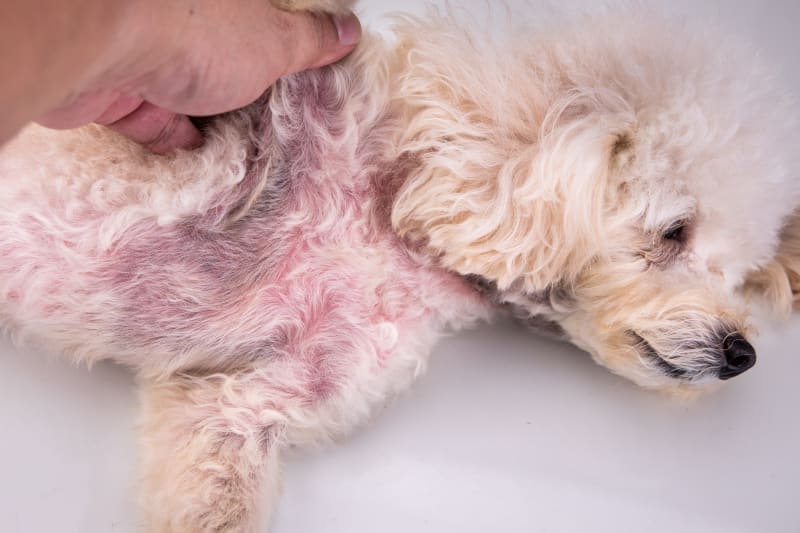
Q: Our 3-year-old Indie dog, Sheru, has recently started chewing and licking his front paws constantly until the skin is raw and red. We haven't changed his food or his bath routine, but the monsoon humidity has been intense lately. Could this be a sudden environmental allergy or a fungal issue, and what is the best way to soothe his skin?- Arjun Sharma
Environmental causes are one of the most prevalent causes of skin allergies. The environment outside the house as well as inside it. Moist houses cause fungal infections in pets. Sudden changes in the outside environment also cause allergies in the body. This rainy season favours many allergies and infections on the body. The best way to manage it is to keep the body dry by grooming and dusting with antifungal powder containing clotrimazole. Regular cleaning will reduce the chances of infections. Further antifungal drugs can also be taken from your vet.
Q: My senior Persian cat, Rani, has been drinking significantly more water than usual from her bowl and using her litter box much more frequently over the past month. Despite her increased appetite, she seems to be losing weight. Are these early warning signs of feline diabetes or kidney disease, and what diagnostic tests should we request at her next checkup? -Priya Nair
Yes, the signs and symptoms stated are indicators of some endocrinological diseases. Hormones play a vital role in our body's metabolism. Increases or decreases in hormones lead to these kinds of pathological symptoms. Increased thirst and appetite with weight loss can be an indicator of diabetes, hyperthyroidism or similar conditions. There are specific tests for all these problems. Blood/serum based tests and also strip tests specific for cats are available in the market, which can be availed through your vet. Quick diagnosis is very important. Otherwise, it leads to uncontrollable symptoms later on.
Q: We adopted a rescue rabbit named Golu three months ago. Lately, I've noticed his appetite for his daily dhaniya (coriander) and hay has dropped, and his droppings are much smaller than normal. I've read that digestive slowdowns can be dangerous for rabbits. How can we prevent GI stasis? -Rahul Verma.
Rabbits are primarily herbivores. Greens and hay are related to his natural digestive system. Why he is liking dhania could be because of the very soft leaves he likes to chew. In that condition, see that his teeth are in proper alignment. Abnormal growth will require rasping of the tooth under sedation. This could be the prime reason. Gut-related issues could be a worm load. Regular deworming is also very important. Use of pellet feeds is advised to maintain the balance of nutrition and gut flora.
Q: My 5-year-old Labrador, Bruno, has suddenly started panting heavily even when resting in an air-conditioned room, and he seems very reluctant to climb the stairs of our apartment building. Could this be an early sign of hip dysplasia or arthritis, and what joint supplements or lifestyle changes do you recommend? -Amit Patel
A five-year-old Labrador with heavy panting and inability to climb down the stairs may not have a joint problem. Additionally, if you see exercise intolerance on morning walks, then most likely it's a case of heart disease. Early symptoms of heart disease are like that only. You need to get a chest X-ray, echocardiography, and other blood tests to confirm cardiac issues. A joint problem at 5 years will not come suddenly unless he suffered the same at an early age in his life. Again, an X-ray will confirm whether it's a case of hip dysplasia or dislocation. In both cases, an X-ray is at least mandatory. No medication can be advised without diagnosis. You need to see whether your pet is obese or not. This will add to the pain, in both joint affection as well as heart issues.
Q: Our 8-year-old Pug, Chiku, has developed a harsh, hacking cough that sounds almost like a goose honk, especially when he gets excited before his evening walks or when it gets dusty outside. Is this likely a temporary throat irritation, or could it be a symptom of a collapsing trachea, which I hear is common in short-nosed breeds? -Deepika Rao
Pugs are brachycephalic dogs. Air passage is compromised. One at the level of the nose tip, then the mid-nasal passage, followed by the laryngeal level and finally to collapsing trachea. And at this age of 8 years, chest congestion or a related problem can most likely be observed. For collapsing trachea and thoracic problems, radiography is a very important factor to diagnose. You need to see the level of the epiglottis hanging over the opening of the trachea. If it is enlarged, surgery is advised to clear the obstructing pathway. Seasonal allergies are not very uncommon. But they will persist only for three to five days and generally get cured automatically because they are mostly viral in origin. The best advice is to visit your vet for proper consultation, where radiography, echo and blood tests are done. It can't be ignored.



Leave a comment