

Vet’s Views
Dr Kaushlendra Kumar
The doctor has been practising in Lucknow for the past 20 years in canine and other pet animal medicine and surgery
Q: My 2-year-old male Indie cat has been going to the litter box every 20 minutes, crying out, and only passing a few drops of urine. My family thinks he is constipated, but could this be a urinary blockage, and is it a medical emergency?— Rohan Deshmukh
Male cats face lots of problems related to urinary blockage, incontinence and infections, etc. This is primarily due to the type of nutrition you are providing to cats. The ratio of dry and wet meal initiates the main problem leading to irritation and minute calculi formation, and in many cases, infection also sets in. Immediate care is needed from an expert hand for catheterisation, followed by flushing the tube, placing the catheter for a few days and giving antibiotics for at least three days. The dry and wet food ratio should be balanced for all cats; otherwise, recurrence is very high in many cases.
Q: My 4-year-old Labrador Retriever recovered from tick fever (Ehrlichiosis) two months ago, but now his eyes look cloudy, and he is squinting in daylight. Can tick-borne diseases cause permanent eye damage? What should we do? — Ananya Iyer
One of the many symptoms of tick fever is clouding of eye/ cornea, called corneal opacity. It is a sequel to this infection, sometimes during the treatment or after the acute phase is over. Generally, tick fever subsides within 5 to 7 days with appropriate antibiotics, but the infection or the parasite does not get eliminated so easily. You need to get the full course of treatment for 21, 30 or 45-60 days, depending upon three negative samples of the blood showing no infection. If you leave the treatment in the acute phase, you are bound to get such symptoms. Other than corneal opacity, nose bleeding and lameness are also important symptoms. The elimination of infection and infestations of ticks from the body is equally important.
Q. Since the monsoon started, my 5-year-old Shih Tzu has been licking her paws raw and shaking her head constantly. Is this a simple seasonal allergy, or could it be a deep yeast infection caused by the humid weather? — Karan Malhotra
It can be an allergy case in the monsoon season. Due to humidity in the environment, the body receives droplets of water which irritates the body. Licking of paws starts in the morning when your dog returns from the morning job. Dogs pick up moisture very easily on walks. Primary management should be the immediate drying of your pet's paws and legs and applying some antifungal powder. Pets' shoes are also available at pet stores, so you can think of buying those also. This practice should come since the childhood/ puppy stage. Flapping of ears is also seen in dogs during this season. Any broad-spectrum ear drop containing lignocaine in addition can be applied twice a day just after drying the middle ears with dry sterilised cotton. This will help with allergies as well as fungal infections, which are very prevalent in the monsoon.
Q. My 11-year-old Indie dog struggles to stand up on our tiled floors in the morning, and his hind legs shake, but he still wants to go for walks. Is this just normal old age, or are there safe joint supplements or lifestyle changes that can help his arthritis? — Sneha Kulkarni
Old dogs do develop arthritis, lameness and luxation of joints. This is manifested by wear and tear of joint structures, ligaments and tendons. Ageing also initiates osteoporosis, together making a condition sometimes very bad for your pet. Neuromuscular weakness also adds to the problem. All these can be managed by giving geriatric food, joint supplements, viz chondroitin, glucosamine, collagen and many other supplements. This helps strengthen the joints and muscles. Calcium and vitamins B1 and B12 are also essential. It is also very important to provide proper flooring and bedding to your pooch.
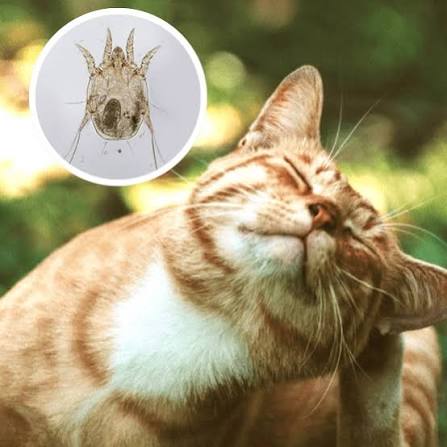
Q. My 7-month-old kitten was diagnosed with ear mites. We finished the topical drops from the vet, but she is still scratching her ears until they bleed. Could the mites be back, or did she develop a secondary bacterial ear infection? — Rahul Verma
Mite infestation is very common in cats. It starts at any age and is seen even in a two-month-old kitten. Tiny black or brown particles in the ear can be diagnosed under the microscope as ear mites. Treatment involves anti-mite spot-on and certain ear drops containing Ivermectin. It is true that these mites also invite infection. Initially, it is a bacterial infection followed by a fungal infection. Multi-spectrum ear drops and oral medication for anti -bacterial/fungal infection help alleviate these infections.



Leave a comment