

Know Your Pooch
VK Joshi
The writer is former director, GSI, and an avid animal lover. His understanding of man's best friend comes from over six decades of dedicated association with it
We read about the senses of hearing, smell and sight in dogs. Like us, they also have two more senses, the sense of touch and the sense of taste. The sense of touch develops in a dog the moment it comes into this world. His dam licks clean the caul and amazingly rolls the pup, while relentlessly licking the newborn. This action assures that after birth, anything stuck in his mouth is thrown out with a cough and also assures that the fur of the newborn remains undamaged from the chemical (burning) action of the afterbirth. One after another, she delivers some pups and repeats the process of cleaning for all the puppies and licks herself clean, too! But good breeders ensure that within 12 hours of the labour, the hind part of the dam is cleaned with a towel soaked in warm water and then dried thoroughly.
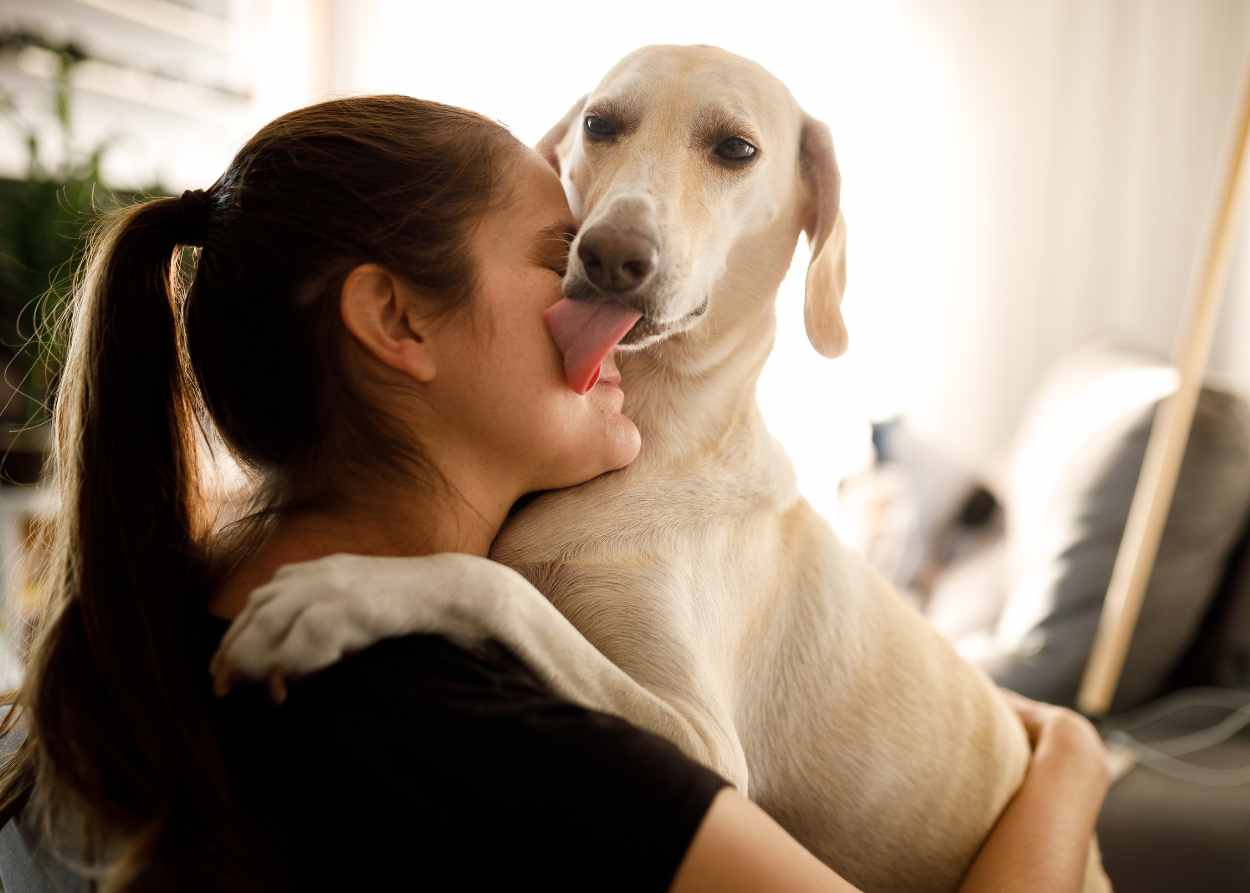
This ensures that the fur on her legs, too, remains undamaged. The licking spree thereafter continues day in and day out, till the puppies are around 18-days-old. They too cuddle around her and soon learn to lick each other and dam as well. This licking and cuddling is a part of the sense of touch. Soon, the time comes when you pick one of the pups from the litter and bring him home. If you are an experienced dog lover, you will hold the pup close to your body all through the journey and gently stroke his fur behind his ears, on his forehead and under his chin. In no time, the puppy understands that he is in the right hands and settles down with a groan. The adult-friendly dogs, when they meet for the first time, sniff at each other and then, as per the situation, lick each other. I have seen stray dogs in my lane make friends with a cow and cuddle with her during winters, often licking each other! This licking is nothing but a sense of touch assuring the other that all is well. It is also a part of the instinct of cleanliness.
Dogs love to be touched by their owners in reciprocation of their licking. The best way to make a dog enjoy the touch of your fingers is to touch your dog when he is having food. Some people are scared to touch their dog at that time. I agree; it can be risky. But if you start this process with your puppy from day one, he accepts your touch with pleasure, because he associates it with the food. The best way is to touch him from the forehead to the end of the tail and also scratch his neck and chin. This has to be a routine procedure, so that each time you make your puppy (that has grown into an adult) stand and touch him all over, he accepts it willingly. This, in turn, helps you to inspect him closely for external parasites, if any, and also to groom him. The sense of taste is not so well developed in dogs.
I am amazed when dog owners tell me that their dog likes sweets only from a particular shop! Dogs have no such fancy or taste. They are guided by the smell. The aroma of the food guides them. Though their brain is much smaller than ours, it has an area 40% larger that controls their sense of smell. In other words, the dog ‘tastes’ everything with his nose, rather than his tongue!
Often, people talk about the ESP (extrasensory perception) of their dog. They brag a lot about their pooch’s strong ESP. Well, I, too, have seen dogs displaying such powers in my own kennel, but I feel that the ESP they have is more due to their extrasensory powers of smell and sight. This ESP in dogs is more common between a dog in the house and its owner. The bunch of dogs on the street, whom you feed daily, may not have that kind of ESP! For example, people say that ‘my dog knows when I have a headache.’ Yes, he is bound to know because of his long association with you, and he can make out from your expression, body language and often voice that everything is not right. He may express it by fussing around you, trying to lick you or cuddling with you to make you comfortable. Studies on wild dogs, domestic dogs and dogs in shelters made by the researchers of the University of Florida found that domestic dogs display this trait maximally. Naturally, because a domestic dog is constantly with the owner and, with the passage of time, understands and analyses the owner’s pains/pleasure and feelings easily. The shelter dogs are confused because, before reaching the shelter, they pass through a variety of people. Some love them, while others kick them. They develop an ESP (if there is one) after spending a few months with a loving owner.
A dog has a strong sense of smell and sight to guess your pains and pleasures, but do you understand his? It is high time to think about how to communicate with your dog!



Leave a comment