

Know Your Pooch
VK Joshi
The writer is former director, GSI, and an avid animal lover. His understanding of man's best friend comes from over six decades of dedicated association with it
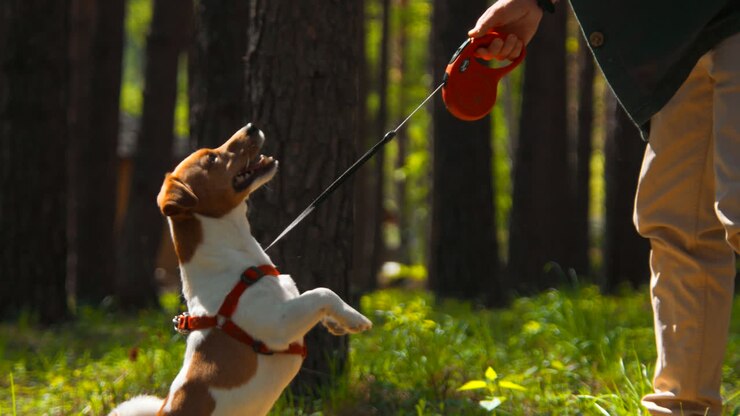
Walking your dog should be one of the happiest parts of the day, for both of you. But if your arm feels like it is being pulled out of its socket or your walk turns into a tug-of-war, teaching your dog to heel can completely change the experience, turning stressful walks into calm, enjoyable bonding time.
I’m writing this as a fellow pet parent, not a drill sergeant or a competition trainer. Heel training does not have to be rigid or intimidating. With patience, kindness and a pocketful of treats, you can teach your dog to walk politely by your side and actually enjoy doing it.
What ‘heel’ really means
When trainers say heel, they mean your dog walks right next to you, paying attention to your pace and direction. Traditionally, this is on the left side, with your dog’s shoulder roughly lined up with your leg. Heeling the leash makes the shape of the English alphabet ‘J’ between the collar of the dog and your hand. The important part of the ‘heel’ is that your dog stops when you stop, turns when you turn and does not drag you forward.
Now, let us be honest: your dog does not need to heel like a robot for the entire walk. That would be boring for both of you. Think of heel as a useful skill you can call on when you need it, crossing a road, walking through a crowd, visiting the vet or passing another dog. For the rest of the walk, a relaxed, loose-leash stroll with plenty of sniffing is perfectly fine.
Why I love teaching ‘heel’ (and you will too)
Teaching ‘heel’ is not just about good manners. It has some wonderful everyday benefits:
1- Safer walks: Your dog stays close instead of darting toward traffic, cyclists or surprises.
2- Less stress: Calm walks mean fewer frustrated moments for both of you.
3- Better connection: Your dog learns to check in with you and read your body language.
4- Confidence boost: Dogs feel more secure when they understand what you are asking.
5- Great foundation: ‘Heel’ makes future training, like recall or obedience, much easier.
Most importantly, it builds teamwork. Your dog is not being forced to behave; it is choosing to walk with you because it pays off.
When should you start?
You can start teaching ‘heel’ as soon as your dog is comfortable on a leash. Puppies can begin learning the basics in short, playful sessions. Older dogs can learn too, even if pulling has been a long-standing habit. I prefer to teach them to heel at the age of three months. That is before they develop the ‘bolt complex’ at the age of four months. If your dog gets very excited outdoors, do not worry. That is normal. Just start in a quiet place where your dog can focus and gradually work up to more distracting environments.
What you will need
Before you begin, gather a few simple things:
1- A comfy collar: Comfort matters. Training works best when your dog feels good.
2- A regular leash: About four to six feet long is ideal.
3- Tasty treats: Soft, pea-sized treats your dog really loves.
4- A calm space: Your living room, hallway or garden is perfect.
5- A positive mindset: Progress comes from consistency, not perfection. If you had had a tiff with your wife, forget the training part that day.
How to teach heel, step by step
Step 1: Find the Sweet Spot
Stand with your dog beside you on your chosen side (most people use the left).
Hold a treat near your leg at your dog’s nose level. When your dog lines up nicely next to you, say “yes!” or use a clicker, then give the treat. Do this a few times until your dog starts offering the position on his own.
Step 2: Take it one step at a time
Now take a single step forward. Use the treat to guide your dog so that it moves with you, while the leash makes a ‘J’, instead of rushing ahead. If he stays beside you, mark and reward right away. Slowly add more steps as your dog gets the idea. Keep sessions short—five minutes is plenty.
Step 3: Add the word ‘heel’
Once your dog is moving nicely with you, start saying ‘heel’ preceded by his name, just before you step forward. Over time, your dog will connect the word with the action. Try not to repeat the command. Say it once, then help your dog succeed.
Step 4: Practice stops and turns
Good heel work includes stopping and turning together. Stop suddenly and reward your dog for stopping with you instead of forging ahead. Practice gentle left and right turns, moving slowly at first. Your dog will learn to follow your body rather than just the leash.
Step 5: Ease off the treats
As your dog improves, start hiding the treats in your pocket and rewarding randomly instead of every step. Use praise, smiles and a happy voice. Dogs love that too.
Common mistakes (we’ve all made them)
If things feel hard, check for these common hiccups:
1- Training too long: Heel takes concentration. Short sessions work best.
2- Asking for too much too soon: Small wins add up.
3- Using leash corrections: Pulling or jerking just creates confusion.
4- Practising only on walks: Start indoors where success is easier.
Be kind to yourself. Training is a learning process for humans, too.
Taking ‘heel’ outside
When your dog is doing well indoors, head to the yard or a quiet street. Expect a little backsliding; that is normal. Increase rewards and lower expectations when distractions increase. Remember, your dog does not need to heel the entire walk. Ask for heel in short bursts, then release your dog to sniff and explore. This keeps heel special and fun.
If you hit a roadblock
1-Your dog keeps pulling: Stop walking. Reset and try again.
2- Your dog lags: Use more exciting treats and cheerful encouragement.
3- Your dog gets distracted: Go back to a quieter place and rebuild focus.
Every dog learns differently. Adjust the pace to suit your dog’s personality and energy level.
Final thoughts
Teaching your dog to heel is not about control but about cooperation. It is about learning to move through the world together with trust and understanding. With patience, positivity and lots of encouragement, heel training can turn everyday walks into something you both look forward to. And honestly, there is nothing better than strolling along with your dog happily trotting at your side, checking in with you like you are a team—because you are.



Leave a comment