

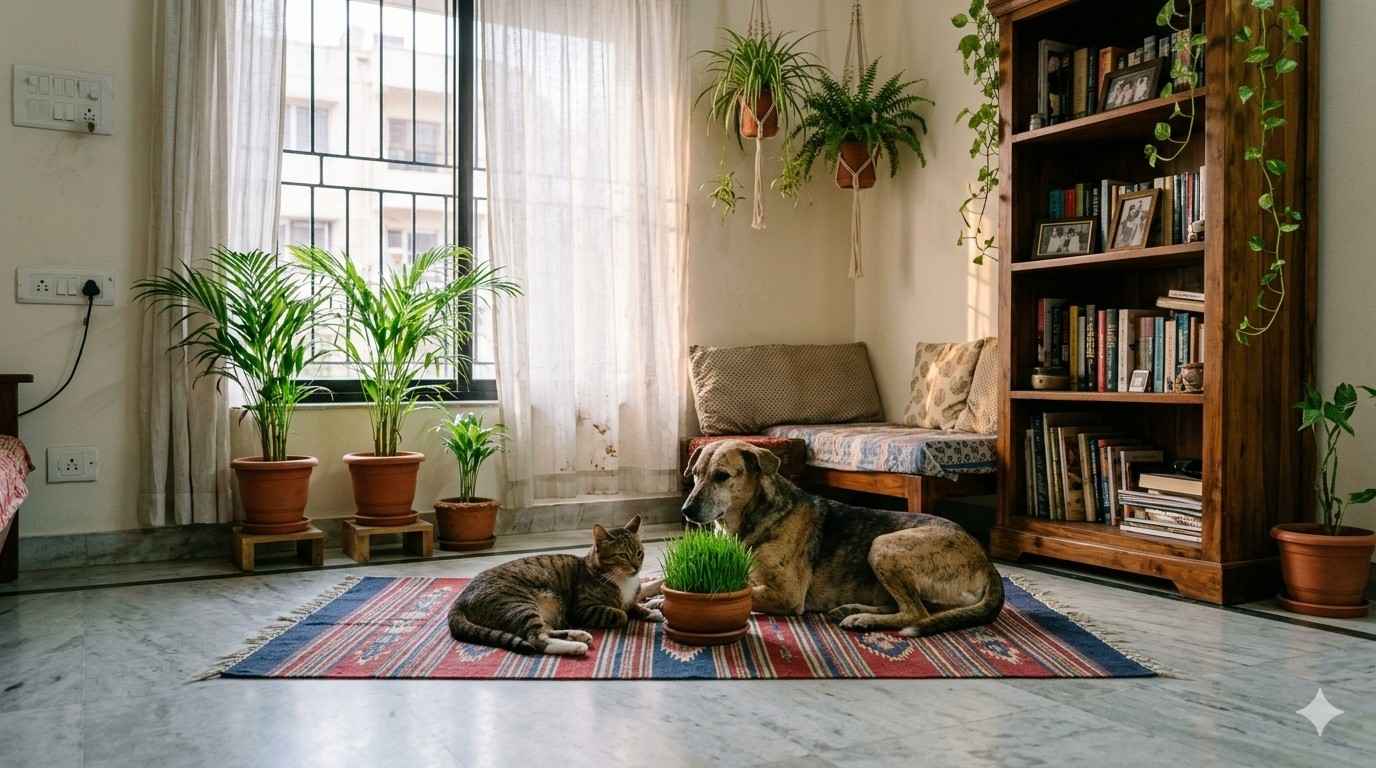
Plants & Pets
TreeTake Network
The modern residential interior is undergoing a profound ecological transformation as urban spaces shrink and the demand for natural wellness grows across the country. Homeowners are increasingly managing miniature indoor ecosystems comprised of two distinct, yet frequently conflicting elements: vibrant houseplants and domestic pets. This intersection of botany and animal behaviour has presented a complex challenge for urban residents striving to cultivate a lush indoor jungle while keeping their four-legged companions safe from toxic botanical hazards.
Experts in veterinary toxicology emphasise that while plants naturally employ chemical defences to survive in the wild, domestic dogs and cats lack the ancestral instincts required to differentiate between benign greenery and lethal foliage. Consequently, the responsibility of creating a harmonious, non-toxic living space falls squarely on human custodians, demanding a strict understanding of plant chemistry and strategic home architecture to prevent unnecessary trips to the emergency clinic.
Plant chemical defences pose invisible threats to roaming domestic animals
To build a safe indoor environment, residents must first identify the hidden chemical hazards prevalent in popular decorative plants. Many of the most visually striking species sold in commercial nurseries and local garden centres contain sophisticated defence mechanisms that can prove debilitating or fatal to curious animals.
A primary cause of emergency veterinary visits is the accidental ingestion of plants containing insoluble calcium oxalate crystals. Popular choices such as the Golden Pothos (commonly known as the Devil's Ivy or Money Plant), Peace Lilies, the ZZ Plant, and Dieffenbachia (Dumb Cane) are packed with these microscopic, needle-like structures. When an animal chews into the foliage, these crystals are forcefully embedded into the soft tissues of the mouth, tongue, and throat. The immediate clinical signs include intense localised burning, profuse salivation, severe swelling of the oral cavity, and acute difficulty in swallowing. In extreme cases involving Dieffenbachia, the swelling can restrict the animal's airway, transforming a minor curiosity into a life-threatening respiratory crisis that requires immediate medical intervention.
Beyond localised tissue irritation, other common houseplants contain systemic toxins that target vital internal organs. The Sago Palm, frequently selected for its rugged, architectural aesthetic, contains cycasin, a highly potent toxic compound. Every single part of the Sago Palm is poisonous, but the seeds hold the highest concentration of the toxin. Ingesting even a fraction of a seed can trigger acute, irreversible liver failure in dogs and cats, resulting in severe vomiting, internal bleeding, and neurological distress.
Similarly, true lilies—including Easter, Tiger, and Asiatic varieties—are exceptionally lethal to felines. A cat merely licking a few grains of pollen from its fur or drinking water from a vase holding these flowers can suffer sudden, fatal acute kidney failure within a matter of hours. Understanding these specific botanical profiles is critical for consumers evaluating risks before bringing new flora into their homes.
Diverse non-toxic plant species offer exceptional safety without sacrificing style
Cultivating a visually rich and biologically diverse interior does not require sacrificing plant variety altogether. The botanical kingdom offers numerous non-toxic options that thrive in typical indoor conditions, providing structural beauty and air-purifying benefits without risking animal welfare.
The Areca Palm (Dypsis lutescens) remains a premier recommendation for pet-safe households. Known for its soft, feathery, arching fronds, this palm introduces a tropical luxury to living spaces. It adapts efficiently to bright, indirect sunlight and serves as an effective natural humidifier. Because its foliage is entirely non-toxic to both dogs and cats, it provides complete peace of mind in households where playful animals are prone to swatting at dangling leaves.
Another highly resilient and versatile option is the Spider Plant (Chlorophytum comosum). Featuring long, slender, variegated green-and-white leaves that cascade over the edges of containers, the Spider Plant is celebrated for its ease of maintenance and excellent air-filtering capabilities. The species is known for producing tiny plantlets, or "spiderettes," that dangle from the main body, frequently drawing the attention of playful cats. Veterinary records confirm that even if animals consume these dangling offshoots, the plant poses no chemical danger.
For interior designs requiring intricate patterns and rich colour palettes, the Calathea family—including the Prayer Plant and Rattlesnake Plant—offers an excellent alternative. Calatheas are recognised for their striking, painted leaves featuring deep greens, creams, and rich purple undersides. They display nyctinastic behaviour, folding their leaves upward at night and unfolding them to meet the morning light, adding dynamic movement to the home environment without introducing toxic anxieties.
Furthermore, varieties such as the Boston Fern, the thick-leaved Baby Rubber Plant (Peperomia obtusifolia), the Ponytail Palm, and the architectural Pachira Money Tree offer extensive design possibilities. These options demonstrate that a pet-friendly home can remain as multi-layered, lush, and aesthetically sophisticated as any traditional botanical display.
Strategic vertical landscaping keeps vulnerable flora far beyond pet reach
Selecting non-toxic plants is only the first phase of managing a safe domestic ecosystem. The subsequent step involves spatial design and behavioural management. Even non-toxic plants can suffer severe structural damage from enthusiastic pets, and heavy clay pots can present physical hazards if overturned during active play.
Vertical zoning has emerged as an effective architectural strategy for establishing boundaries within a shared room. Utilising heavy-duty floating wall shelves, secure ceiling hooks, and elevated plant stands allows residents to display delicate or structurally vulnerable plants completely out of reach of domestic animals. Hanging planters filled with trailing, pet-safe varieties like the Wax Plant (Hoya carnosa) create visual depth while remaining inaccessible to roaming pets.
For floor-level displays, container material and stability are critical factors. Lightweight plastic pots are easily tipped over by a passing tail or a climbing animal, resulting in spilled soil, damaged roots, and domestic disruption. Upgrading to heavy ceramic, terracotta, or concrete planters provides a stable foundation that resists accidental displacement. Additionally, placing smooth, oversized river stones or heavy decorative rocks over the exposed soil at the base of large indoor plants acts as an effective deterrent against cats seeking an alternative litter box or dogs prone to digging up fresh earth.
Proactive habits and dedicated alternative grazing secure long-term household harmony
Long-term safety within a shared residential environment depends on consistent vigilance and proactive preventative measures. Veterinary and horticultural experts recommend a structured protocol whenever introducing a new animal or plant to the home.
First, consumers should systematically cross-reference every potential plant purchase with authoritative toxicological databases, such as the ASPCA Animal Poison Control Center guidelines. Shoppers are cautioned not to rely solely on generic plastic tags found at commercial retail nurseries, which often carry ambiguous or unverified labels like "Ornamental Foliage."
Second, owners must monitor the specific behavioural tendencies of their pets. While some animals remain completely indifferent to household greenery, others are habitual chewers driven by boredom, curiosity, or dietary instincts. Providing pets with their own dedicated green resources—such as a small tray of freshly grown organic wheatgrass, commonly marketed as "cat grass"—can successfully redirect natural foraging behaviours away from prized ornamental specimens.
Immediate first aid steps prevent severe complications during accidental ingestions
When a pet manages to bypass preventative design barriers and consumes a suspected toxic houseplant, swift and organised actions can drastically improve the clinical outcome. Owners must remain calm and prioritise direct stabilisation before pursuing professional veterinary care.
The first step requires the immediate removal of any remaining plant material from the pet's mouth to prevent further ingestion of toxins. If the animal is cooperative, the oral cavity should be gently rinsed with cool water to wash away loose plant tissues or irritating juices, paying careful attention not to force water down the throat.
Following the initial clean, the owner should immediately photograph the damaged plant and collect any coughed-up fragments, as accurate botanical identification is essential for targeted veterinary treatment. Contacting an emergency veterinary clinic or a designated animal poison hotline should occur instantly, providing details regarding the plant type, estimated time of consumption, and current symptoms. Under no circumstances should an owner attempt to induce vomiting at home unless explicitly instructed to do so by a qualified veterinary surgeon, as certain plant compounds can cause secondary chemical burns to the oesophagus upon regurgitation.
By treating modern living spaces as integrated, balanced ecosystems where both flora and fauna are afforded safe, specific conditions to thrive, urban residents can successfully navigate the intersection of nature and domestic life. This structured approach ensures that indoor environments remain spaces of health and biodiversity, proving that with scientific insight and intentional design, the natural world can be safely shared.



Leave a comment